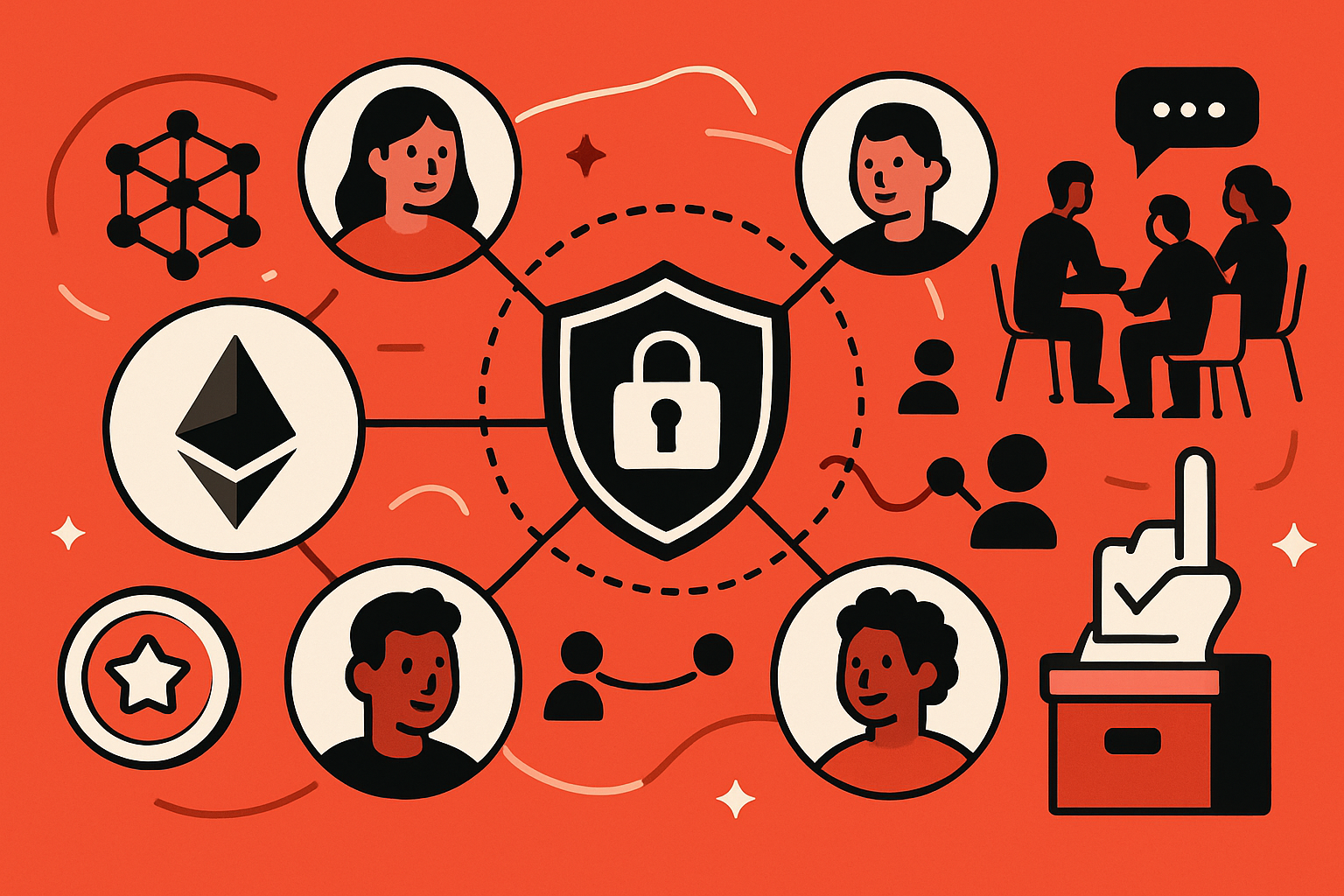
Ethereum’s journey toward mass adoption has been shaped by the search for scalability, but as the network grows, so do concerns around privacy. While Layer 2 solutions like Optimistic Rollups and sidechains have made strides in improving throughput and reducing fees, zk rollups are setting a new standard for privacy in the Ethereum ecosystem. By leveraging cryptographic techniques known as zero-knowledge proofs, zk rollups validate transactions off-chain without exposing sensitive data on the mainnet. This approach not only boosts scalability but also fundamentally changes how confidentiality is preserved on public blockchains.
Why Privacy Matters in Ethereum Layer 2
Public blockchains like Ethereum are transparent by design. Every transaction - sender, receiver, amount - is visible to anyone with a block explorer. For enterprises and individuals alike, this level of transparency can be a double-edged sword. Sensitive financial operations, payrolls, or strategic DeFi maneuvers become traceable and open to analysis. As decentralized finance (DeFi) matures and regulatory scrutiny increases, demand for Ethereum layer 2 privacy solutions has soared.
Zk rollups directly address these concerns by enabling confidential transactions. Using zero-knowledge proofs, zk rollups allow validators to confirm the validity of a batch of transactions without revealing any underlying details. This means that while the network remains secure and decentralized, users regain a crucial element: control over their financial privacy.
How ZK Rollups Achieve Confidentiality
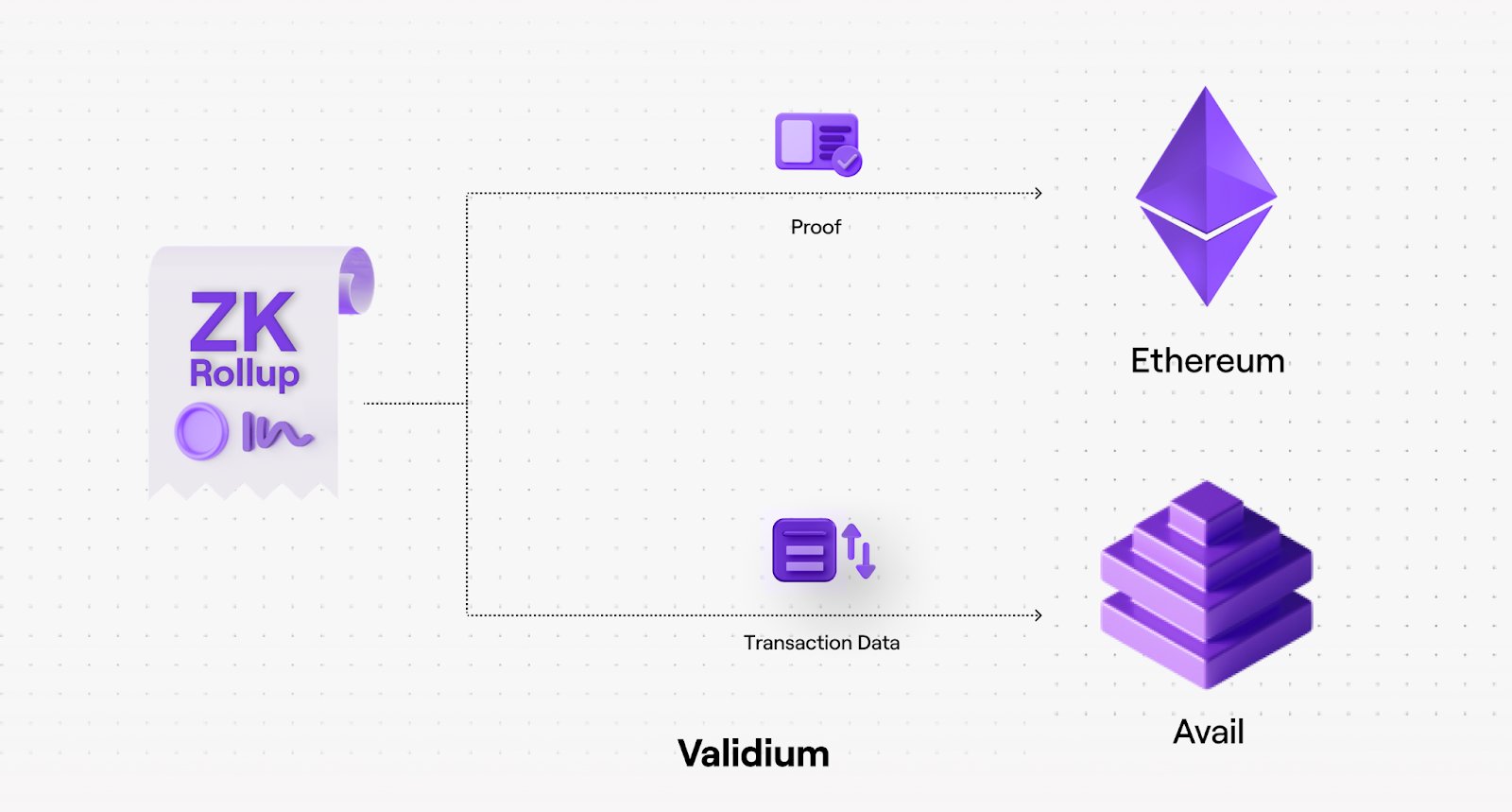
The core innovation behind zk rollups is the use of zero-knowledge proofs (ZKPs) - cryptographic methods that let one party prove to another that a statement is true without revealing any specifics about it. In practice, when you transact on a zk rollup-powered Layer 2 like Aztec Network or Scroll, your transaction’s details are processed off-chain and summarized into succinct cryptographic proofs.
Only these proofs - not individual transaction data - are posted back to Ethereum’s mainnet. As a result, outside observers cannot glean who sent what to whom or how much was transferred; all they see is that a valid state transition occurred. This architecture marks a substantial leap forward in zk rollups privacy, especially compared to other scaling solutions where transaction data remains visible even if processed off-chain.
ZK Rollup Use Cases: Private Payments and Beyond
The implications of confidential transactions via zk rollups go far beyond simple payments. Projects like Aztec Network have introduced private ERC-20 token transfers by default, allowing users to shield balances and send tokens discreetly. This opens up new possibilities for payroll processing within DAOs, private fundraising rounds for startups building on Ethereum, or even secure trading strategies for institutional DeFi participants.
However, it’s important to recognize that while zk rollups substantially increase privacy compared to traditional Layer 1 usage or other Layer 2s like Optimistic Rollups, they do not guarantee absolute anonymity. Certain metadata - such as timing or frequency of interactions with smart contracts - may still be observable at the protocol level. Users seeking complete anonymity should consider combining zk rollup solutions with additional privacy tools.
The Trade-Offs: Privacy vs Integration
Zk rollups aren’t without challenges. Their advanced cryptography introduces higher complexity for developers integrating existing dApps compared to more straightforward solutions like Optimistic Rollups. However, as tooling matures and user demand for confidentiality grows across sectors ranging from DeFi lending platforms to NFT marketplaces, it’s clear that zero-knowledge proofs blockchain technology will play an increasingly central role in Ethereum’s future.
As the Layer 2 landscape evolves, zk rollup use cases are expanding rapidly. Private decentralized exchanges (DEXs), confidential DeFi lending protocols, and even encrypted NFT transfers are emerging as practical applications. These solutions empower both individuals and institutions to transact with greater assurance that their strategies, holdings, and counterparty relationships remain shielded from public scrutiny. For enterprises, the ability to conduct on-chain audits without revealing sensitive business data is a game-changer for regulatory compliance and internal risk management.
Top zk Rollup Projects Enhancing Privacy in 2025
- Aztec Network: Renowned for its privacy-first approach, Aztec Network uses zkSNARKs to enable confidential transactions on Ethereum Layer 2, allowing users to shield and privately transfer ERC-20 tokens.
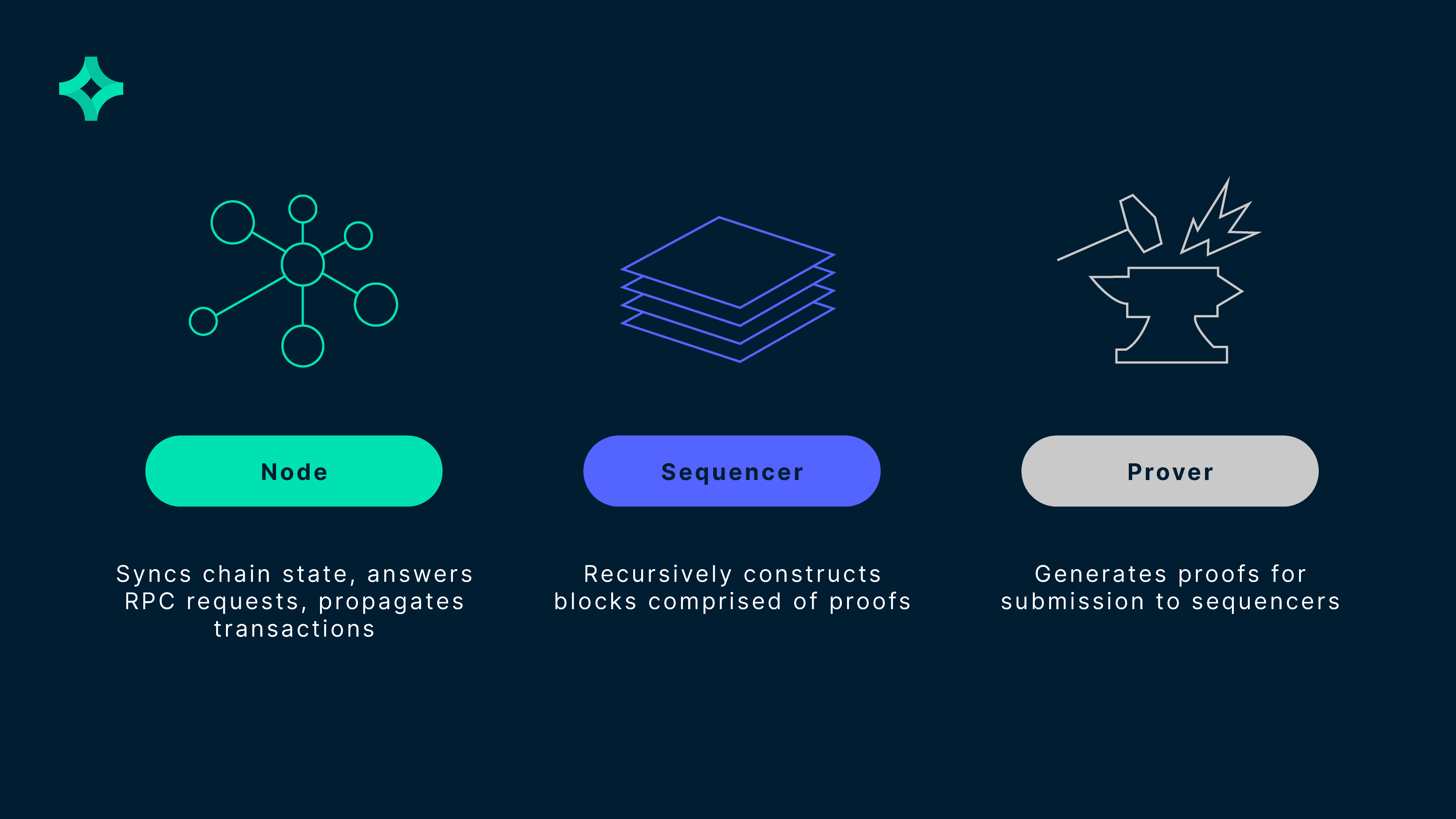
- zkSync: Developed by Matter Labs, zkSync leverages zero-knowledge proofs to offer fast, low-cost, and privacy-enhanced transactions, supporting both payments and smart contracts on Ethereum.
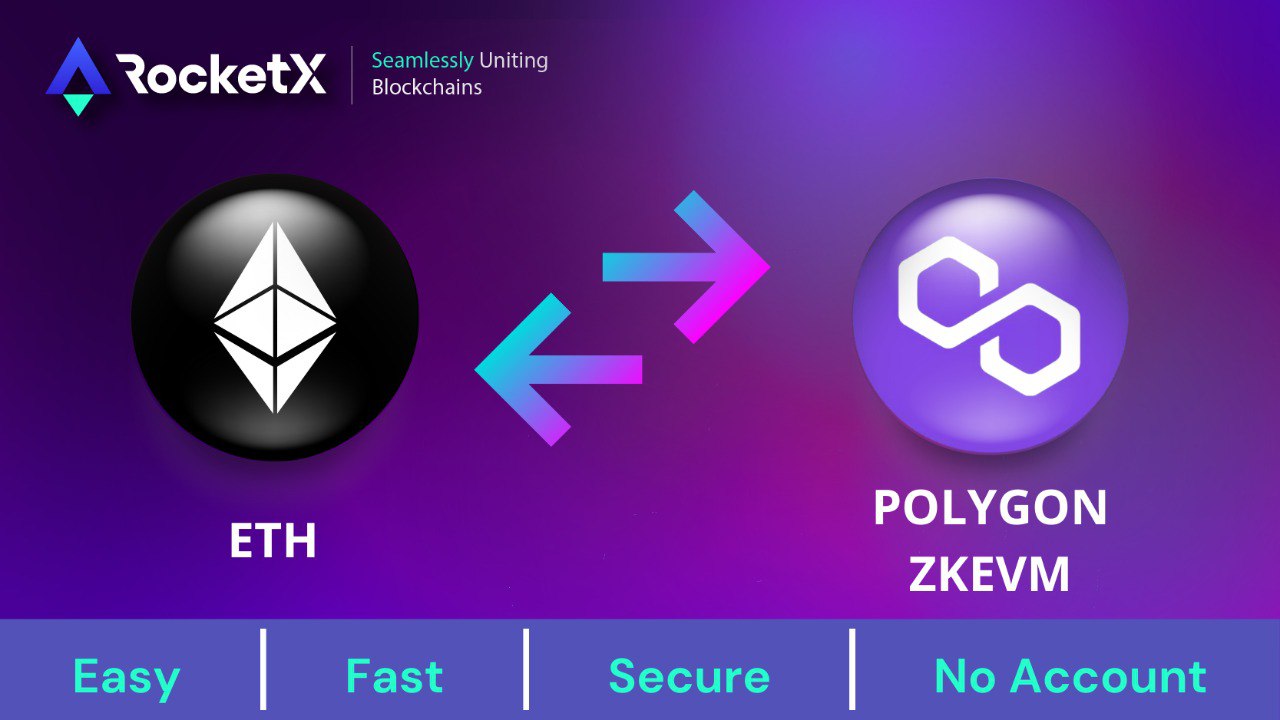
- Polygon zkEVM: A major initiative by Polygon, zkEVM integrates zero-knowledge proofs to provide Ethereum-compatible smart contracts with enhanced privacy and scalability, making it easier for developers to build secure dApps.
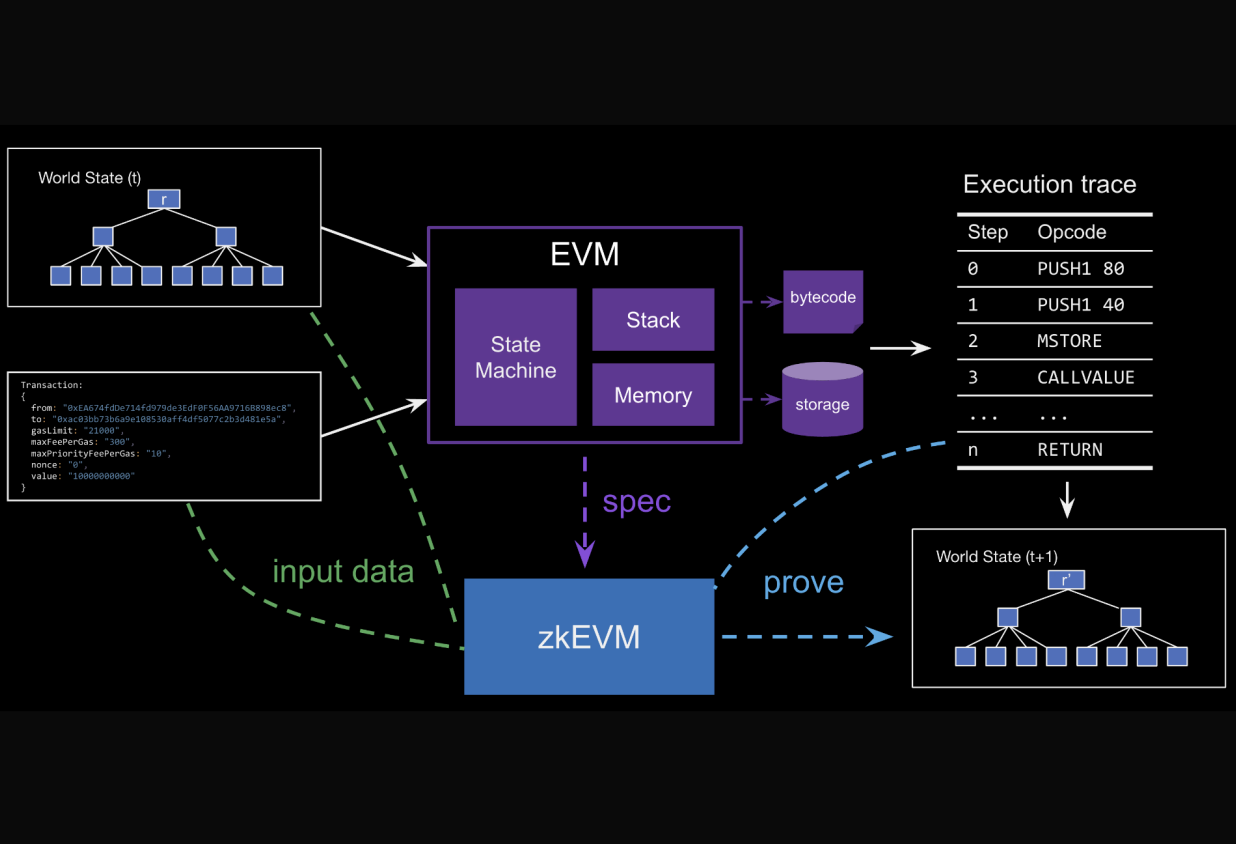
- Scroll: Scroll is a zkEVM-based rollup that focuses on privacy and scalability, aiming to deliver secure, private, and efficient Layer 2 solutions fully compatible with existing Ethereum applications.
- Linea: Backed by ConsenSys, Linea is a zkEVM rollup that enhances privacy and scalability for Ethereum users by utilizing advanced zero-knowledge proof technology.
The privacy guarantees of zk rollups have also sparked renewed interest from sectors previously hesitant about blockchain transparency, such as healthcare, payroll, and supply chain management. By enabling confidential transactions zk rollups, these industries can leverage Ethereum’s security and programmability while maintaining compliance with privacy regulations.
Limitations and the Path Forward
Despite their promise, zk rollups face certain limitations. The computational cost of generating zero-knowledge proofs remains significant, though ongoing research is rapidly reducing barriers. Interoperability between different zk rollup implementations is still in its infancy, which can fragment liquidity or complicate cross-rollup asset transfers. Additionally, while transaction content is concealed, on-chain metadata like gas usage or contract calls might still leak patterns susceptible to analysis.
That said, the pace of innovation is brisk. Newer recursive proof systems and hardware acceleration are making private transactions faster and more affordable. The Ethereum community continues to refine standards for secure bridges between rollups and mainnet, aiming for seamless user experiences without compromising on Ethereum layer 2 privacy.
What’s Next for Privacy on Ethereum?
The next wave of development will likely focus on composable privacy, allowing users to interact with multiple dApps privately within a single ecosystem. Projects integrating zk rollups with advanced identity solutions or encrypted messaging protocols could further enhance confidentiality across all aspects of decentralized life.
If you’re building or investing in Ethereum’s future, now is the time to monitor how zk rollups privacy features are being implemented across wallets, DEXs, DeFi platforms, and NFT marketplaces. The interplay between scalability, security, and confidentiality will define the next era of blockchain adoption, and zero-knowledge technology sits at its core.



No comments yet. Be the first to share your thoughts!