In 2024, zero-knowledge (zk) rollups have become a cornerstone of privacy innovation for decentralized finance (DeFi) applications. As DeFi adoption accelerates, the need for confidential transactions and data protection is more urgent than ever. Zk rollups answer this demand by leveraging advanced cryptography to validate transactions without exposing sensitive user information, fundamentally reshaping how privacy is achieved on public blockchains.
How zk Rollups Shield DeFi Transactions
Zk rollups operate by aggregating hundreds or even thousands of transactions off-chain and generating a succinct proof, typically a zk-SNARK or zk-STARK, that attests to the validity of all batched transactions. Only this cryptographic proof is posted to the main blockchain, not the granular transaction data. As a result, details such as sender and receiver addresses, transferred amounts, and transaction metadata remain confidential.
This method offers two primary advantages: scalability and privacy. The main chain verifies only the proof rather than every individual transaction, boosting throughput while keeping user activity hidden from prying eyes. For DeFi users concerned about surveillance or data leaks, zk rollups provide a practical path to true transactional confidentiality.
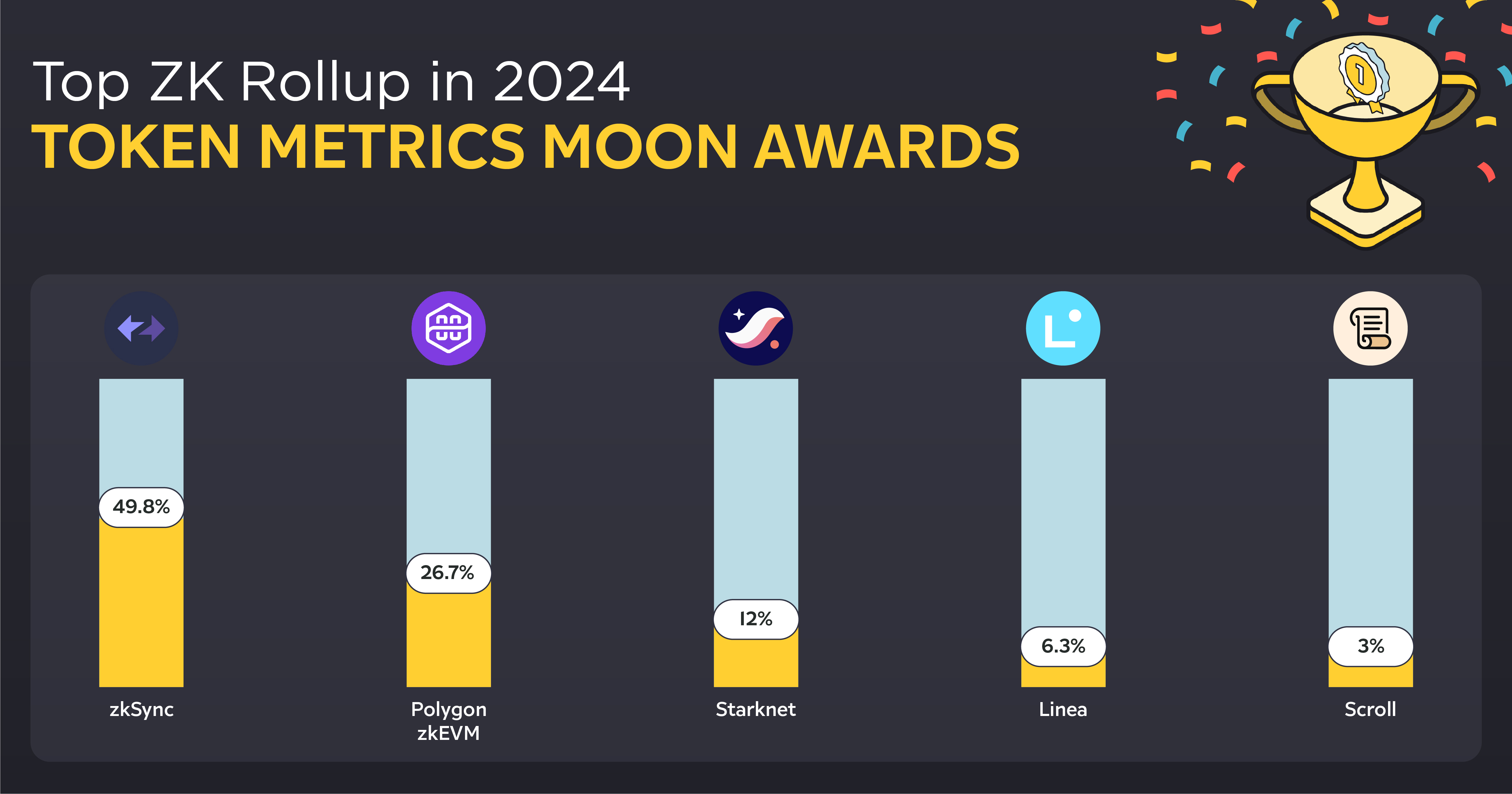
Leading zk Rollup Projects Driving Privacy in 2024
The competitive landscape in 2024 is defined by several top-tier zk rollup platforms that have prioritized privacy within their protocols:
Top zk Rollup Projects Enhancing DeFi Privacy in 2024
- zkSync: Developed by Matter Labs, zkSync is a leading zk rollup solution focused on scalable and privacy-preserving transactions. It leverages zk-SNARKs to validate transactions without revealing details, ensuring user confidentiality on DeFi platforms.
- Polygon zkEVM: Polygon’s zkEVM combines Ethereum compatibility with zero-knowledge proof privacy. It allows DeFi applications to run private, verifiable smart contracts, safeguarding sensitive transaction data from public exposure.
- Starknet: Created by StarkWare, Starknet utilizes zk-STARKs for scalable, transparent, and privacy-focused DeFi operations. Its cryptographic proofs enable transaction validation without disclosing user or transaction specifics.
- Linea: Linea, developed by ConsenSys, is a zkEVM rollup that emphasizes privacy and Ethereum compatibility. It enables confidential DeFi transactions by anchoring only proof data on-chain, not transaction details.
- Scroll: Scroll is a zk rollup project offering privacy-centric scaling for DeFi. By batching transactions off-chain and submitting only zero-knowledge proofs to Ethereum, Scroll enhances user anonymity and data protection.
Starknet, zkSync, Polygon zkEVM, Linea, and Scroll are at the forefront, each integrating zero-knowledge proofs to secure user data while maintaining high performance. Notably, Manta Network has carved out a niche by specializing in confidential DeFi swaps using zk-SNARKs. These networks enable users to trade assets or interact with smart contracts without revealing their identities or transaction details, an essential feature as regulatory scrutiny increases globally.
The Mechanics of Privacy: Zero-Knowledge Proofs Explained
At the heart of every zk rollup is the zero-knowledge proof, a cryptographic technique that allows one party to prove knowledge of certain information without revealing that information itself. In practice, this means validators can confirm that all rules (such as balance checks and contract logic) are followed within a batch of DeFi transactions without ever exposing who sent what to whom.
This not only secures personal financial activity but also helps prevent front-running attacks, a chronic issue where malicious actors exploit visible pending transactions for profit. By keeping pending trades private until finalization, zk rollups significantly reduce opportunities for market manipulation within DeFi protocols.
Real-World Impact: Use Cases Expanding Beyond Trading
The benefits of zk scaling solutions extend far past simple token swaps. In 2024, DeFi applications are employing these technologies for:
- Privacy-preserving identity verification: Users can prove eligibility or ownership without disclosing personal details.
- Confidential lending and borrowing: Loan amounts and counterparties remain hidden from public view.
- NFT minting and trading: Sensitive creator or collector information stays protected during transfers.
This evolution is transforming how both retail investors and institutions approach decentralized markets, confidentiality is no longer just an add-on but an expectation.
Privacy, however, is only as strong as the technology and governance behind it. In 2024, zk rollup projects are not just competing on throughput but also on the robustness of their privacy frameworks and their ability to adapt to evolving regulatory and user demands. Integrations with privacy-preserving identity solutions are now commonplace, allowing users to prove eligibility for DeFi services without revealing sensitive personal data. This is particularly relevant for institutions entering the space, who demand both compliance and confidentiality.
Challenges and Considerations for zk Rollups in DeFi
Despite their promise, zk rollups are not a panacea. There are still open questions around data availability, trusted setup procedures (especially for zk-SNARK-based systems), and the complexity of integrating zero-knowledge proofs into existing DeFi architectures. Moreover, while privacy is enhanced at the protocol level, user endpoints such as wallets or dApps may remain vulnerable if not properly secured.
For developers and investors, understanding these nuances is critical. Security audits remain essential, especially as new zk rollup protocols race to market with innovative but untested features. The community must also remain vigilant about potential centralization risks in sequencer or prover infrastructure that could undermine both privacy and censorship resistance.
The Road Ahead: Privacy as a Foundation for DeFi Growth
The adoption of zk rollups in 2024 signals a shift: privacy is no longer optional. As more users demand confidential DeFi transactions, platforms that fail to integrate robust zero-knowledge solutions risk being left behind. This has spurred rapid innovation among leading projects:
How Leading ZK Rollups Tackle DeFi Privacy in 2024
- zkSync: Utilizes advanced zk-SNARKs to validate transactions without revealing user data, ensuring that sender, receiver, and transaction amounts remain confidential. zkSync's privacy features are integrated directly into its DeFi protocols, reducing the risk of data exposure.
- Polygon zkEVM: Implements zero-knowledge proofs within a fully EVM-compatible environment, allowing existing DeFi apps to adopt privacy-preserving transactions seamlessly. Polygon zkEVM enables private identity verification and transaction confidentiality without sacrificing composability.
- Starknet: Leverages STARKs (Scalable Transparent Arguments of Knowledge) to provide scalable and transparent privacy solutions. Starknet's architecture minimizes on-chain data exposure and protects sensitive DeFi transaction details from public view.
- Linea: Focuses on privacy-centric rollups by integrating zero-knowledge proofs that shield transaction metadata from public access. Linea's approach helps prevent front-running and ensures user confidentiality in DeFi operations.
- Scroll: Offers privacy-first zk rollups that aggregate transactions off-chain and submit only succinct proofs to Ethereum. This model preserves user anonymity and keeps sensitive DeFi transaction information secure.
- Manta Network: Specializes in privacy for DeFi transactions by using zk-SNARKs to conceal transaction details. Manta Network enables confidential swaps and transfers, ensuring that all DeFi activities are conducted with full privacy protection.
Looking ahead, expect further convergence between privacy technologies and compliance tools. Privacy-preserving analytics are emerging to provide regulators with necessary oversight without compromising individual confidentiality, a delicate balance that will define the next stage of DeFi’s evolution.
For those building or investing in decentralized finance today, mastering the mechanics of zk rollups privacy DeFi is essential. The future will favor protocols that can guarantee both speed and secrecy at scale.
"Zk rollups are transforming what’s possible in decentralized finance, privacy isn’t just a feature anymore; it’s an expectation. "
If you’re interested in deeper technical details or want to compare leading solutions side by side, see our comprehensive analysis at How zk Rollups Enable Scalable and Private DeFi Applications in 2024.


No comments yet. Be the first to share your thoughts!