
When you initiate a withdrawal from a ZK rollup like zkSync, expecting funds to hit your Ethereum wallet in minutes feels natural after the lightning-fast Layer 2 transactions. Yet, reality hits with a 2-3 hour wait. This zk rollup withdrawal delay isn't a flaw; it's a deliberate design balancing scalability, security, and cryptographic rigor. As someone who's managed risks in volatile crypto portfolios for a decade, I see this as a pragmatic shield against catastrophe, not an inconvenience.
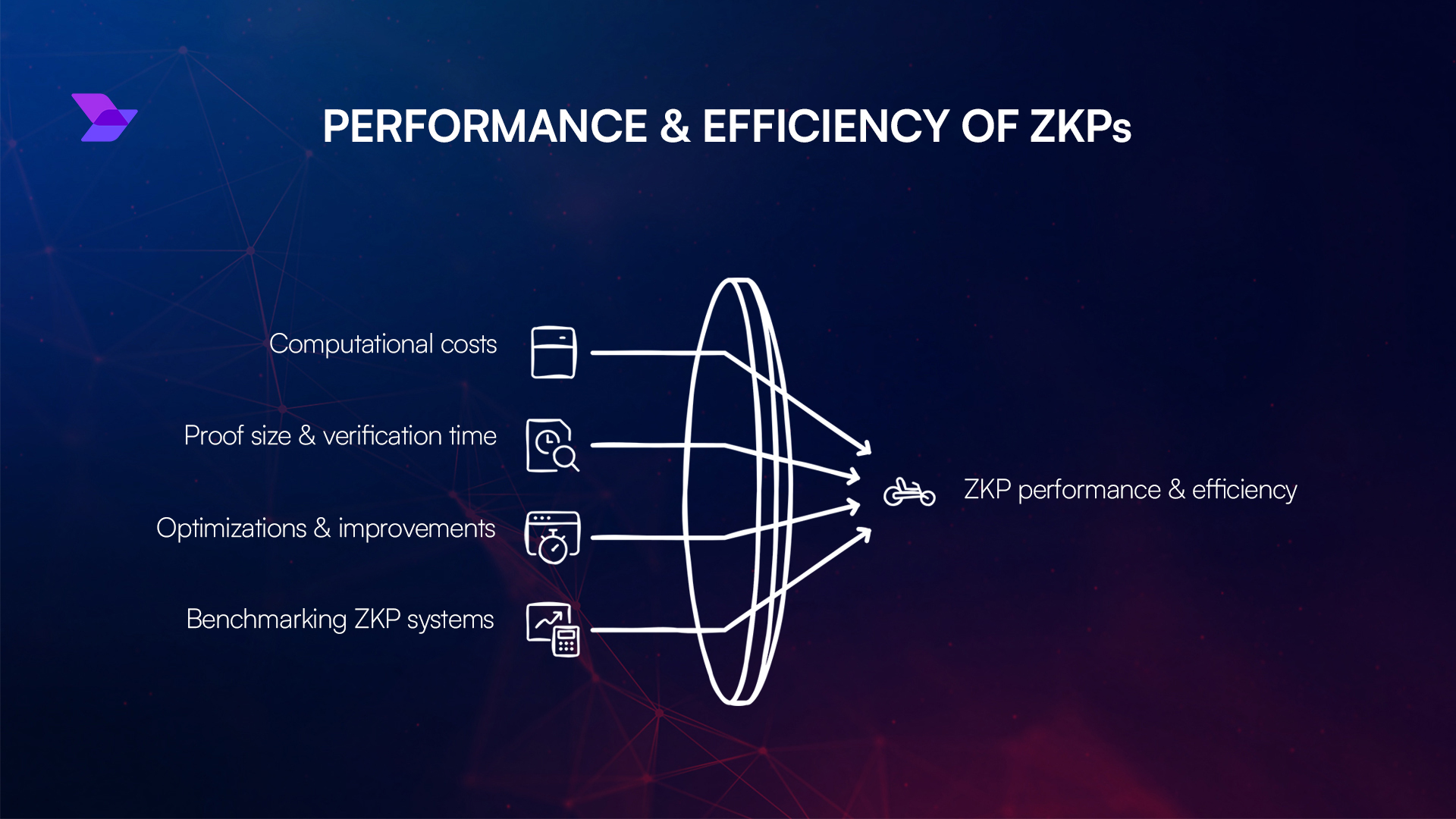
ZK rollups like zkSync aggregate hundreds of transactions off-chain, bundling them into succinct proofs submitted to Ethereum. This slashes fees and boosts throughput, but withdrawals demand full L1 finality. Users often overlook the zk proof generation pipeline, a computationally heavy lift that verifies batch validity without re-executing every transaction. Ethereum L1 finality zk alignment ensures your funds are ironclad, but it introduces that familiar pause.
How zkSync Batches Transactions Before Proof Submission
Every withdrawal starts on zkSync Era, where transactions zip through at sub-second speeds. Operators collect these into batches every few minutes, committing a lightweight state root to Ethereum via the Priority Queue. This commitment is fast, but it's just the appetizer. The main course is generating a SNARK proof, a zero-knowledge succinct non-interactive argument of knowledge, that mathematically proves the batch executed correctly.
Why state diffs? As noted in recent analyses of ZK-rollups, zkSync and Starknet favor them for efficiency over full state snapshots used by Polygon zkEVM or Scroll. This cuts proof time but demands precision. In practice, batch formation takes minutes, yet the proof itself chews through GPU clusters for about an hour, per Messari reports. It's not idling; it's forging cryptographic steel.
Comparison of ZK Rollup Proof Methods
| Rollup | Method | Avg Proof Time |
|---|---|---|
| zkSync | State Diffs | ~1 hour |
| Starknet | State Diffs | ~45 min |
| Polygon zkEVM | Full State | 1-2 hours |
| Scroll | Full State | ~90 min |
From a risk lens, this pipeline minimizes exposure. Rapid withdrawals could amplify exploits, draining billions if a bug slips through. zkSync's approach, while slower than Plasma's instant outs, trumps optimistic rollups' week-long challenges.
Unpacking the Proof Generation Bottleneck
Dive deeper into the zk proof generation pipeline: Post-commitment, provers crunch the batch using zkEVM circuits tailored for Ethereum compatibility. zkSync's custom circuits optimize for speed, yet SNARK recursion adds layers, proving the prover, if you will. Verification on L1 is swift, mere seconds, as Ethereum nodes check the proof against public inputs.
Batch finalization follows, marking transactions as canonical. Total proof round-trip: roughly 1-2 hours. But here's the pragmatic truth: Hardware limits this. Even with advancements, generating proofs for thousands of state transitions isn't trivial. Proposals like ZIP-2 highlight community pushback, aiming to trim excesses without slashing safety nets.
Investors I've advised often chafe at zk rollups slow withdrawals, but compare to Starknet's similar timelines or Linea’s. It's the ecosystem norm, aligning with Ethereum's ~12-minute block finality amplified by rollup ops. Speed tweaks are coming, zkSync docs eye sub-hour proofs via better hardware, but security dictates pace.
The Security Timelock: Guarding Against Drains
Proofs alone don't explain the full 2-3 hour zksync withdrawal time. Enter the execution delay, a timelock on L2 blocks post-L1 commitment. zkSync introduced this to thwart rapid protocol drains from bugs, allowing monitors to spot anomalies like massive outflows.
Initially 21 hours, community governance via ZIPs slashed it to 3 hours minimum, per ZK Nation forums. This ethereum l1 finality zk sync ensures withdrawals finalize only after vigilant review. It's not paranoia; it's protocol hygiene. In my FRM practice, I'd call it a volatility damper, better a short wait than a total wipeout.
This delay, combined with proofing, caps user experience at 2-3 hours. Yet, for risk-aware portfolios, it's a feature. Optimistic rollups wait 7 days for disputes; ZK's validity proofs skip that, trading compute for immediacy gains elsewhere.
Users bridging assets back to Ethereum can bridge this gap with proactive monitoring. Tools like zkSync's block explorer or Etherscan let you track batch commitments and proof statuses in real time, turning uncertainty into visibility. In my risk frameworks, anticipation beats reaction; set alerts for proof submission to align expectations.
Optimizing Around zkSync Withdrawal Time
The zksync withdrawal time feels elongated against L2's speed, but layered strategies mitigate it. First, batch your withdrawals: Operators commit periodically, so timing requests near batch windows shaves minutes. Second, leverage instant withdrawals for supported assets via liquidity providers, though at a premium. These hybrids cut delays to under an hour, ideal for urgent needs in volatile markets.
From a portfolio standpoint, treat rollups as tiered liquidity. Keep hot wallets on L2 for daily ops, but park bulk holdings post-withdrawal on L1 custodians until proven secure. This mirrors my bond laddering tactics, distributing exposure across maturities. No single delay derails the whole stack.
Withdrawal Strategies for ZK Rollups
| Strategy | Delay Reduction | Risk Tradeoff |
|---|---|---|
| Batch Timing | 10-20 min | None |
| Liquidity Providers | Up to 2 hours | Small fee/premium |
| L1 Parking Post-Withdrawal | Full security | Opportunity cost |
DeFi protocols are adapting too. Bridges like Across or Hop offer sub-minute L2-to-L2 hops, chaining to zkSync for hybrid speed. Yet, for pure L1 exits, the proof pipeline remains king. Investors querying my advice often pivot to multi-rollup exposure, diversifying delays as they do assets.
Hardware and Protocol Upgrades Ahead
Relief is brewing. zkSync's ZIP-2 slashed the timelock from 21 to 3 hours, and ZIP-4 eyes further compression via guardian nodes for automated anomaly detection. Hardware leaps matter most: GPU prover farms scale with NVIDIA's H100 clusters, potentially halving proof gen to 30 minutes. Starknet's Boojum prover already clocks sub-hour marks; zkSync trails but closes fast.
Recursion advancements, like those in Polygon Miden, promise nested proofs for exponential efficiency. Ethereum's Prague upgrade could slash L1 verification gas, tightening the loop. By mid-2026, expect 1-hour norms across zkEVMs, per arXiv surveys on constraint designs. Until then, the current setup enforces discipline, weeding impatience from serious players.
Critics decry zk rollups slow withdrawals as UX killers, but data disagrees. zkSync Era processes 2,000 and TPS at $0.01 fees, dwarfing L1's crawl. Withdrawals are edge cases; 90% activity stays L2-bound. For the rest, security trumps speed, echoing Plasma's faded promises of instant outs undone by data unavailability.
Stakeholders pushing boundaries, from EF research AMAs to ZK Nation forums, underscore a maturing ecosystem. Execution sharding debates highlight rollups' edge in programmability, but withdrawals unify the scalability story. As Ethereum finality aligns tighter, these delays fade into footnotes.
Patience here builds resilience. In crypto's wild swings, a 2-3 hour buffer has saved more portfolios than it slowed. Scale with safeguards, and growth compounds securely. Check deeper dives on fixes ahead at our withdrawal delays guide.



No comments yet. Be the first to share your thoughts!