Why ZK rollups lead scaling in 2026
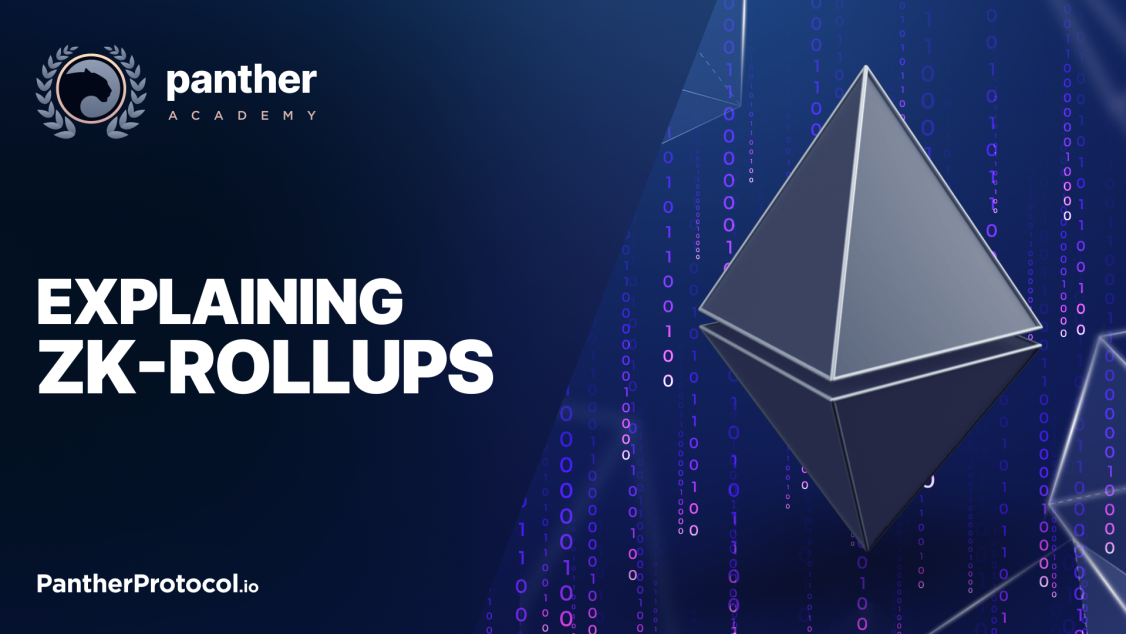
Zero-knowledge rollups have emerged as the dominant scaling narrative for 2026, driven by their ability to provide immediate cryptographic finality. Unlike optimistic rollups, which assume transactions are valid and rely on a seven-day challenge window to catch fraud, ZK rollups prove validity upfront. This fundamental difference in architecture shifts the tradeoff from latency to computational complexity, favoring ZK solutions for applications requiring near-instant settlement.
The core mechanism involves batching thousands of transactions off-chain and submitting a single, compact cryptographic proof to Ethereum mainnet. This proof verifies the entire batch's validity without revealing the underlying data. As soon as the Ethereum network verifies the proof, the state is final. This stands in stark contrast to the optimistic model, where users must wait through the dispute period before their funds are truly secure. For high-stakes DeFi protocols and institutional players, this reduction in time-to-finality from weeks to minutes is a critical infrastructure upgrade.
This architectural advantage positions ZK rollups as the preferred solution for scaling Ethereum in 2026. The market is increasingly aligning with this technical reality, as capital flows toward networks that offer both high throughput and immediate certainty. The following chart illustrates the market context for this shift, reflecting Ethereum's broader ecosystem health as Layer 2 adoption accelerates.
While optimistic rollups remain viable for use cases where latency is less critical, the cryptographic guarantee of ZK rollups offers a superior risk profile. As proof generation costs continue to decrease and verification speeds improve, the gap between the two models is widening. ZK rollups are not just a scaling alternative; they are becoming the standard for secure, efficient blockchain settlement.
zkSync Era and Polygon zkEVM Architecture
zkSync Era and Polygon zkEVM represent the current maturity of EVM-compatible zero-knowledge scaling. Both networks bundle thousands of transactions off-chain, submitting cryptographic validity proofs to Ethereum mainnet to finalize state. This architecture reduces gas fees by up to 99% while maintaining full compatibility with existing Ethereum development tools and smart contracts.
The primary distinction lies in their verification mechanisms. zkSync Era utilizes a custom EVM (zkEVM) that compiles Solidity into a STARK-friendly format, offering high throughput for complex DeFi operations. Polygon zkEVM, by contrast, is a Type-2 EVM-equivalent solution that mirrors the Ethereum Virtual Machine more closely, simplifying the migration of existing enterprise dApps with minimal code refactoring. Both networks have secured significant institutional adoption, with Polygon and zkSync cited among the rollups with the most enterprise integrations in 2026.
| Feature | zkSync Era | Polygon zkEVM |
|---|---|---|
| EVM Compatibility | Custom zkEVM (highly optimized) | Type-2 EVM-equivalent |
| Finality Speed | ~10-15 minutes | ~20-30 minutes |
| Primary Use Case | High-throughput DeFi & Gaming | Enterprise dApp Migration |
| Proof System | STARKs | Plonk/KZG |
The choice between these two often depends on the specific needs of the application. Developers prioritizing maximum throughput for high-frequency trading or gaming may prefer zkSync Era’s custom architecture. Teams focused on seamless migration of existing Ethereum infrastructure without deep rewrites often find Polygon zkEVM’s Type-2 equivalence more suitable. Both solutions are critical components of the Ethereum scaling landscape, providing the security guarantees of Layer 1 with the efficiency of Layer 2.
Starknet and High-Performance Alternatives
While Ethereum’s dominant Layer 2 solutions rely on the EVM, a parallel track of non-EVM ZK rollups is pursuing higher throughput and post-quantum security. Starknet leads this charge, utilizing STARKs (Scalable Transparent Arguments of Knowledge) instead of traditional SNARKs. This architectural choice eliminates the need for a trusted setup, meaning no single entity can generate a fraudulent proof. For institutions managing high-stakes capital, this trustless guarantee is a significant risk mitigation factor compared to systems requiring periodic key ceremonies.
STARKs also scale more efficiently with transaction volume. As the number of transactions increases, the proof size grows logarithmically rather than linearly. This allows Starknet to process significantly more transactions per second than EVM-based rollups, making it suitable for high-frequency trading and complex DeFi interactions that would otherwise congest the mainnet. The trade-off is a steeper learning curve for developers, who must use Cairo, Starknet’s native programming language, rather than Solidity.
Other non-EVM projects like zkSync Era and Scroll are also evolving, though zkSync has shifted toward EVM compatibility to broaden its developer base. Starknet remains distinct in its commitment to a custom stack. This divergence highlights a broader market trend: as Layer 2 capacity expands, the choice of execution environment becomes as critical as the proof system itself. Projects that balance cryptographic security with developer accessibility will likely capture the majority of the next wave of on-chain activity.
Choosing a ZK Rollup for Development
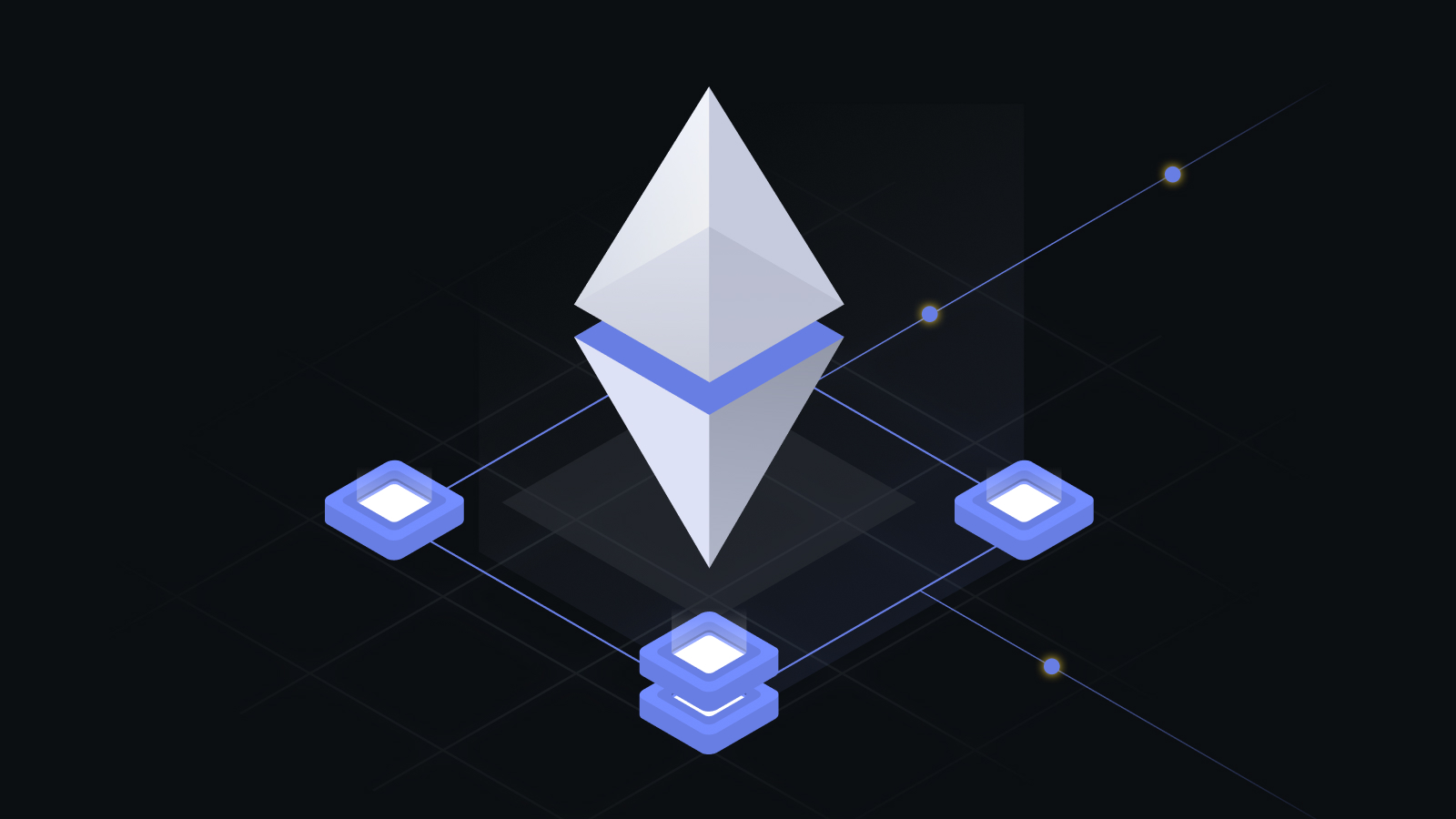
Selecting a ZK rollup architecture requires balancing cryptographic security with developer velocity. Unlike optimistic rollups that rely on fraud proofs after a challenge period, ZK rollups finalize transactions on Ethereum as soon as the validity proof is verified, typically within minutes. This distinction fundamentally alters the user experience and risk profile for dApps requiring immediate finality.

| Feature | zkSync Era | StarkNet | Polygon zkEVM |
|---|---|---|---|
| EVM Compatibility | |||
| Finality | |||
| Tooling |
Frequently asked questions about ZK rollups
What does zk rollup mean?
A ZK rollup is a Layer 2 scaling solution that increases throughput on Ethereum Mainnet by moving computation and state storage off-chain. It batches thousands of transactions and submits a single cryptographic validity proof to the mainnet, drastically reducing gas costs while maintaining Ethereum's security guarantees ethereum.org.
What is the difference between an optimistic rollup and a zk rollup?
Optimistic rollups assume transactions are valid and use fraud proofs with a seven-day challenge window to catch errors. ZK rollups prove validity upfront using zero-knowledge cryptography. This allows ZK rollups to achieve finality in minutes, whereas optimistic rollups require a week for funds to be fully withdrawable without dispute.
Which projects are leading zk rollups?
Leading ZK rollup projects include zkSync, built by Matter Labs, which uses zero-knowledge proofs to batch transactions and post validity proofs to Ethereum mainnet. Other notable implementations include Polygon zkEVM and Scroll, each optimizing for different tradeoffs between computational overhead and transaction throughput.
Is zkSync built on Ethereum?
Yes, zkSync is an Ethereum Layer 2 network. It executes transactions off-chain and posts cryptographic proofs to the Ethereum mainnet. This architecture allows it to inherit Ethereum's security model while offering significantly faster settlement times and lower fees for users.
No comments yet. Be the first to share your thoughts!