Defining the 2026 ZK landscape
Use this section to make the ZK Rollups decision easier to compare in real life, not just on paper. Start with the reader's actual constraint, then separate must-have requirements from details that are merely nice to have. A practical choice should survive normal use, maintenance, timing, and budget. If a recommendation only works in an ideal situation, call that out plainly and give the reader a fallback path.
The simplest way to use this section is to write down the must-have criteria first, then compare each option against those criteria before weighing nice-to-have features.
ZK Rollups vs Validiums: Architecture Comparison
Choosing between ZK rollups and Validiums requires weighing security guarantees against operational costs. While both leverage zero-knowledge cryptography to scale Ethereum, their approach to data availability fundamentally changes their risk profile and finality speed. Understanding these architectural differences is essential for enterprises deploying high-stakes applications.
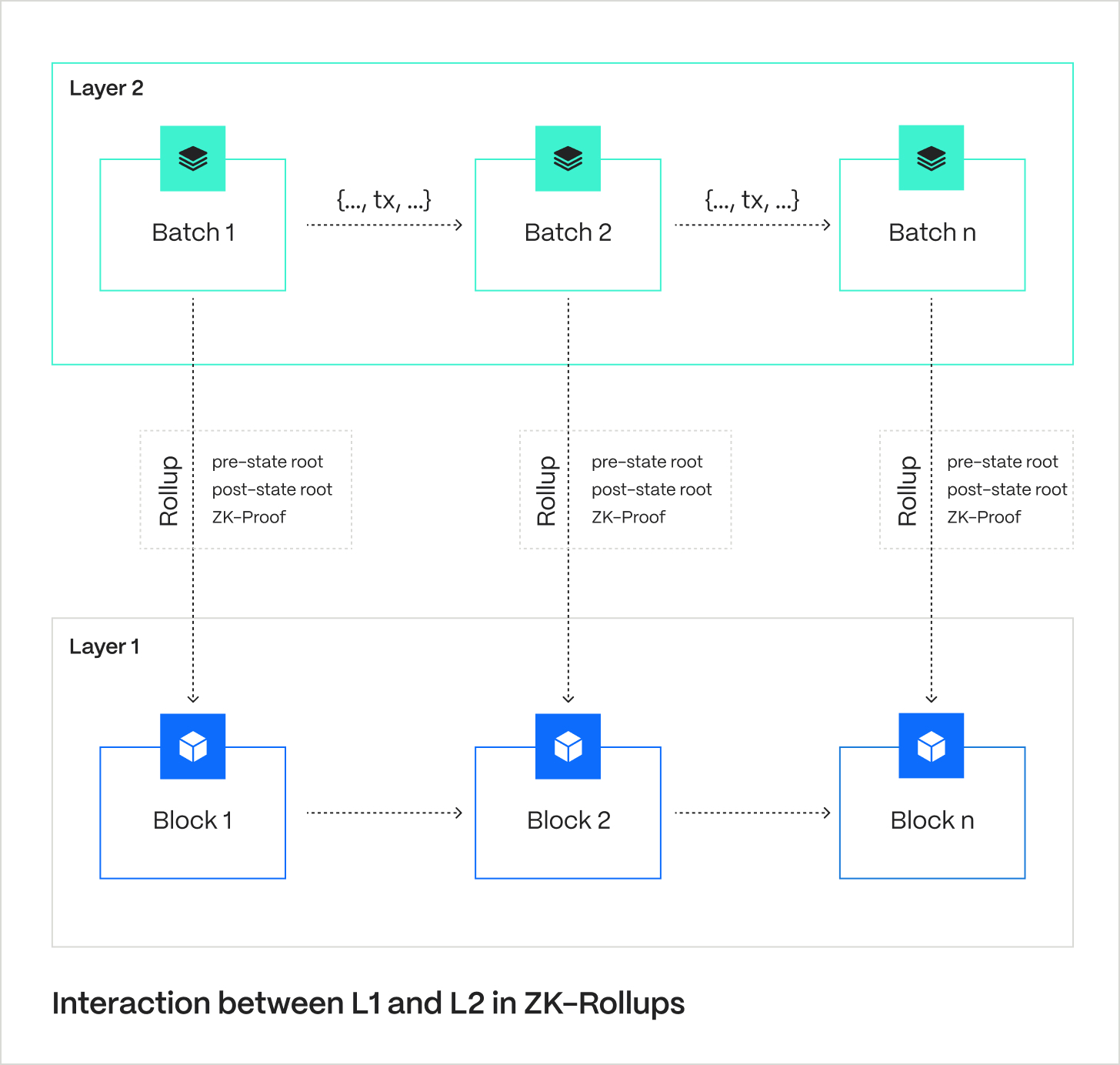
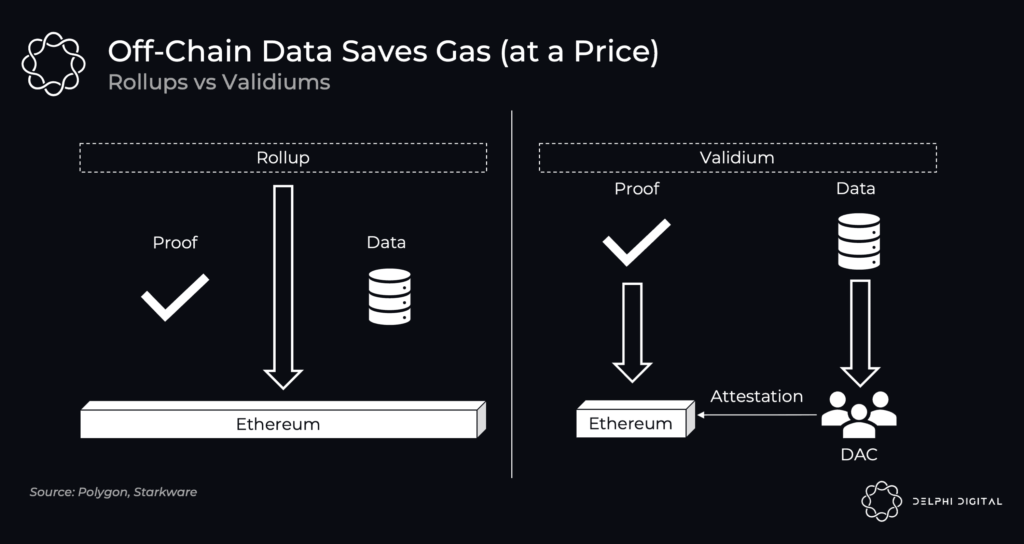
ZK rollups process transactions off-chain and submit both the validity proof and the compressed transaction data to Ethereum. This ensures that the full state can always be reconstructed from the chain, providing the highest level of security. Validiums, however, compute proofs off-chain but store transaction data on separate, often cheaper, data availability layers. This separation reduces costs significantly but introduces a dependency on external data availability providers.
The table below outlines the critical distinctions across five key metrics. These factors determine which architecture aligns with your specific compliance and performance requirements.
| Metric | ZK Rollup | Validium |
|---|---|---|
| Security Model | High (data on-chain) | Medium (data off-chain) |
| Finality Time | Minutes (proof verified) | Minutes (proof verified) |
| Data Availability | On-chain (Ethereum) | Off-chain (DA layer) |
| Transaction Cost | Higher (L1 storage fees) | Lower (avoids L1 storage) |
| Compliance Suitability | High (full auditability) | Moderate (depends on DA) |
Security remains the primary differentiator. Because ZK rollups store data on Ethereum, they inherit the chain’s security guarantees directly. Validiums rely on the integrity of their chosen data availability layer, which may offer weaker guarantees than Ethereum mainnet. For applications handling sensitive financial data or requiring immutable audit trails, the on-chain data commitment of ZK rollups often justifies the higher cost. Validiums offer a compelling alternative for use cases where cost efficiency outweighs the need for full on-chain data redundancy.
Security tradeoffs for regulated entities
For regulated enterprises, the distinction between Validiums and ZK rollups is not merely technical—it defines the legal and operational risk of the deployment. The choice hinges on whether an organization can tolerate the trust assumptions inherent in off-chain data availability or requires the immutable cryptographic guarantees of on-chain settlement.
Validium: Efficiency with Centralized Trust
A Validium processes transactions off-chain and publishes only the validity proof on Ethereum. While this model offers high throughput and low costs, it introduces a critical dependency on the sequencer or data availability layer. If the off-chain operator fails to publish data or acts maliciously, users cannot independently verify the state or withdraw funds without the operator’s cooperation.
For entities subject to strict audit trails, such as financial institutions or healthcare providers, this centralization of data availability is a significant vulnerability. The security model shifts from "trustless cryptography" to "trusted intermediaries." Regulated entities must assess whether their compliance framework can accept the risk of a single point of failure in the data availability layer. This tradeoff makes Validiums less suitable for high-stakes applications where data immutability and censorship resistance are non-negotiable.
ZK Rollups: Cryptographic Guarantees
ZK rollups, by contrast, publish both transaction data and validity proofs on Ethereum. This ensures that the full state of the ledger is always available on-chain, allowing any user to verify the integrity of the system independently. The security of a ZK rollup is anchored directly to Ethereum’s consensus, providing a level of finality and data availability that Validiums cannot match.
For regulated entities, this on-chain data availability simplifies compliance. Auditors can verify transaction history without relying on a third-party operator. The cryptographic proof serves as a self-contained audit trail, reducing the operational overhead of proving data integrity. While ZK rollups may involve higher computational costs and slightly longer finality times compared to Validiums, the security premium is often justified for applications handling sensitive or high-value data.
Choosing the Right Model
The decision ultimately depends on the entity’s risk tolerance and regulatory requirements. If the primary goal is cost efficiency and the application does not require strict data immutability, a Validium may suffice. However, for high-stakes enterprise use cases where security, auditability, and decentralization are paramount, ZK rollups provide the necessary cryptographic guarantees. The tradeoff is clear: Validiums offer speed at the cost of trust, while ZK rollups offer security at the cost of complexity and expense.
| Feature | Validium | ZK Rollup |
|---|---|---|
| Data Availability | Off-chain (trusted sequencer) | On-chain (Ethereum L1) |
| Security Model | Trust-based | Cryptographic proof |
| Auditability | Requires operator cooperation | Independent verification |
| Finality | Fast (off-chain) | Minutes (L1 verification) |
When to choose a Validium over a rollup
A Validium is the superior architecture when your primary requirement is maximum transaction throughput and minimal cost, rather than inheriting Ethereum’s data availability security. Unlike ZK Rollups, which store transaction data on Ethereum mainnet, Validiums keep data off-chain. This structural difference allows Validiums to process significantly more transactions per second because they are not constrained by Ethereum block space fees.
This model is ideal for high-volume applications where the risk of data unavailability is low or manageable. For example, decentralized exchanges (DEXs) or gaming platforms often prioritize speed and low fees over the absolute security guarantee of on-chain data storage. Since these applications can tolerate a slight reduction in decentralization, the Validium’s off-chain data availability providers offer a cost-effective scaling solution.
Validiums also fit specific compliance architectures. Because data remains off-chain, it is easier to implement privacy features or restrict data access for regulatory purposes without exposing sensitive information on a public blockchain. However, this comes with a trade-off: users must trust the Validium’s data availability providers to publish the data if needed for dispute resolution.
Enterprise adoption checklist for 2026
Choosing between a ZK rollup and a Validium requires mapping your operational constraints to the technical architecture. There is no universal best choice, only the solution that aligns with your specific data privacy, security, and compliance needs. Use this workflow to evaluate your options systematically.
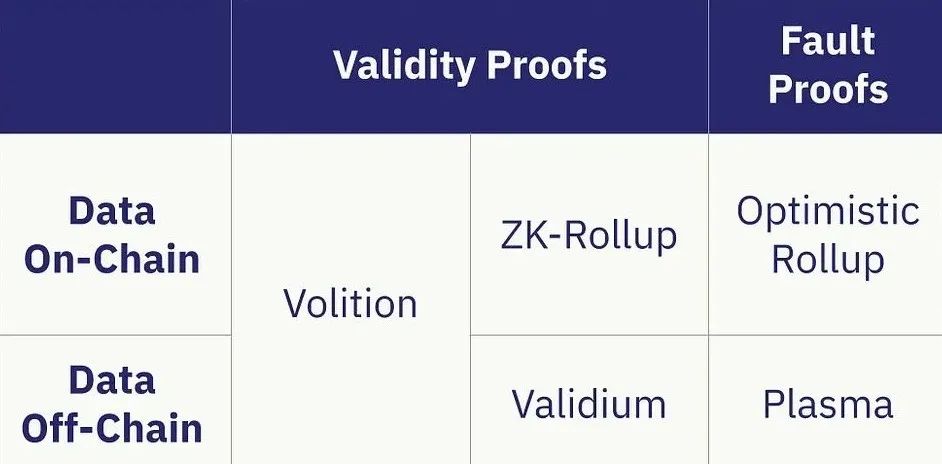
Determine whether your transaction data must be permanently stored on the Ethereum mainnet. If your business requires strict data sovereignty and wants to minimize off-chain storage risks, a ZK rollup is the safer choice because it publishes compressed data on-chain. If you can tolerate off-chain data availability providers and need lower costs, a Validium allows you to keep data off-chain entirely.
Evaluate how quickly you need transaction finality. ZK rollups offer immediate finality once the zero-knowledge proof is verified on Ethereum, typically within minutes. Validiums do not publish proofs on-chain, so they rely on the data availability provider’s security. If your enterprise cannot accept any withdrawal delays or trust assumptions, stick to ZK rollups.
Estimate your daily transaction throughput. Validiums generally offer higher throughput and lower fees because they do not pay for on-chain data publication. ZK rollups incur higher costs due to on-chain data commitments. If your primary goal is scaling high-volume, low-value transactions like micro-payments, Validiums provide better economic efficiency.
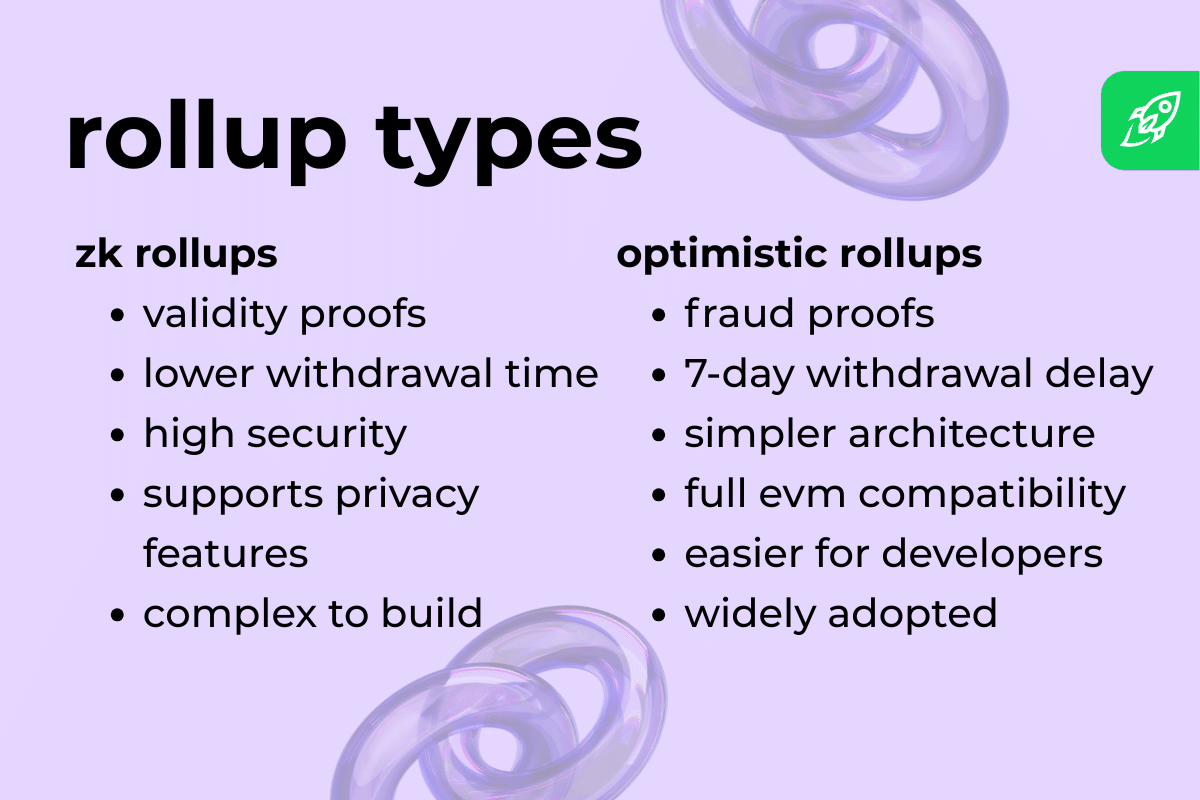
Check if your industry requires on-chain data immutability for audits. Regulators often prefer data that is permanently anchored to the blockchain. If compliance mandates that data be available on Ethereum for verification, a Validium may not meet your regulatory standards unless the data availability provider offers robust, audited guarantees.

Analyze the maturity of the rollup ecosystem. In 2026, major platforms like Base, Polygon, and Arbitrum have secured the most enterprise integrations. Ensure your chosen solution has active developer support, robust tooling, and a track record of handling institutional-grade workloads. Avoid niche solutions with limited audit histories or small validator sets.
| Feature | ZK Rollup | Validium |
|---|---|---|
| Data Location | On-chain (Ethereum) | Off-chain |
| Finality | Immediate (minutes) | Depends on DA provider |
| Cost | Higher | Lower |
| Security Model | Ethereum L1 security | L1 + DA provider trust |
No comments yet. Be the first to share your thoughts!