Why zero-knowledge proof identity matters in 2026
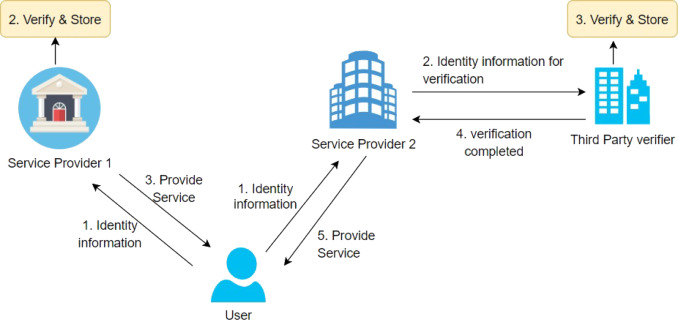
The current digital economy runs on a simple trade-off: users surrender personal data in exchange for access to services. This model treats privacy as an optional feature rather than a baseline right. As data breaches become routine and surveillance capitalism intensifies, this approach is failing. Users are no longer willing to hand over their entire digital lives to prove who they are.
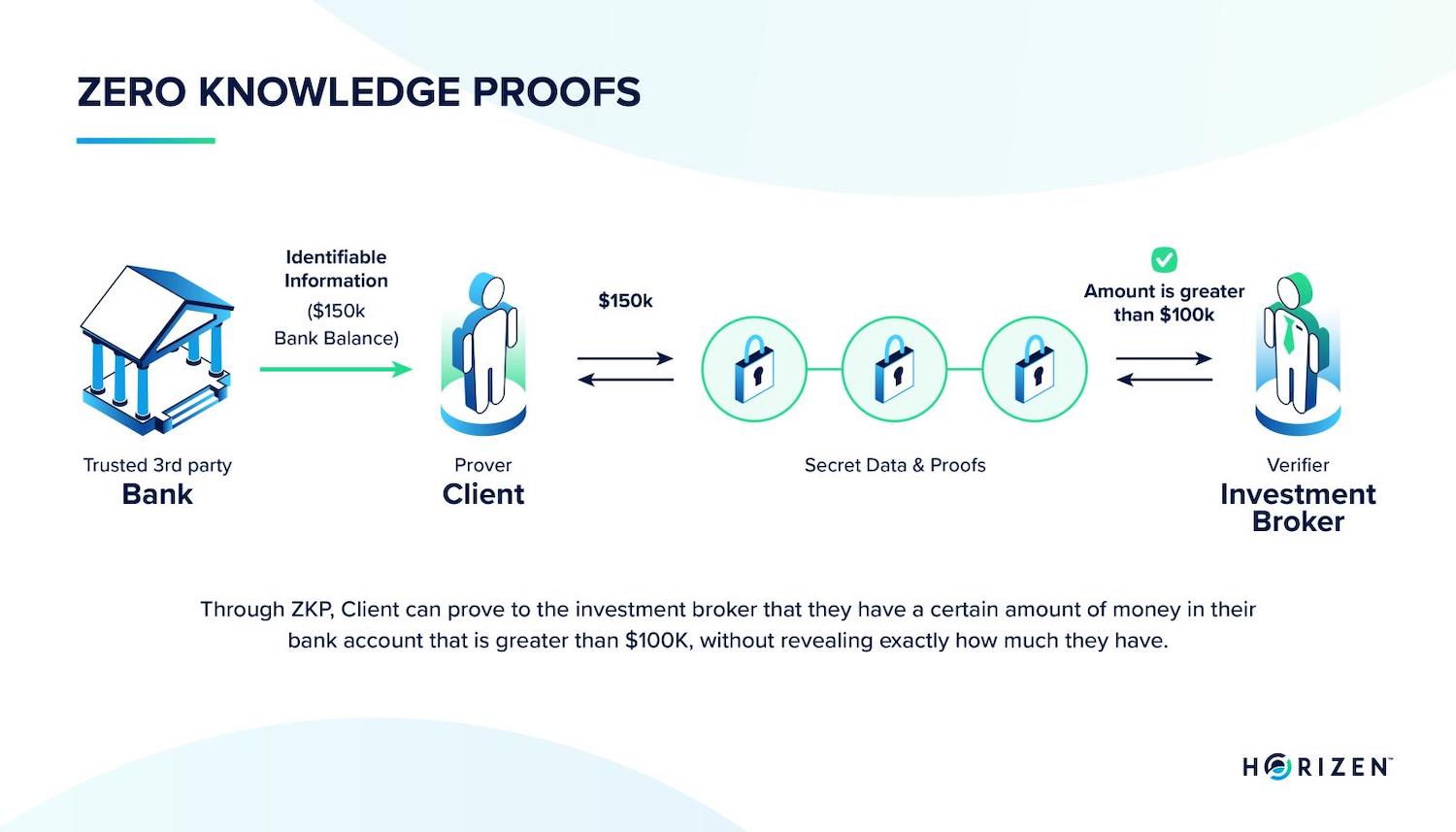
Zero-knowledge proof identity offers a different path. It allows individuals to verify specific attributes without exposing the underlying data. For example, you can prove you are over 21 without revealing your exact birthdate or address. This shift moves verification from a data-harvesting exercise to a cryptographic confirmation of truth.
The technology relies on advanced cryptography to generate a proof that a statement is true without revealing the information itself. This means platforms can trust the verification result without ever storing sensitive personal details. It eliminates the need for centralized databases that act as honeypots for hackers.
This distinction is critical for the future of digital trust. By decoupling verification from data exposure, ZK identity reduces the attack surface for identity theft. It empowers users to control their digital footprint, sharing only what is necessary for each interaction.
As we move into 2026, the pressure for privacy-first solutions will only grow. Regulations and user demand are converging to make data minimization a standard requirement. This technology is not just a technical upgrade; it is a necessary evolution of how we establish trust online.
Microsoft Vega proves age without revealing data
Microsoft’s Vega protocol demonstrates how zero-knowledge proofs can work in practice. Instead of uploading a scanned driver’s license or passport, users can generate a cryptographic proof that verifies specific facts about their credentials. The system allows individuals to confirm they are over 18, prove their personhood, or validate professional status without ever exposing the underlying document.
This approach shifts the burden of trust from the verifier to the protocol. When a service asks for age verification, Vega ensures the user provides only the necessary boolean result: yes or no. The actual birth date, address, or license number remains encrypted on the user’s device. This minimizes the attack surface for data breaches, as the verifier never holds sensitive personal information to begin with.
The architecture relies on zero-knowledge proofs to validate claims against government-issued credentials. Microsoft Research details this mechanism in their official documentation, explaining how the protocol handles the complex cryptography required for real-world identity verification. By keeping the credential itself private, Vega sets a new standard for digital identity that prioritizes user privacy while maintaining regulatory compliance.
Google opens ZK libraries for age assurance
Google has taken a significant step toward standardizing privacy-first verification by open-sourcing its Zero Knowledge Proof (ZKP) libraries. This move makes it easier for developers to build age assurance tools that protect user data without compromising on security or functionality.
The core idea behind these libraries is simple yet powerful: ZKP allows individuals to prove a specific fact about themselves without revealing any additional personal information. For example, a user can verify they are over 18 without disclosing their exact birthdate, name, or address. This approach minimizes the amount of sensitive data stored by third-party services, reducing the risk of data breaches and unauthorized access.
By making these tools publicly available, Google is encouraging industry-wide adoption of zero-knowledge protocols in age verification. This transparency helps establish a common framework for developers, promoting consistency and trust across platforms. As more companies integrate these libraries, the ecosystem for privacy-preserving identity verification becomes more robust and accessible.
This initiative highlights a growing shift in how digital identities are managed. Instead of relying on centralized databases that store vast amounts of personal data, businesses are turning to decentralized, privacy-first solutions. Google’s contribution to this space demonstrates the potential for large tech companies to drive innovation in user privacy while maintaining high security standards.
Chainlink and blockchain identity integration
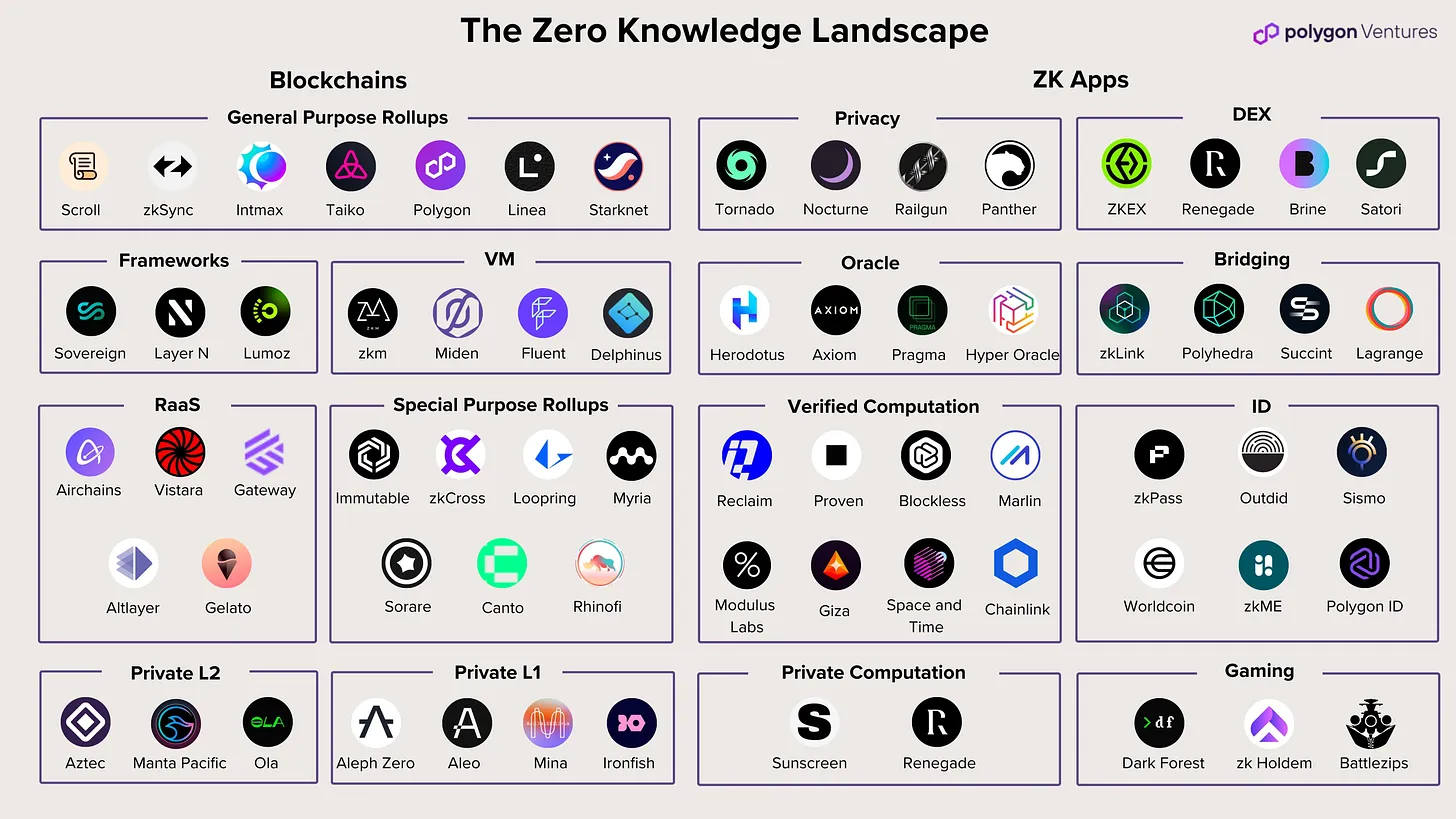
Decentralized identity standards are moving from theoretical models to on-chain reality through integration with blockchain oracles. Chainlink has emerged as a critical infrastructure layer in this shift, connecting off-chain identity verification systems with on-chain smart contracts. This bridge allows decentralized applications to verify user credentials without exposing the underlying personal data.
The core challenge in digital identity is proving you are who you say you are without handing over your passport or social security number. Chainlink’s oracle network solves this by acting as a trusted intermediary. It fetches verification results from external identity providers—such as government databases or biometric services—and delivers them to the blockchain as a simple yes-or-no proof. This process ensures that the smart contract executing the transaction can trust the data source without ever seeing the sensitive information itself.
This integration enables a new class of privacy-preserving applications. For instance, a DeFi platform can require users to prove they are over 18 or reside in a specific jurisdiction to comply with regulations. Instead of uploading a driver’s license, the user generates a zero-knowledge proof. The Chainlink oracle verifies this proof against the identity provider’s records and writes the verification status to the chain. The result is a seamless user experience where privacy is maintained by default.
According to Chainlink’s documentation, zero-knowledge identity allows users to verify personal data onchain without revealing sensitive information. This approach decouples identity from reputation, preventing the centralization of personal data in single points of failure. As more protocols adopt this standard, the internet moves closer to a model where users control their digital selves, and verification is both secure and private.
| Feature | Traditional Login | ZK + Oracle Verification |
|---|---|---|
| Data Exposure | Full PII shared with provider | Only proof of compliance shared |
| Verification Speed | Manual review or slow API calls | Near-instant on-chain settlement |
| User Control | Provider owns the data | User retains control of credentials |
ZKProof 8 sets the 2026 standard
The ZKProof 8 workshop in Rome, scheduled for May 9–10, 2026, marks a critical inflection point for zero-knowledge identity. As the protocol moves from experimental proofs to global financial infrastructure, the need for unified standards is no longer optional. This event brings together the core developers and researchers responsible for defining how these cryptographic systems will interoperate.
The primary focus is interoperability. Currently, different zero-knowledge identity solutions often speak different cryptographic languages, creating friction for users and developers. ZKProof 8 aims to finalize the technical specifications that allow these disparate systems to communicate seamlessly. This standardization is essential for building a privacy-first verification layer that can scale across borders and platforms.
Attendees will review recent advancements in proof systems that reduce computational overhead while maintaining security. These developments are not just academic; they directly impact the speed and cost of identity verification for everyday users. By aligning on a common standard, the industry can move toward a future where privacy is the default, not the exception.
The outcomes of this workshop will likely shape the regulatory and technical landscape for the next several years. For developers building privacy-preserving applications, understanding these emerging standards is crucial for future-proofing their architecture. The goal is a decentralized identity ecosystem that is both secure and universally compatible.
No comments yet. Be the first to share your thoughts!