

Bitcoin's ascent to $68,437.00, marking a 5.74% gain over the past 24 hours, underscores renewed investor confidence amid scalability breakthroughs. Citrea, the pioneering ZK rollup on Bitcoin, launched its mainnet on January 27,2026, positioning itself as the first ZK rollup on Bitcoin. This Bitcoin zk layer 2 solution promises to unlock DeFi and smart contracts without compromising the network's core security, a development that demands rigorous technical scrutiny in 2026.
Citrea addresses Bitcoin's longstanding throughput constraints by processing transactions off-chain and anchoring succinct zero-knowledge proofs to the base layer. Unlike Ethereum's rollups, which leverage EVM compatibility, Citrea contends with Bitcoin's script limitations, innovating around data availability and settlement via specialized proving systems. This Citrea Bitcoin scaling approach batches thousands of operations into minimal on-chain footprints, potentially sustaining miner fees as subsidies wane.
Citrea's ZK-Rollup Mechanics and Proof Aggregation
At its core, Citrea employs zk-SNARKs to compress transaction data, submitting validity proofs rather than full state diffs to Bitcoin. The architecture hinges on a local consensus proof (LCP), which validates sequencer outputs before bridging via Clementine. This Bitcoin bridge uses BitVM paradigms alongside ZKPs, enabling trust-minimized cBTC transfers- a leap from multisig custodians. Proving architecture adapts to Bitcoin's opcode austerity; batch proofs aggregate executions in a recursion-optimized pipeline, as detailed in Citrea's deep dives.

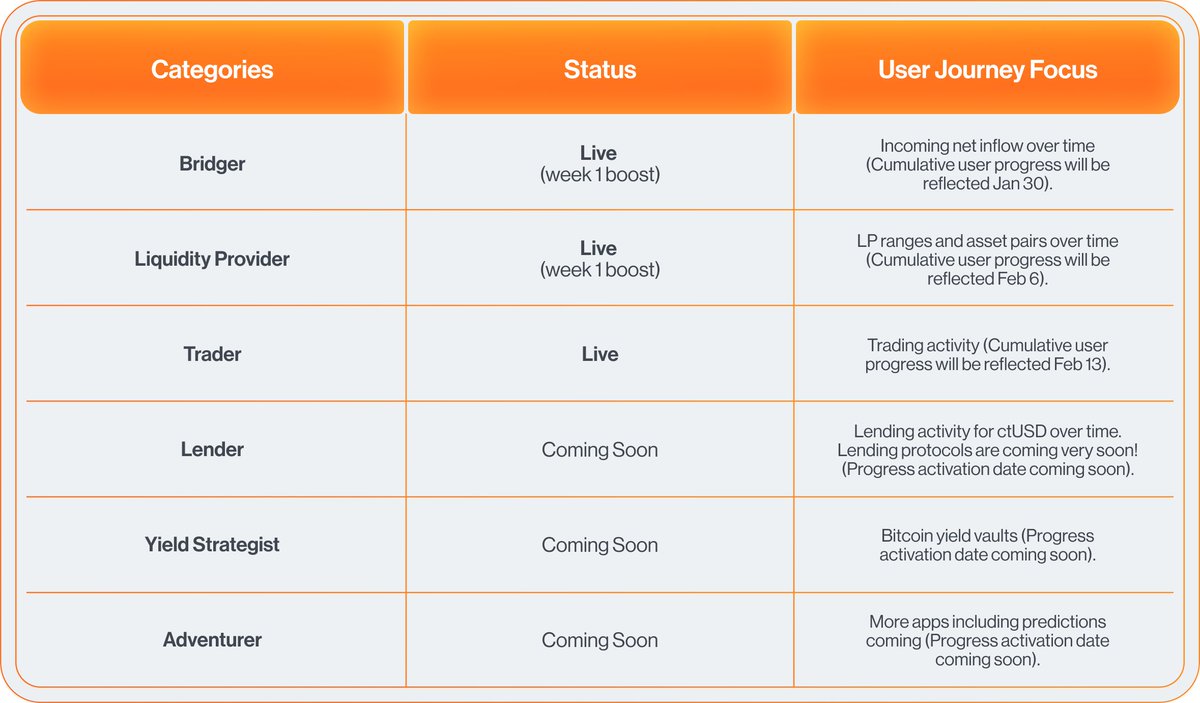
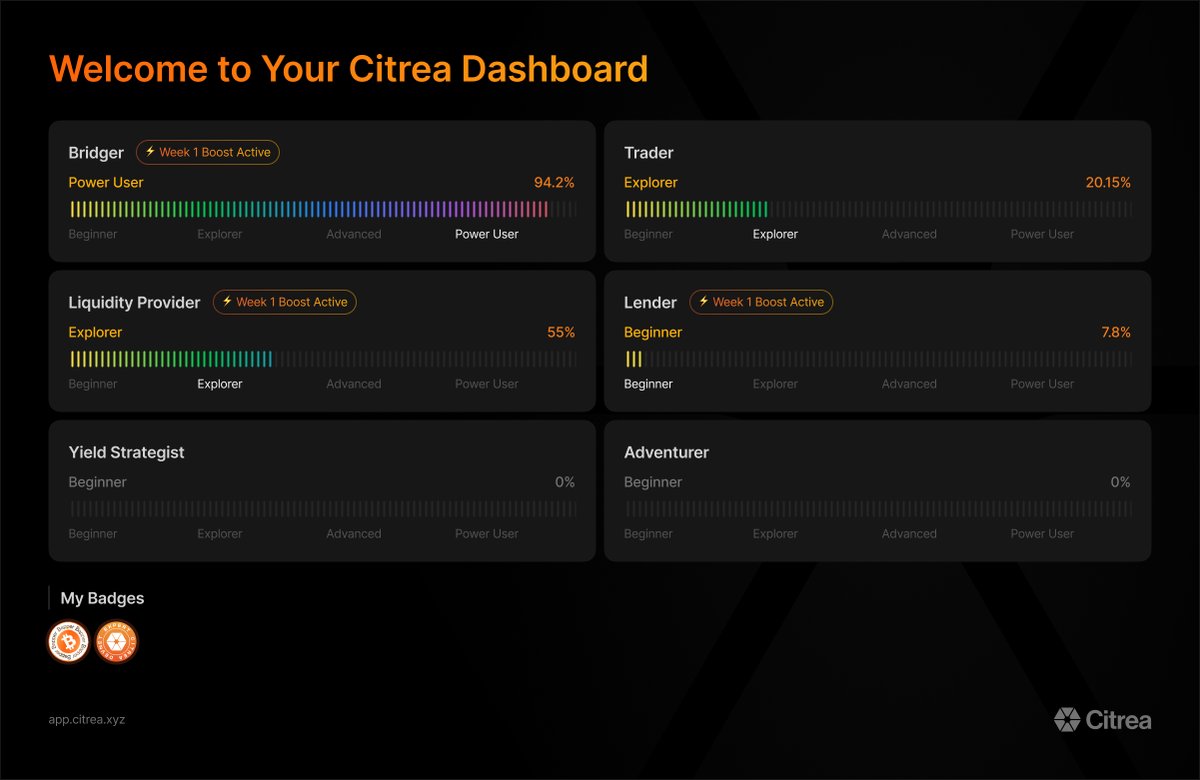
Transaction lifecycle begins off-chain: users submit to sequencers, which execute in a Bitcoin-aligned VM. State roots and proofs post to Bitcoin every epoch, ensuring finality. This setup yields sub-cent fees at scale, contrasting Bitcoin's $68,437.00 price-driven congestion premiums. Yet, risks persist; sequencer centralization could invite censorship, though decentralized challengers loom on the roadmap.
Mainnet Launch: ctUSD, Clementine, and Ecosystem Momentum
The mainnet debut introduced ctUSD, a MoonPay-issued stablecoin backed by U. S. Treasuries and cash, shielding DeFi from BTC volatility at $68,437.00. Clementine's activation delivers cBTC, the first fully programmable BTC derivative sans trusted intermediaries. Over 30 ₿apps launched concurrently, spanning Morpho lending, UltraYield yields, and Keyrock structured products- signaling robust zk rollups Bitcoin 2026 adoption.
Bitcoin (BTC) Price Prediction 2027-2032: Citrea ZK Rollup Impact
Conservative estimates factoring in Citrea mainnet launch, ecosystem growth, and Bitcoin scalability enhancements
| Year | Minimum Price (USD) | Average Price (USD) | Maximum Price (USD) | YoY Avg Change (%) |
|---|---|---|---|---|
| 2027 | $55,000 | $85,000 | $120,000 | +21% |
| 2028 | $70,000 | $110,000 | $160,000 | +29% |
| 2029 | $90,000 | $145,000 | $210,000 | +32% |
| 2030 | $115,000 | $185,000 | $265,000 | +27% |
| 2031 | $140,000 | $235,000 | $340,000 | +27% |
| 2032 | $170,000 | $300,000 | $430,000 | +28% |
Price Prediction Summary
Following Citrea's 2026 mainnet launch, Bitcoin's price is projected to grow steadily from a 2026 baseline of ~$68,400, driven by ZK-rollup scalability, DeFi adoption via ₿apps, ctUSD stablecoin, and Clementine bridge. Conservative averages reflect 25-30% YoY growth amid market cycles, with bearish mins accounting for potential regulatory hurdles and bullish maxes for rapid L2 ecosystem expansion.
Key Factors Affecting Bitcoin Price
- Citrea ZK-rollup adoption boosting BTC transaction throughput and DeFi utility
- 2028 Bitcoin halving enhancing scarcity
- Regulatory developments favoring or hindering L2 integrations
- Institutional inflows and stablecoin usage (ctUSD) driving demand
- Macroeconomic trends and competition from Ethereum/other L1s
- Sustained miner fee revenue from rollup proofs amid subsidy halving
Disclaimer: Cryptocurrency price predictions are speculative and based on current market analysis. Actual prices may vary significantly due to market volatility, regulatory changes, and other factors. Always do your own research before making investment decisions.
Market reactions split: proponents eye perpetual block demand for fees, countering halving pressures. Skeptics decry opcodes bloat from proofs, potentially eroding Bitcoin's payment purity. Data from launch shows initial TPS spikes, with proofs clocking under 1MB- leaner than OP_RETURN hacks. Citrea's footprint, however, stresses inscription debates; will nodes prune ZK data aggressively?
Technical Risks and Risk-Adjusted Performance Metrics
Quantifying Citrea's viability requires stress-testing assumptions. Proof generation latency hovers at minutes, viable for DeFi but lagging Solana's instant finals. Economic security derives from Bitcoin's $68,437.00 hashpower, yet bridge exploits loom if BitVM verifiers falter. Portfolio managers must weigh TVL growth against dilution risks; early metrics project 10x throughput uplift, but at what validator cost?
To benchmark Citrea against peers, consider throughput metrics. Early mainnet data indicates 1,000 and TPS potential, dwarfing Bitcoin's 7 TPS baseline while inheriting its $68,437.00-secured finality. Cost per transaction plummets to fractions of a cent, versus Bitcoin's median fees exceeding $5 during peaks. Yet, this Bitcoin zk layer 2 efficiency trades off against proof verification overhead; Bitcoin nodes must validate SNARKs without native support, relying on OP_CAT proposals for recursion.

Risk-adjusted returns hinge on adoption velocity. TVL forecasts, conservatively pegged at $500 million by mid-2026, imply a 20x uplift from launch, buoyed by ctUSD liquidity. Dilution from sequencer bonds mitigates MEV extraction, but centralization indices warrant monitoring. My analysis favors positions sized at 2-5% of crypto allocations, hedging via BTC spot at $68,437.00.
Bridging Mechanics: Clementine's BitVM Integration
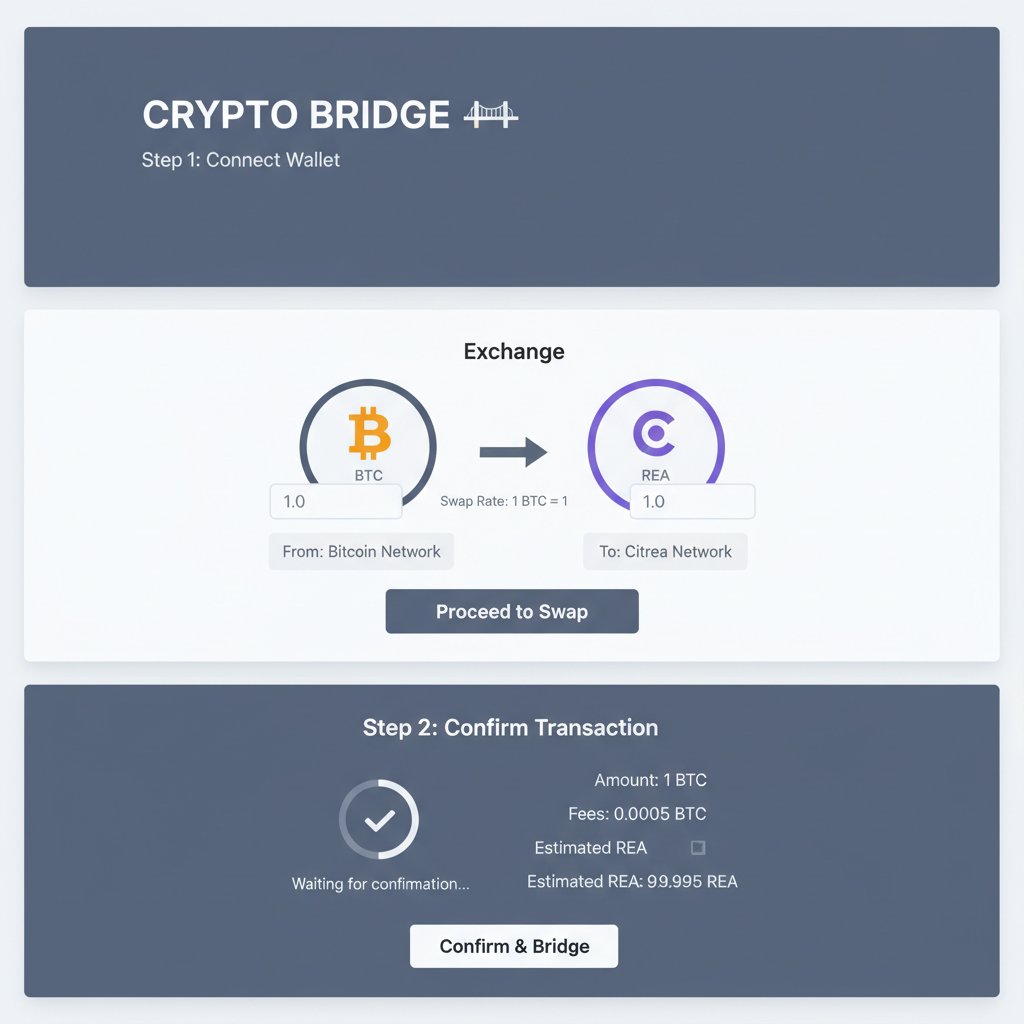
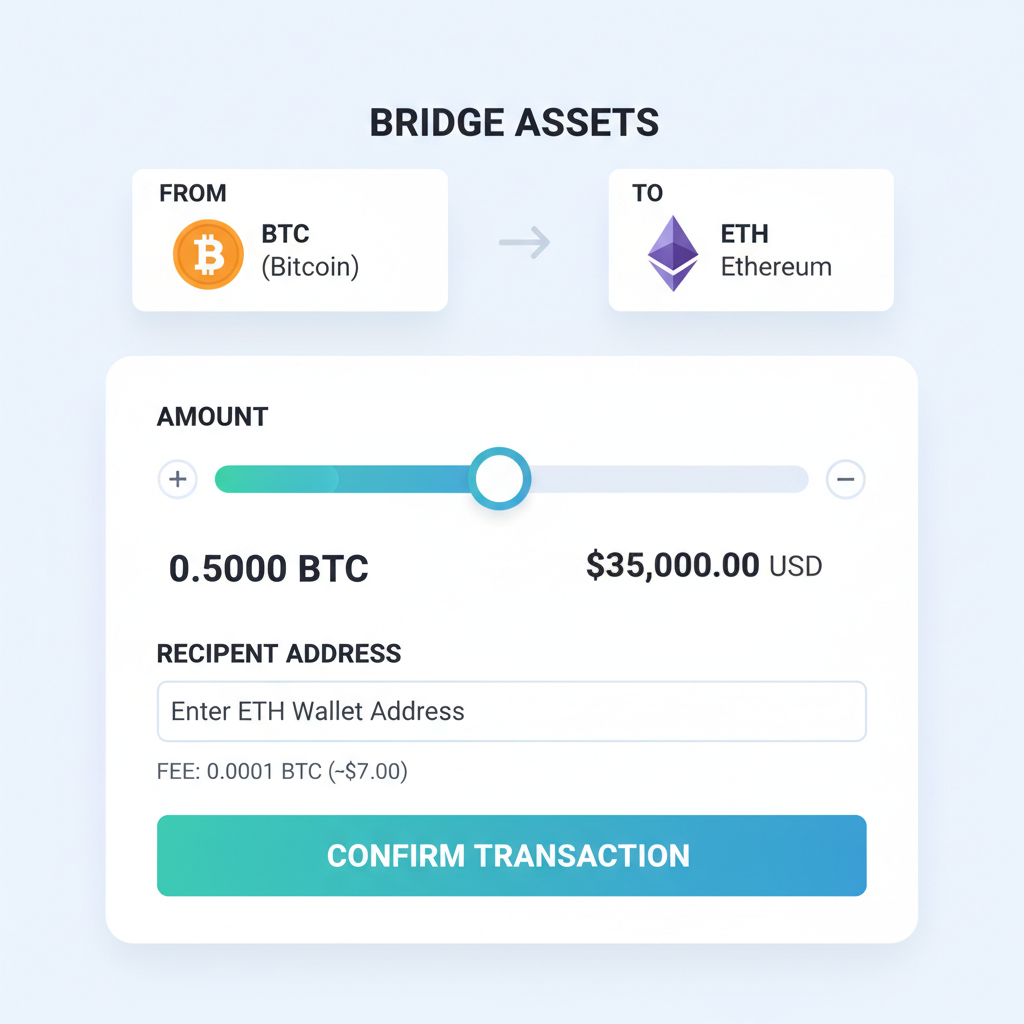
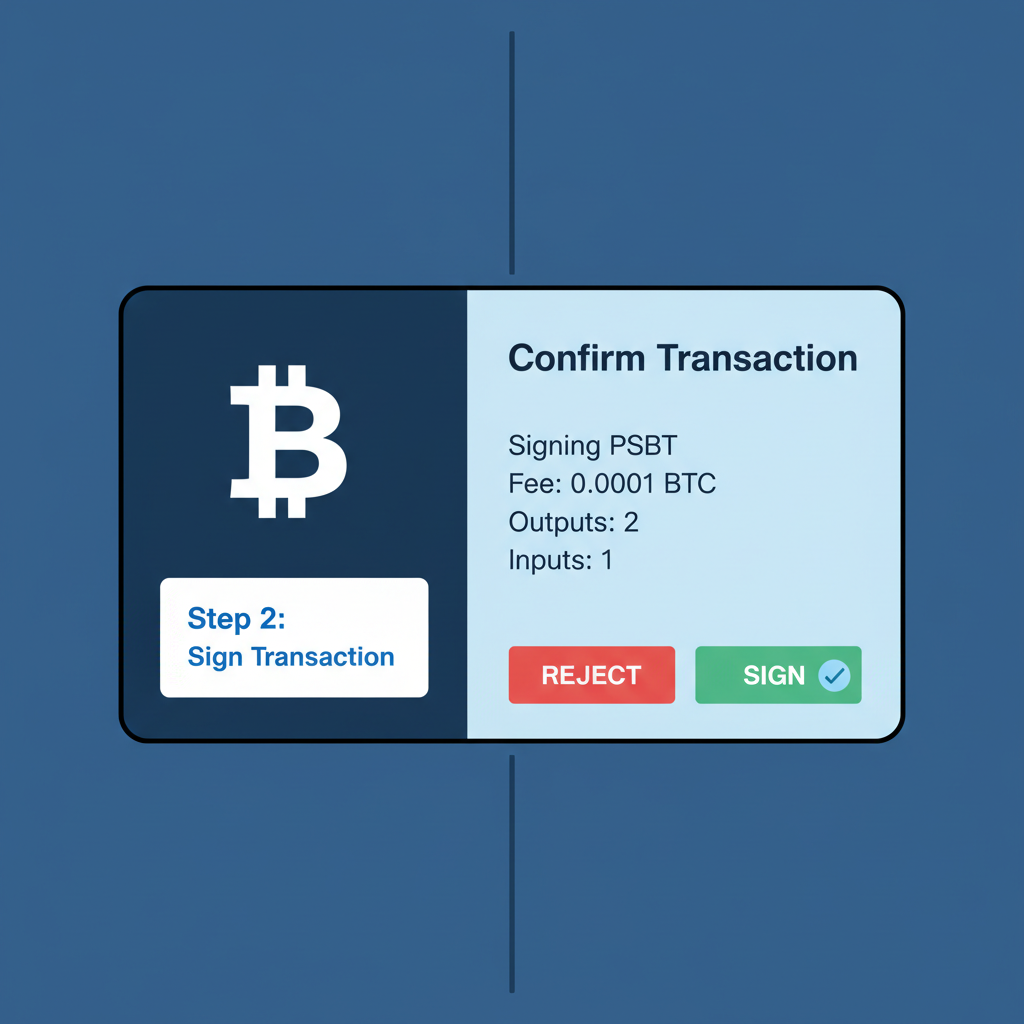
Clementine stands out in Citrea's stack, leveraging BitVM for fraud proofs alongside ZK validity. Users lock BTC on L1, mint cBTC on Citrea post-challenge window. This trust-minimized design sidesteps federated risks plaguing WBTC, with LCP outputs gating resolutions. Simulations project 99.9% uptime, though griefing vectors persist until decentralized sequencers mature.
Bridging BTC to Citrea: Secure Clementine Bridge Guide with LCP Verification




DeFi primitives like Morpho lending bootstrap yields at 4-6% APY on ctUSD, uncorrelated to BTC's 5.74% 24-hour surge. UltraYield's vaults compound this, drawing institutional flows. Keyrock's products layer leverage, amplifying returns but exposing to liquidation cascades if BTC dips below $64,517.00 lows.
2026 Outlook: Sustainability Amid Halving Pressures
As Bitcoin's block subsidy halves further, Citrea Bitcoin scaling via ZK proofs could sustain 20-30% of fees, per on-chain models. Citrea's lean data posts- under 500 bytes per batch- minimize bloat, preserving node sovereignty. Ecosystem ₿apps, now exceeding 30, forecast 50 by year-end, per partner roadmaps. This citrea zk rollup bitcoin momentum challenges narratives of Bitcoin as mere digital gold, evolving it toward programmable money.
Comparative lens sharpens the thesis. Ethereum rollups like Optimism post 100MB state commitments; Citrea's SNARKs slash this 99%, tailoring to Bitcoin's austerity. Solana's 50,000 TPS dazzles but falters on outage history; Citrea anchors to BTC's unbroken 99.98% uptime. Risks cluster around opcode upgrades- without OP_CAT, proof aggregation strains Taproot spends. Investors should track proposal momentum.
Portfolio integration demands prudence. At BTC $68,437.00, allocate via cBTC exposure post-Clementine, targeting 15% annualized yields net of gas. Monitor TVL thresholds above $1 billion for breakout; sub-$100 million signals retrenchment. First zk rollup on Bitcoin status confers first-mover premiums, yet validate via on-chain activity before scaling bets.
Citrea's trajectory, measured against 2026 benchmarks, positions it as a cornerstone for zk rollups Bitcoin 2026. Data-driven scrutiny reveals asymmetric upside in throughput and yields, tempered by bridge and centralization hurdles. Bitcoin's resilience at $68,437.00 provides the backstop; savvy allocators will navigate this evolution with calibrated conviction.



No comments yet. Be the first to share your thoughts!