
Ethereum’s scaling journey has reached a pivotal moment. As the network’s usage grows and decentralized applications (dApps) push the limits of blockspace, zkRollups have emerged as a transformative solution for horizontal scaling. By bundling transactions off-chain and submitting succinct proofs to Ethereum, zkRollups not only reduce congestion but also open the door to application-specific chains, or appchains, that operate in parallel.
Understanding Horizontal Scaling with zkRollups
Traditional scaling efforts on Ethereum have focused on vertical improvements - making a single chain process more transactions per second. However, this approach faces inherent bottlenecks. Horizontal scaling, by contrast, distributes workload across multiple chains operating simultaneously. With zkRollups, each appchain can be tailored to a specific use case, running its own sequencer and execution environment while posting validity proofs back to Ethereum for security.
This model is already being realized through protocols like ZKsync and Starknet. ZKsync’s architecture enables clusters of interoperable rollup chains known as rollup clusters, each capable of handling its own transaction flow without competing for mainnet resources. As a result, developers can deploy dedicated blockchains for games, DeFi protocols, or NFT marketplaces, each optimized for their unique requirements.
The Rise of Application-Centric Rollups
Application-centric rollups represent the next evolution in Layer 2 design. Unlike general-purpose rollups that host many dApps on shared infrastructure, these specialized rollups empower teams to configure consensus mechanisms, data availability strategies, and fee models specific to their user base.
This flexibility is enabled by modular frameworks such as ZK Stack. With ZK Stack’s plug-and-play components, projects can launch secure appchains with native bridges for cross-chain communication and composability across different programming languages. These features not only boost transaction throughput but also dramatically lower gas fees, a critical advantage as Ethereum adoption accelerates.
The impact is quantifiable: by shifting execution off mainnet and leveraging zero-knowledge proofs for state verification, appchains powered by zkRollup technology achieve both scalability and uncompromised security inherited from Ethereum itself.
Key Components Driving zkRollup Horizontal Scaling
- Modular Frameworks: Platforms like ZK Stack let businesses assemble custom blockchain solutions using pre-built modules, enabling rapid deployment and iterative innovation.
- Native Bridges: Secure interoperability between appchains is achieved through native bridges rather than ad hoc solutions prone to exploits.
- Composability: Multi-language support via universal compilers means that developers from diverse backgrounds can contribute seamlessly within the same ecosystem.
This architecture is already fueling new levels of experimentation in DeFi and gaming sectors. For example, ZKsync’s Elastic Chains allow enterprises to spin up Layer 3 networks atop existing Layer 2 infrastructure, delivering ultra-low latency and near-instant finality for high-frequency applications.
Ethereum (ETH) Price Prediction 2026-2031
Professional outlook based on current $3,454.82 valuation and the impact of zkRollups and horizontal scaling for Ethereum appchains.
| Year | Minimum Price | Average Price | Maximum Price | Year-over-Year % Change (Avg) | Key Scenario |
|---|---|---|---|---|---|
| 2026 | $2,950.00 | $3,850.00 | $5,200.00 | +11.5% | Adoption of zkRollups accelerates, moderate bull trend |
| 2027 | $3,200.00 | $4,600.00 | $6,800.00 | +19.5% | Application-centric rollups gain traction, DeFi & NFT resurgence |
| 2028 | $3,450.00 | $5,400.00 | $8,200.00 | +17.4% | Mainstream appchain adoption, tech upgrades, strong cycle |
| 2029 | $3,800.00 | $6,150.00 | $10,000.00 | +13.9% | Broader institutional adoption, regulatory clarity |
| 2030 | $4,200.00 | $7,200.00 | $13,500.00 | +17.1% | Horizontal scaling fully realized, new killer dApps emerge |
| 2031 | $4,000.00 | $8,000.00 | $16,000.00 | +11.1% | Market matures, competition increases, ETH as settlement layer |
Price Prediction Summary
Ethereum is projected to experience steady growth through 2031, fueled by the adoption of zkRollups, horizontal scaling, and application-centric rollups. Average prices are expected to nearly double by 2031 compared to current levels, with potential for significant upside in bullish scenarios if Ethereum cements its role as the foundation for scalable decentralized applications. However, volatility and downside risks remain, especially as competition intensifies and the crypto market cycles continue.
Key Factors Affecting Ethereum Price
- Adoption pace of zkRollups and Layer 2 technologies
- Success of application-centric rollups and appchain ecosystems
- Overall crypto market cycles (bullish/bearish phases)
- Regulatory developments and global policy shifts
- Ethereum's ability to maintain dominance vs. competitors (e.g., Solana, Avalanche, modular blockchains)
- Scalability improvements and network upgrades (e.g., Danksharding, further L2 innovations)
- Institutional and enterprise adoption of Ethereum-based infrastructure
- Potential disruptions from new blockchain paradigms or technologies
Disclaimer: Cryptocurrency price predictions are speculative and based on current market analysis. Actual prices may vary significantly due to market volatility, regulatory changes, and other factors. Always do your own research before making investment decisions.
The market has taken notice: as of November 8,2025, Ethereum (ETH) trades at $3,454.82, up 3.34% in the last 24 hours, a testament to growing confidence in Layer 2 innovations like zkRollups driving real utility growth across the ecosystem.
If you’re interested in deeper technical details on programmable rollups or smart sequencers powering these advances, see our related coverage at How zkRollups Enable Horizontal Scaling for Ethereum Programmable Rollups and Smart Sequencers Explained.
Beyond technical throughput, the horizontal scaling enabled by zkRollups is unlocking new business models for Ethereum appchains. By isolating execution environments, projects can fine-tune network parameters, experiment with novel tokenomics, and deliver responsive UX tailored to their communities. The result: a proliferation of highly specialized blockchains that maintain trust-minimized settlement on Ethereum while operating at web-scale performance.
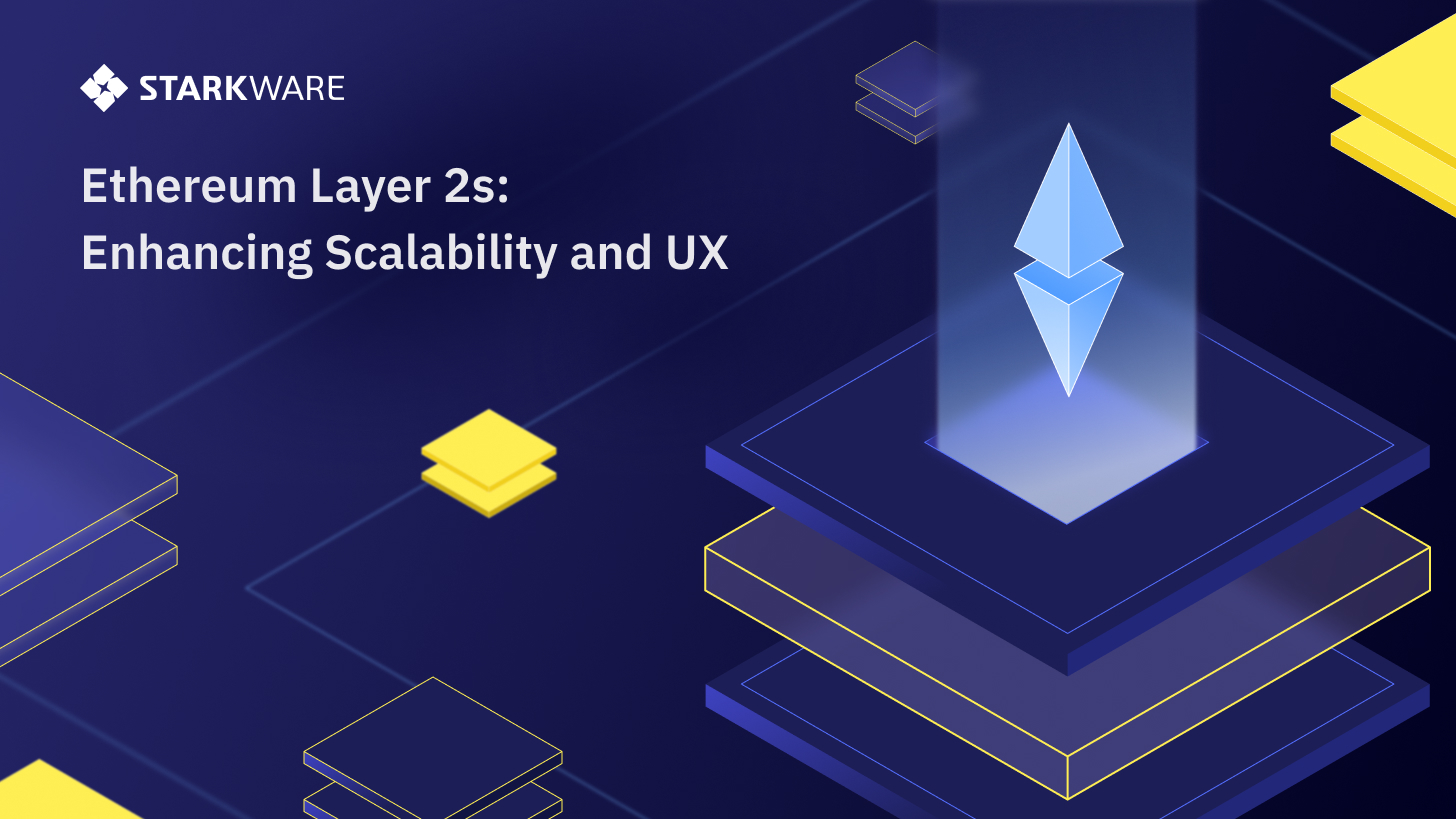
Decentralized sequencers are another critical innovation in this landscape. Rather than relying on a single operator, decentralized sequencers distribute transaction ordering across multiple nodes, reducing censorship risk and boosting liveness. This model is gaining traction in zkSync and other rollup frameworks, providing robust infrastructure for high-value DeFi protocols and mission-critical enterprise applications.
Security remains paramount. Unlike optimistic rollups that rely on fraud proofs and challenge periods, zkRollup-based appchains leverage succinct validity proofs to ensure each state transition is mathematically correct before being finalized on Ethereum. This not only shortens withdrawal times but also instills greater confidence among institutional users seeking deterministic guarantees for capital efficiency.
Composability and Interoperability: The Next Frontier
The composable nature of zkRollup-powered appchains is accelerating cross-sector innovation. Native bridges allow assets and data to flow securely between chains without exposing users to the risks associated with traditional bridging solutions. Developers can deploy interoperable dApps that tap liquidity from multiple domains, DeFi lending markets, NFT platforms, or gaming economies, without friction.
Interoperability doesn’t just stop at asset transfers; it extends to shared security models and unified developer experiences. With open standards emerging around ZK Stack modules and universal compilers, the barrier to entry for launching a new appchain has never been lower. Teams can focus on product differentiation rather than consensus engineering or infrastructure overhead.
The implications are profound: as horizontal scaling matures through zkRollups, Ethereum’s ecosystem could evolve into a mesh of interconnected blockchains, each optimized for specific verticals yet anchored by shared security and liquidity pools. This vision aligns with the broader industry shift toward modular blockchain architectures where scalability no longer comes at the cost of decentralization or composability.
For those tracking market sentiment, it’s clear that Layer 2 adoption is increasingly reflected in Ethereum’s price action. With ETH holding steady at $3,454.82, investors are betting that scalable infrastructure will be the catalyst for the next phase of decentralized application growth.
If you’re ready to explore advanced concepts like sub-second finality or 100K and TPS benchmarks made possible by these technologies, check out our deep dive at How zkRollups Enable Sub-Second Finality and 100K TPS on EVM Chains.



No comments yet. Be the first to share your thoughts!