

Zero-knowledge hardware is rapidly emerging as the linchpin for scalable zk rollups, promising to unlock the next era of blockchain throughput and privacy. As Ethereum and other blockchains push for mass adoption, the need to efficiently generate zero-knowledge proofs (ZK proofs) has become critically apparent. ZK rollups, which aggregate thousands of transactions into a single proof, are only as scalable as the hardware that underpins their cryptographic engines. In this article, we’ll explore how specialized hardware accelerators are transforming zk rollup scalability, cutting costs, and catalyzing a new wave of decentralized innovation.
The Bottleneck: Why Proof Generation Needs Acceleration
Generating ZK proofs is a computationally intensive process. Leading zk rollup projects like zkSync Era and Polygon zkEVM require immense resources to produce these proofs. For example, zkSync Era’s current infrastructure utilizes 32 vCPUs, 128GB RAM, and an NVIDIA L4 GPU, racking up cloud computing costs of $1.87 per hour. Polygon zkEVM pushes this even further, demanding 128 vCPUs and 1TB RAM, with hourly costs reaching $8.06. These figures are not theoretical, they reflect the real-world costs faced by developers and node operators today.
The computational challenge is twofold: not only do these requirements strain budgets, but proof generation times can stretch into minutes or longer, especially as transaction complexity increases. This latency poses a direct threat to the user experience and economic viability of scalable zk rollups.
Hardware Accelerators: FPGAs and Beyond
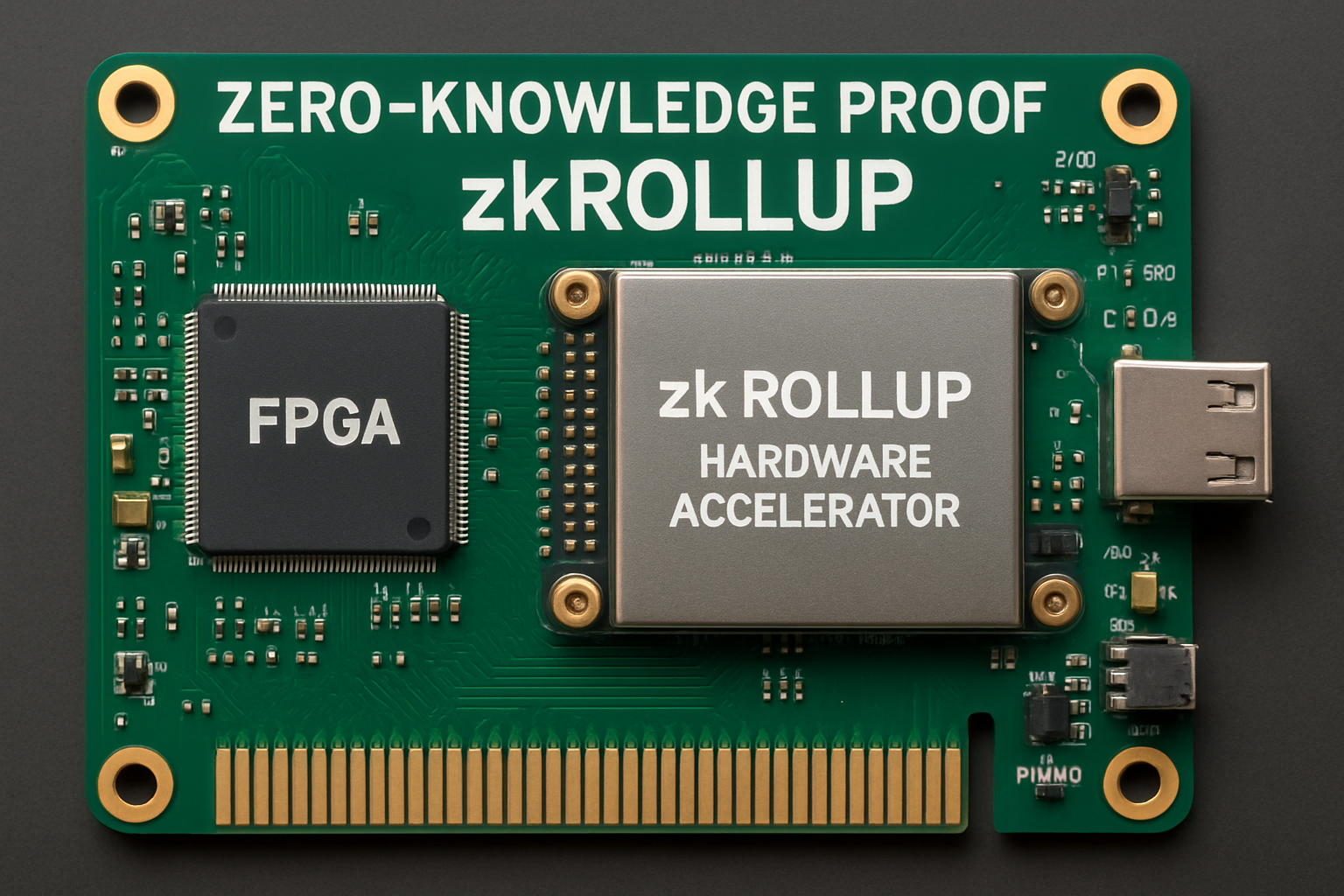
To address these hurdles, the zk ecosystem is embracing hardware acceleration. Field-Programmable Gate Arrays (FPGAs) have emerged as a favorite due to their balance of performance, cost, and energy efficiency. According to recent benchmarks, the K10 FPGA miner can achieve 7,000 proofs per second, dramatically outpacing traditional GPU setups. This leap isn’t just incremental, it’s transformative for networks seeking to process thousands of transactions with low latency and at scale.
Dedicated accelerators like zkPHIRE are also making waves. By efficiently handling complex, high-degree gates using protocols such as SumCheck, zkPHIRE delivers over 1,000x speedup compared to CPU-only approaches. Meanwhile, community-driven solutions like CrowdProve leverage distributed networks of commodity hardware, democratizing proof generation and challenging the dominance of centralized data centers.
How Hardware Acceleration Supercharges ZK Rollup Scalability
The impact of zero-knowledge hardware acceleration on zk rollup scalability is profound. Here’s what matters most for blockchain builders and users:
Key Benefits of Zero-Knowledge Hardware Accelerators
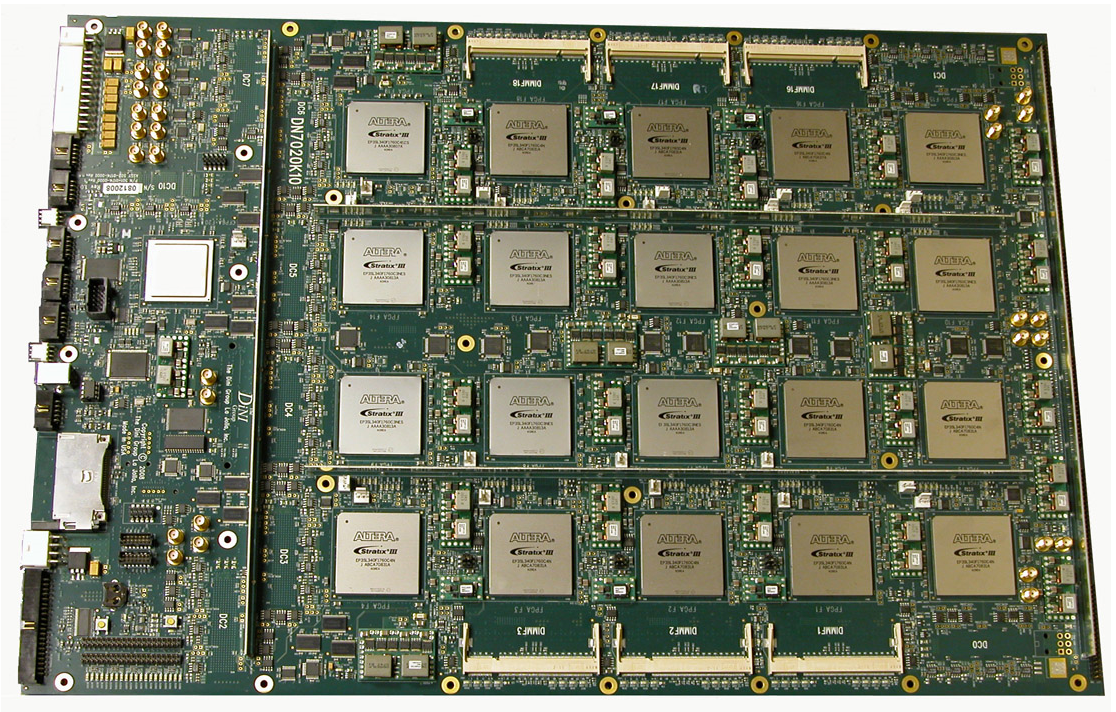
- Significantly Increased Throughput: Hardware accelerators like FPGAs and dedicated ZK proof chips enable ZK rollups to process thousands of transactions per second, far surpassing traditional CPU or GPU setups. For example, the K10 FPGA miner has demonstrated throughput of 7,000 proofs per second, unlocking mass adoption potential for blockchain applications.
- Reduced Proof Generation Costs: By offloading computationally expensive proof generation to specialized hardware, ZK rollups can dramatically lower operational expenses. This makes solutions like zkSync Era and Polygon zkEVM more affordable for both developers and users, reducing reliance on costly cloud resources.
- Enhanced Energy Efficiency: Compared to GPUs, FPGAs and other dedicated accelerators are more energy-efficient, lowering the environmental footprint of ZK proof generation and making sustainable scaling possible.

- Improved Security and Robustness: Hardware acceleration can strengthen the integrity and confidentiality of ZK proofs by reducing the attack surface and enabling tamper-resistant designs, crucial for applications requiring high security.
- Scalable Community Proving: Initiatives like CrowdProve leverage distributed networks of commodity hardware, enabling scalable, decentralized proof generation that can match or surpass the performance of centralized systems, fostering greater inclusivity and resilience.
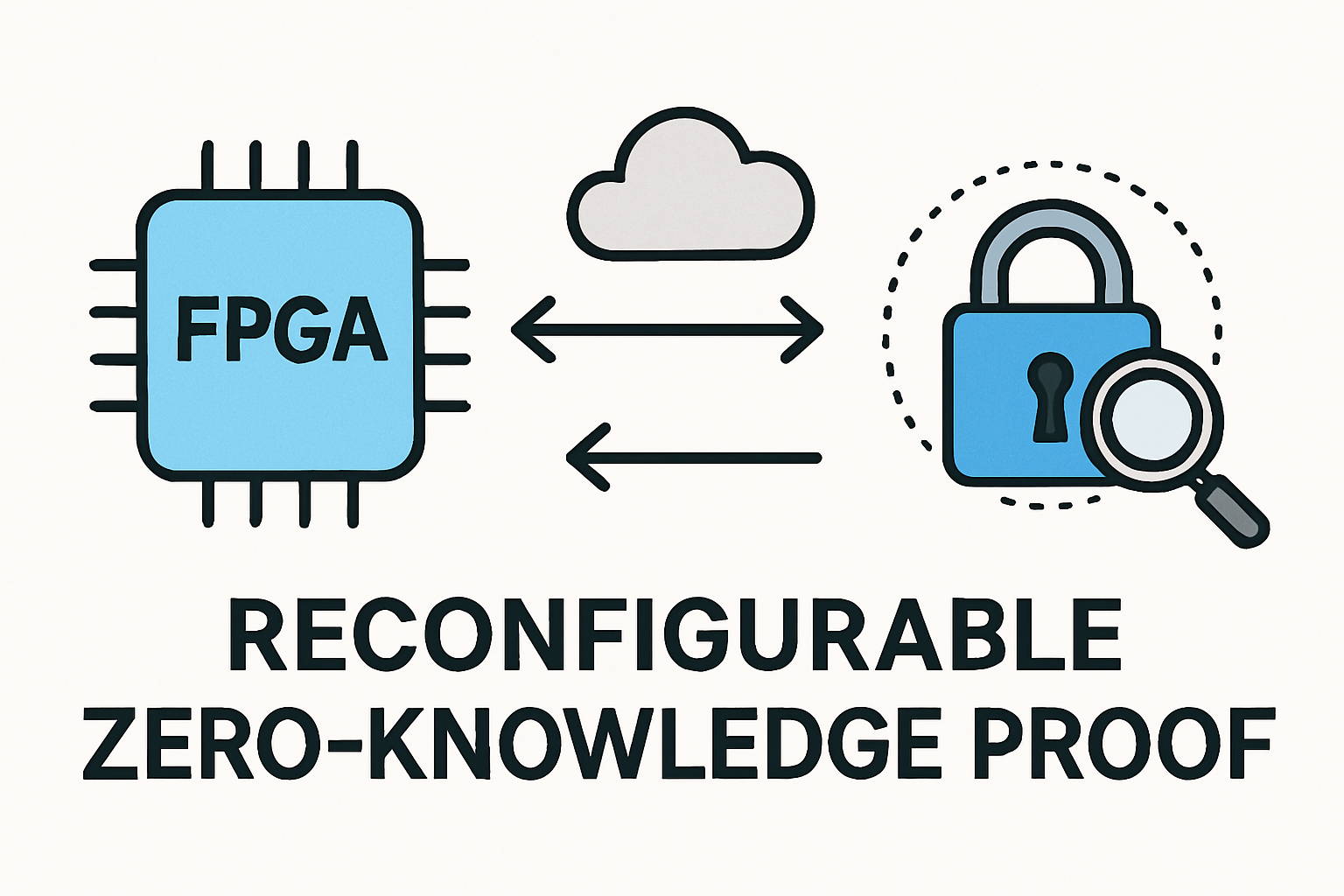
- Future-Proof Flexibility: Modern hardware accelerators, especially FPGAs, offer reconfigurability to support evolving cryptographic standards, ensuring ZK rollup solutions remain adaptable as protocols advance.
Increased throughput means more transactions per second, making blockchain applications competitive with traditional fintech rails. Reduced operational costs: thanks to efficient proof generation, make zk rollups accessible to a broader range of projects and users. Perhaps most importantly, enhanced security from robust hardware designs preserves the privacy and integrity of every transaction.
Real-World Examples: Cysic and Community Proving
Innovators like Cysic hardware are pushing the boundaries of zk proof acceleration, integrating custom silicon and FPGAs to slash proof times and energy usage. Community proving initiatives, such as CrowdProve, show that distributed networks of everyday machines can collectively match or even outperform centralized accelerators, offering resilience and decentralization without sacrificing speed.
As we move deeper into this hardware-powered era of scalable zk rollups, the convergence of performance, cost efficiency, and cryptographic assurance is setting a new standard for blockchain infrastructure. In the next section, we’ll dig into the engineering challenges, security considerations, and what these advances mean for the future of decentralized applications.
Engineering Trade-offs: Balancing Flexibility, Security, and Standardization
Despite the remarkable progress in zero-knowledge hardware, several engineering trade-offs shape the landscape. FPGAs offer a sweet spot between flexibility and performance, but optimizing them for evolving zk proof systems demands deep expertise. Hardware designs must not only accelerate today’s zkSNARKs and zkSTARKs, but also remain adaptable as cryptographic primitives advance. ASICs promise even greater speed and energy savings, yet their inflexibility and high upfront costs make them less attractive for a rapidly shifting ecosystem.
Security is another critical dimension. Hardware accelerators, if not carefully architected, can introduce new attack surfaces. Side-channel attacks, where adversaries glean secrets from power consumption or electromagnetic emissions, are a real and present risk. As such, tamper-resistant chip design and rigorous hardware audits are essential to maintain the privacy guarantees at the heart of zero-knowledge proofs.
Finally, the lack of standardized benchmarks for zk hardware complicates procurement and integration decisions for enterprises, governments, and rollup operators. The industry is only beginning to develop certification processes that can guarantee both performance and security. Until these standards mature, early adopters must carefully vet vendors and solutions.
Looking Ahead: The Future of Scalable ZK Rollups
The next wave of scalable zk rollups will be defined by how well hardware acceleration is integrated into mainstream blockchain infrastructure. We’re already seeing a proliferation of open-source hardware designs and collaborative proving networks, reducing barriers for new projects. As cost curves continue to fall provides with zkSync Era’s proof generation at $1.87 per hour and Polygon zkEVM at $8.06 per hour: we can expect broader adoption not only in DeFi, but also in gaming, supply chain, and cross-chain bridges.
For developers and enterprises, the message is clear: investing in zero-knowledge hardware is no longer optional for those seeking to build truly scalable, privacy-preserving applications. As more teams adopt FPGAs, custom accelerators, and distributed proving networks, the performance gap between legacy blockchains and zk-powered systems will only widen.
Ultimately, zero-knowledge hardware acceleration is not just a backend upgrade, it’s a catalyst for new business models and decentralized experiences. From near-instant settlement to confidential smart contracts, the infrastructure being built today will define what’s possible for the next decade of blockchain innovation.
Curious how zk rollups are already enhancing privacy for DeFi applications? Learn more in our deep dive: How zk rollups improve privacy for decentralized finance (DeFi) applications.


No comments yet. Be the first to share your thoughts!