
Why zero-knowledge proofs matter in 2026
Zero-knowledge proofs (ZKPs) have moved from academic cryptography labs to the backbone of institutional finance. In 2026, the technology is no longer a speculative experiment but a production-grade infrastructure layer. This shift is driven by a simple reality: enterprises need to verify transactions without exposing sensitive data. For the first time, ZKPs offer a scalable way to maintain privacy while satisfying regulatory scrutiny.
The demand stems from the limitations of traditional transparency. Public ledgers reveal too much, while private systems lack auditability. ZKPs bridge this gap by allowing a prover to demonstrate the validity of a statement—such as a transaction exceeding a minimum balance—without revealing the underlying details. This capability is critical for high-stakes environments where data leakage can mean regulatory fines or competitive loss.
Adoption is accelerating as major networks integrate native verification. The XRP Ledger, for example, recently partnered with Boundless to bring native ZKP verification to its chain, enabling institutions to validate transactions without exposing sender, receiver, or amount data. Similarly, the ZKProof standards initiative continues to drive open-industry consensus, ensuring that these cryptographic tools are interoperable and secure across different financial platforms.
The scalability of these proofs is the final hurdle cleared. Early ZK systems were computationally expensive, making them impractical for high-frequency trading or large-scale settlements. New architectures now allow for rapid proof generation and verification, reducing costs and latency to levels suitable for everyday enterprise use. This efficiency is what transforms ZKPs from a niche security tool into a fundamental component of the 2026 financial stack.
How ZK-Rollups Scale Transactions
ZK-Rollups handle high-throughput transactions by batching hundreds of transfers into a single cryptographic proof. Instead of processing every transaction on the main Ethereum chain, off-chain sequencers execute the computations and generate a ZK validity proof. This proof is submitted to the Ethereum mainnet, allowing the network to verify the entire batch's integrity instantly without re-executing the individual transactions.
This mechanism solves the scalability trilemma by keeping gas fees low while maintaining the security guarantees of the underlying layer. The prover generates the proof once, and the verifier checks it once, regardless of whether the batch contains ten or ten thousand transactions. As a result, users experience near-instant finality and fractions of a cent in fees, making high-frequency trading and micro-transactions economically viable for the first time.
The dominance of ZK-Rollups in 2026 is driven by their ability to scale without compromising decentralization. Unlike optimistic rollups, which require a challenge period to detect fraud, ZK-Rollups provide immediate finality because the cryptographic proof guarantees correctness. This makes them the preferred infrastructure for enterprise applications that require predictable latency and strict compliance standards.
The correlation between ZK-Rollup adoption and Ethereum's network health is evident in the chart above. As more activity migrates to layer-2 scaling solutions, the main chain serves primarily as a settlement layer, reducing congestion and stabilizing base fees. This architectural shift positions ZK-Rollups as the backbone of scalable blockchain infrastructure.
Enterprise integration and privacy use cases
Zero-knowledge proofs are moving beyond speculative crypto use cases into regulated industries where privacy and compliance intersect. Finance, healthcare, and identity verification sectors are adopting ZKP technology to satisfy strict data protection laws without sacrificing the transparency required by auditors. This shift allows organizations to prove compliance or eligibility without exposing the underlying sensitive data.
In finance, the focus is on transactional privacy. The XRP Ledger recently integrated with Boundless to bring native ZKP verification to its network. This integration enables institutions to validate transactions without revealing amounts, senders, or receivers, addressing a long-standing gap in enterprise blockchain adoption where public ledgers traditionally exposed too much financial detail.
Healthcare and identity sectors are using ZKPs to verify eligibility without sharing medical records or personal identifiers. Google has contributed open-source ZKP libraries to promote privacy in age assurance, allowing systems to verify that a user meets a minimum age requirement without revealing their actual date of birth or identity. This approach minimizes data exposure while maintaining security standards.
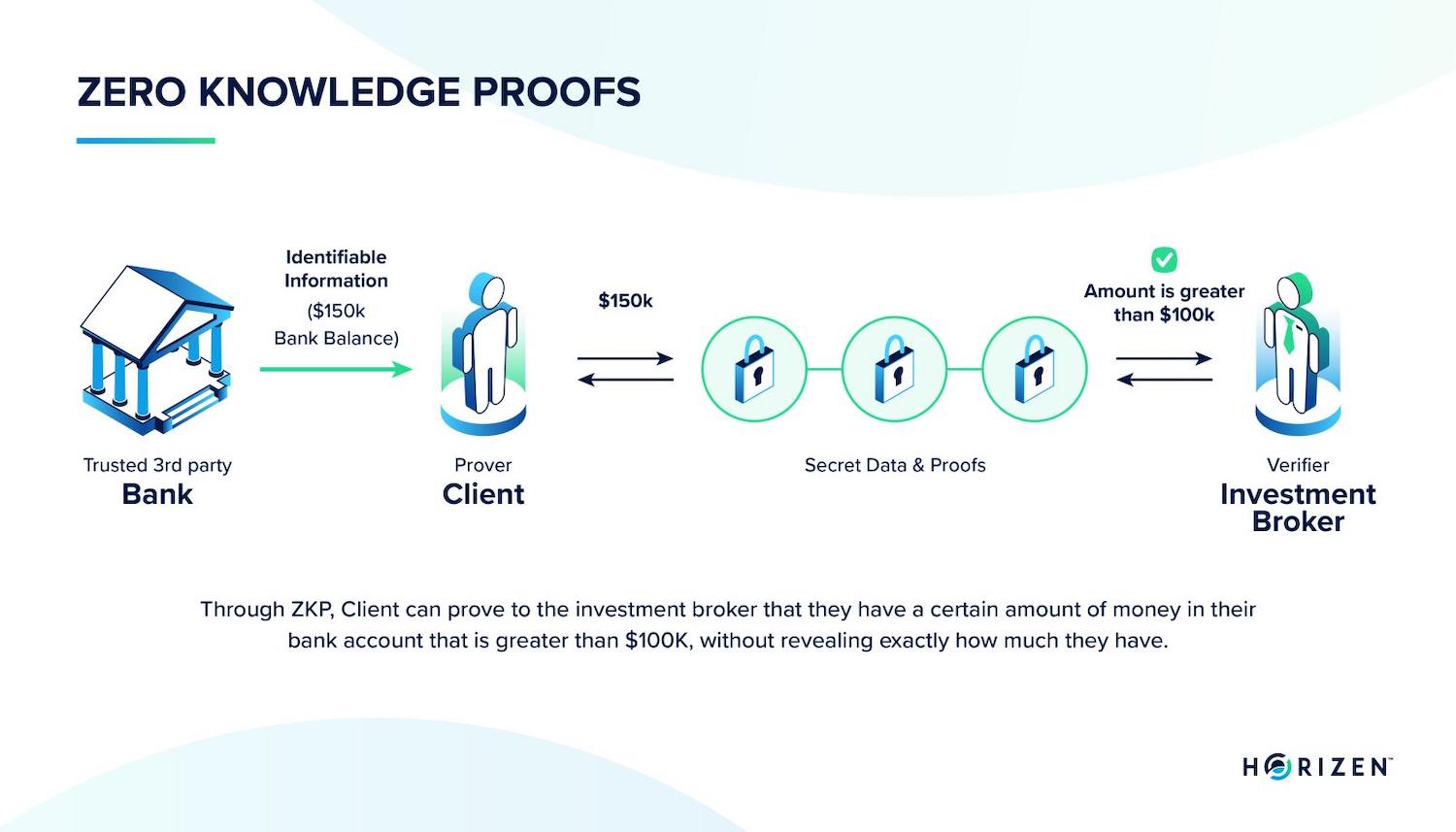
The following comparison highlights the operational difference between traditional verification methods and zero-knowledge proofs in enterprise contexts.
| Feature | Traditional Ledger | ZK-Proof Verification |
|---|---|---|
| Data Exposure | Full transaction details visible | Only validity proven |
| Computational Cost | Low | Higher (proof generation) |
| Compliance | Auditable but public | Auditable and private |
Checklist for enterprise ZKP adoption
- Assess regulatory requirements for data minimization.
- Evaluate existing infrastructure for ZKP compatibility.
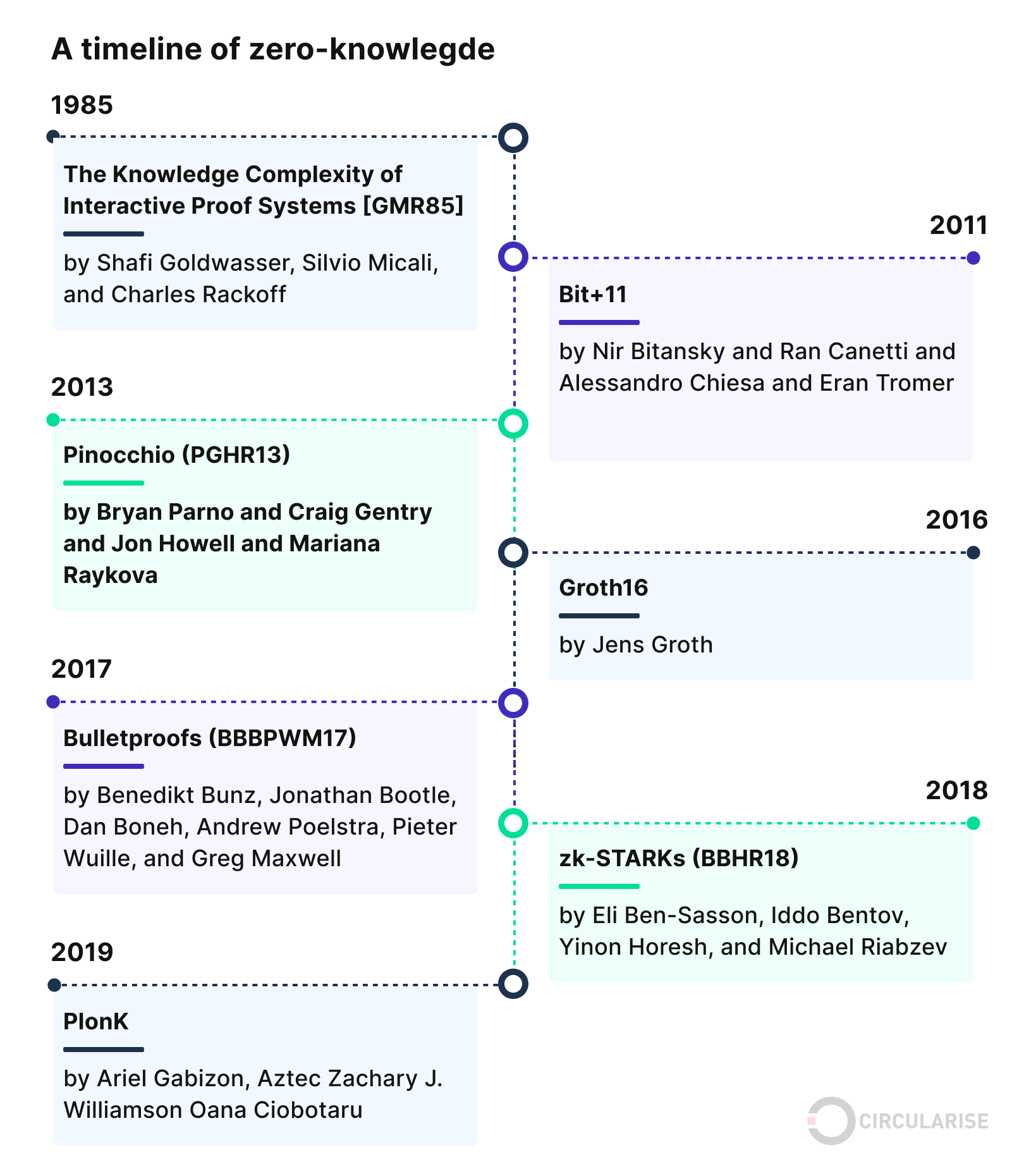
- Select appropriate ZKP protocols (e.g., SNARKs, STARKs).
- Test proof generation and verification performance.
- Plan for key management and proof storage strategies.
Key platforms adopting ZK technology
The shift from experimental pilots to production infrastructure is now visible across major blockchain networks. In 2026, the primary keyword phrase "zero-knowledge proofs" has moved beyond theoretical whitepapers into active ledger verification, driven by platforms that require institutional-grade privacy without sacrificing public auditability.
The Ethereum ecosystem continues to lead this transition. As the foundational layer for most ZK-rollup architectures, Ethereum’s native support for ZKP verification allows layer-2 solutions to scale throughput while settling security on the main chain. This integration is not just about speed; it is about creating a scalable environment where private transactions can coexist with public settlement.
Meanwhile, the XRP Ledger has taken a distinct path by integrating with Boundless to bring native ZKP verification directly to the ledger. This development allows institutions to validate transactions without revealing amounts, senders, or receivers, addressing a critical barrier for traditional finance adoption. Unlike permissionless rollups, this native integration embeds privacy into the base layer, offering a different architectural approach to scalable privacy.
These platforms demonstrate that zero-knowledge proofs are no longer a niche cryptographic curiosity but a standard requirement for enterprise blockchain infrastructure. The market traction is evident in the technical choices made by these networks, signaling a broader industry shift toward privacy-preserving scalability.
No comments yet. Be the first to share your thoughts!