Ethereum’s NFT marketplaces have long been at the mercy of high gas fees and network congestion, often pricing out new users and stifling innovation. As of October 2025, with Ethereum (ETH) trading at $4,692.01, the need for scalable NFT solutions is more urgent than ever. Enter zk rollups: a Layer 2 technology that is fundamentally reshaping how NFT platforms operate on Ethereum by drastically reducing costs and boosting transaction throughput.
Why Do NFT Marketplaces Need zk Rollups?
The explosive growth of NFTs has exposed critical limitations in Ethereum’s base layer. Each NFT mint or trade on Layer 1 requires a separate transaction, resulting in network congestion and unpredictable fees, especially during periods of high activity. For creators and collectors alike, these constraints have made broad participation in digital art, gaming assets, and collectibles financially challenging.
zk rollups (zero-knowledge rollups) aggregate thousands of transactions off-chain and submit them as a single batch to the mainnet. Using cryptographic validity proofs to ensure security, zk rollups minimize the amount of data stored on-chain without sacrificing trustlessness or transparency. This approach slashes gas costs while maintaining Ethereum’s security guarantees, an essential breakthrough for NFT marketplaces seeking mainstream adoption.
"zk-Rollups enable efficient and secure transactions of non-fungible tokens, making trading more accessible and less expensive. "
How zk Rollup Technology Transforms NFT Marketplaces
The impact of zk rollup technology is already visible across several major platforms:
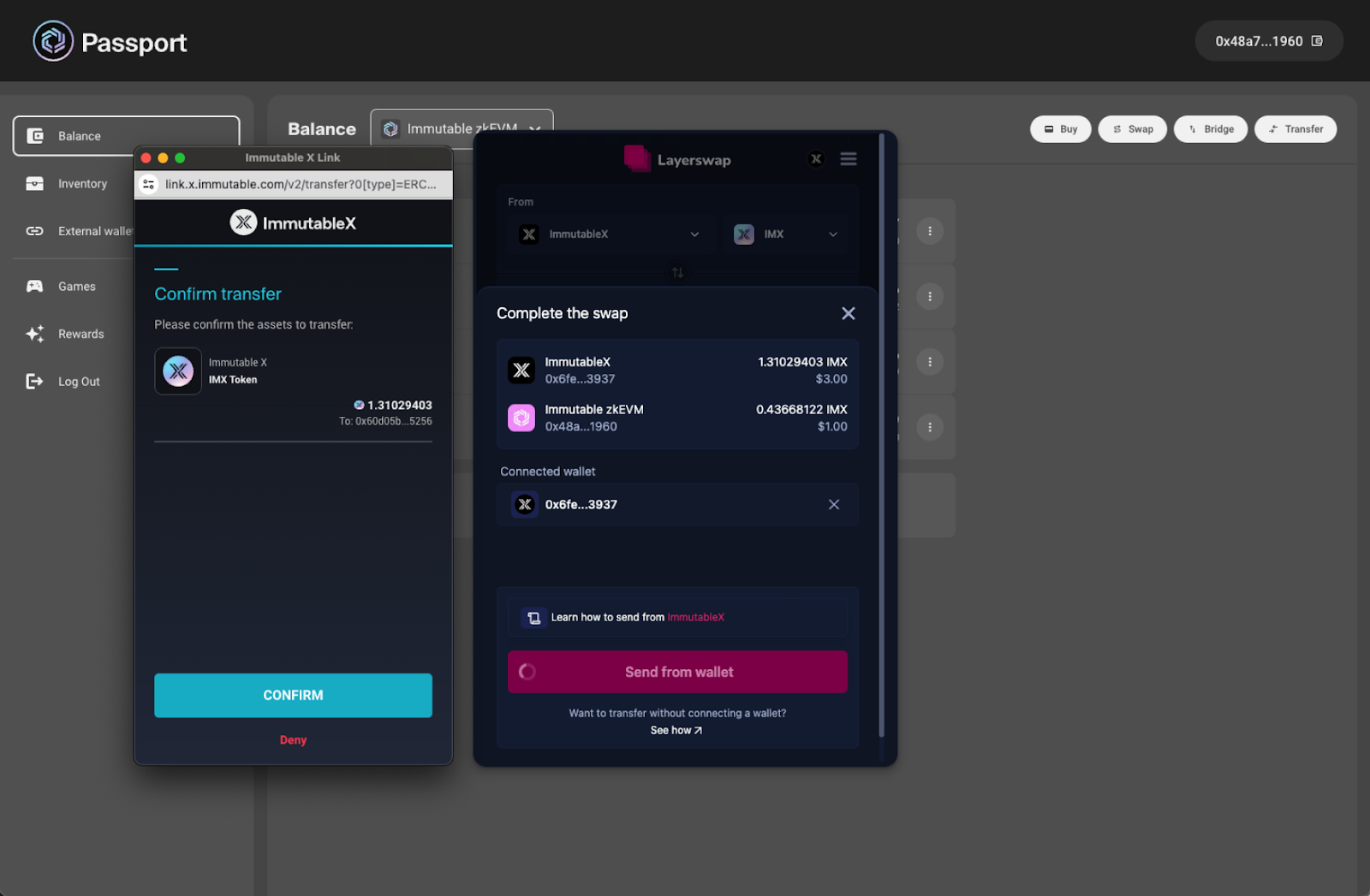
- Immutable X: Leveraging zk rollups to process over 9,000 transactions per second, Immutable X offers instant trade confirmation and near-zero gas fees for minting/trading NFTs. This has allowed projects like Sorare to onboard thousands of users without bottlenecks or prohibitive costs (source).
- ZKBox: As one of the first dedicated ZK rollup-based NFT protocols, ZKBox enables free and timely minting services, users can mint or transfer NFTs on Layer 2 with no gas fees (source).
- zkSync Era: By cutting minting costs by up to 99%, platforms using zkSync Era have brought average per-NFT fees down to under $1 (source). This cost reduction is a game changer for artists launching large collections or experimenting with new formats.
The result? NFT marketplaces are now able to scale user activity without compromising speed or affordability. The improved economics mean more creators can participate in the ecosystem, and collectors aren’t deterred by unpredictable transaction costs.
The Mechanics: How zk Rollups Deliver Scalability and Security
Diving deeper into the technical side reveals why zk rollups for NFT marketplaces are so effective:
- Batched Transactions: Instead of recording every individual action (mint, bid, trade) directly on Ethereum’s mainnet, these actions are bundled together off-chain.
- Validity Proofs: A succinct cryptographic proof is generated off-chain that attests to the correctness of all bundled transactions; this proof is then posted to Layer 1.
- No Compromise on Security: Because only validity proofs, and not all raw data, are posted on-chain, users retain full security guarantees while enjoying lower fees.
- User Experience Gains: Faster confirmations mean buyers don’t wait minutes (or hours) for their purchases; artists can launch drops without worrying about failed mints due to network congestion.
This model also alleviates some longstanding pain points: bots exploiting slow block times during popular drops become less effective when confirmations are nearly instantaneous; meanwhile, the environmental impact per transaction drops significantly as fewer resources are required per operation.
As more NFT marketplaces adopt zk rollup technology, the competitive landscape is shifting. Platforms that fail to integrate scalable solutions risk losing both creators and collectors to rivals offering faster, cheaper, and more reliable user experiences. The cost savings are not trivial: with Ethereum (ETH) at $4,692.01, even modest reductions in gas fees can mean the difference between a thriving marketplace and one paralyzed by prohibitive transaction costs.
Top 5 zk Rollup NFT Platforms Scaling Ethereum in 2025
- Immutable X: The leading zk-rollup-based NFT marketplace, Immutable X offers instant trade confirmation and near-zero gas fees for minting and trading NFTs. Built on Ethereum, it processes over 9,000 transactions per second, making it a top choice for scalable NFT projects.
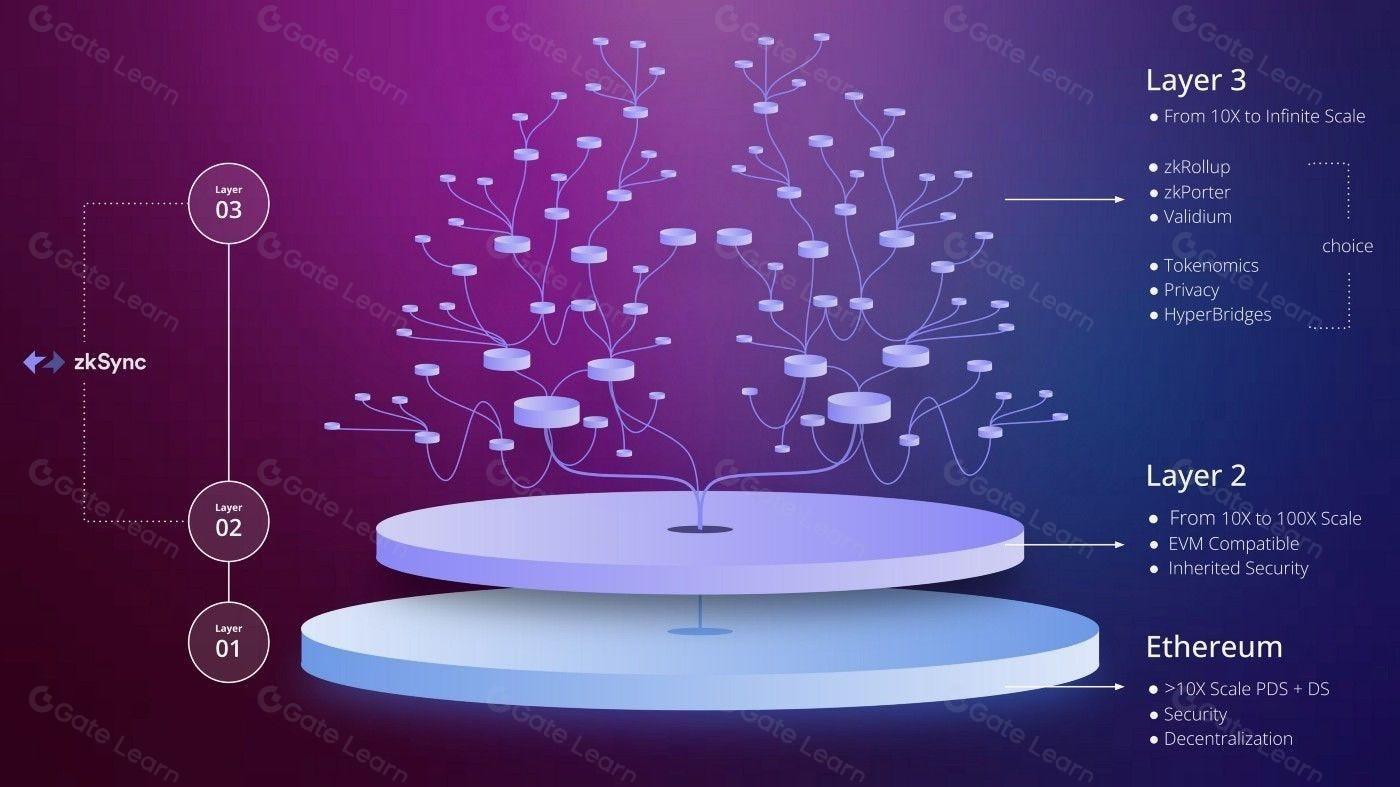
- zkSync Era: Developed by Matter Labs, zkSync Era brings 99% lower NFT minting costs (often under $1 per NFT) and fast transaction finality. Its robust Layer 2 infrastructure supports major NFT collections and marketplaces seeking affordable, high-throughput solutions.
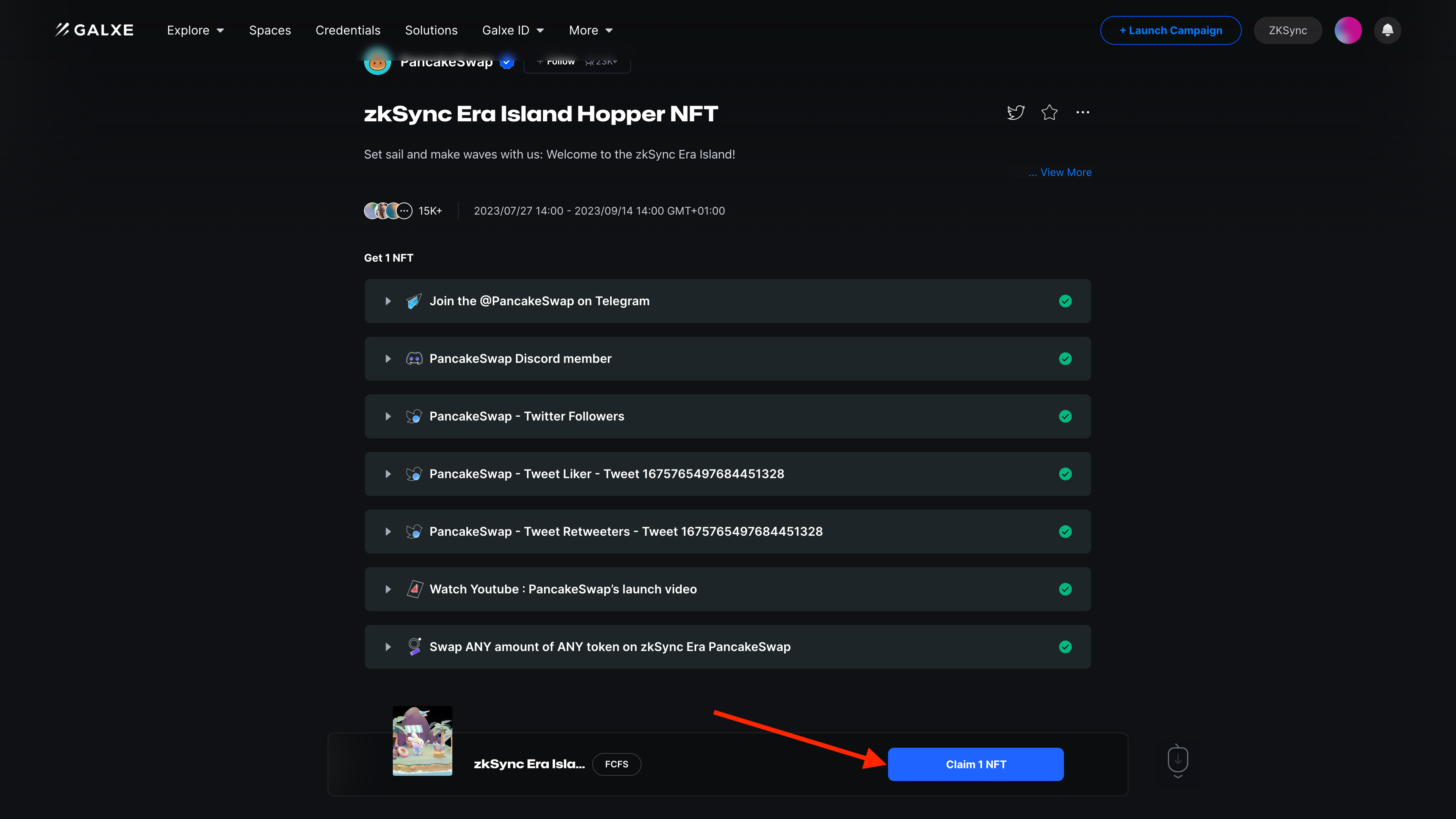
- ZKBox: Specializing in gas-free NFT minting and transfers, ZKBox leverages zk-rollup technology to allow users to mint, trade, and transfer NFTs on Layer 2 without gas fees. Its user-friendly platform is gaining traction among creators and collectors.
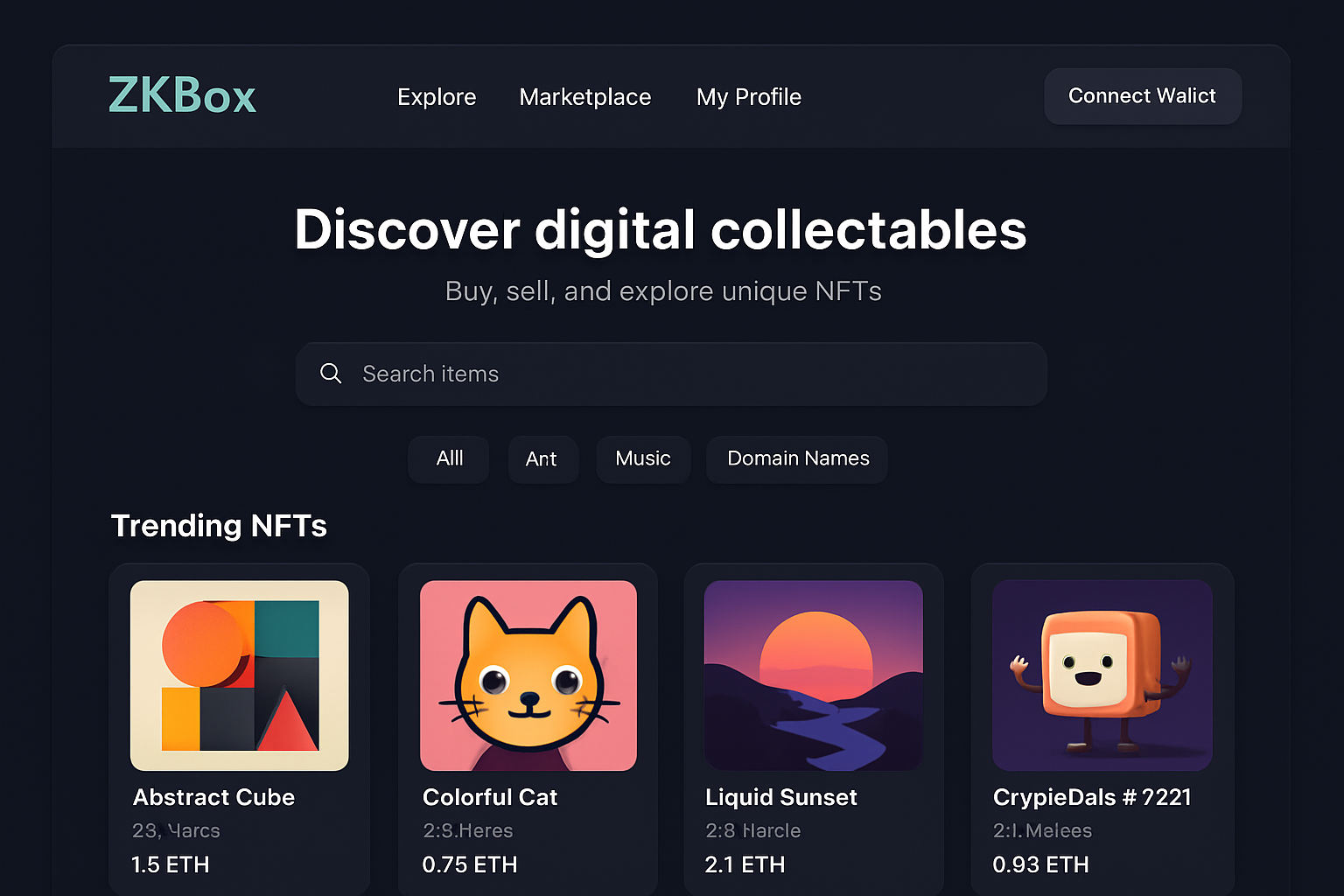
- Zecrey Legend: As the first zk-rollups-based Layer 2 NFT marketplace tailored for Web3 games, Zecrey Legend enables scalable, low-cost NFT interactions and seamless integration with gaming ecosystems.
- zkSpace: An all-in-one Layer 2 platform, zkSpace combines zk-rollups for payments, NFTs, and DEX functionality. Its NFT marketplace provides instant, low-cost transactions and supports a growing ecosystem of digital assets on Ethereum.
For developers, zk rollups open new design space for innovative features. Programmable royalties, batch minting, and complex trading logic become feasible without burdening users with exorbitant fees. This is especially relevant for gaming and metaverse projects where NFTs represent dynamic assets or in-game items that require frequent transfers. Protocols like Zecrey Legend are already leveraging zk rollups to power NFT interactions for Web3 games, demonstrating how Layer 2 scaling is foundational for the next generation of decentralized applications.
Challenges and Considerations
No technology is a panacea, and zk rollups present their own set of challenges. The cryptographic proofs that underpin security are computationally intensive to generate, which can pose integration hurdles for less-resourced teams. Additionally, while most leading protocols have robust interoperability with Ethereum Layer 1, bridging assets between L1 and L2 can still introduce friction or delays if not properly designed.
Another consideration is user education: many NFT participants remain unaware of Layer 2 options or how to interact with them safely. As the ecosystem matures, onboarding flows must be simplified so that users can benefit from lower fees without navigating technical complexity.
"The future of NFTs on Ethereum depends on sustainable scalability, and zk rollups are leading the charge. "
What’s Next for zk Rollup-Powered NFT Marketplaces?
The pace of innovation in zk rollups NFT marketplaces shows no sign of slowing down. With projects like Immutable X and ZKBox setting new standards for throughput and cost efficiency, other players are racing to catch up or differentiate through unique features such as cross-chain compatibility or advanced privacy controls.
The broader trend is clear: as Ethereum’s mainnet remains congested, despite its current price strength at $4,692.01: the market will continue to reward solutions that deliver seamless scalability without sacrificing decentralization or security.
For creators considering their next collection drop or developers architecting an ambitious gaming universe, evaluating zk rollup-powered platforms is quickly becoming table stakes rather than a nice-to-have advantage. If 2024 was the year Layer 2 went mainstream for DeFi traders, 2025 is shaping up to be the breakthrough year for NFTs, fueled by zero-knowledge innovation.

No comments yet. Be the first to share your thoughts!