ZK Rollups Defined for 2026
A ZK rollup is a Layer 2 scaling solution that processes thousands of transactions off-chain and submits a single cryptographic proof to Ethereum mainnet. This architecture allows the base layer to verify the validity of all bundled transactions without re-executing them, resulting in significantly lower gas fees and higher throughput. Unlike other scaling methods, ZK rollups provide immediate finality; once the proof is accepted, the state is considered settled and immutable.
The core distinction between ZK rollups and Optimistic rollups lies in their security model and settlement timeline. Optimistic rollups assume transactions are valid by default and only require computation if a fraud proof is submitted during a challenge period, which can take days. In contrast, ZK rollups use zero-knowledge proofs—specifically SNARKs or STARKs—to mathematically guarantee correctness before the data is posted. This means users do not need to wait for a withdrawal period to access their funds, offering a user experience closer to centralized exchanges while maintaining the security guarantees of Ethereum.
As of 2026, the technology has matured beyond theoretical prototypes. Major networks like zkSync and Starknet have deployed these proofs at scale, proving that cryptographic verification can handle real-world transaction volumes efficiently. The choice between SNARKs and STARKs often comes down to trade-offs between proof generation speed and proof size, but both approaches share the same fundamental goal: compressing complex computation into a small, verifiable blob of data.
Leading ZK rollup projects compared
The ZK rollup landscape in 2026 is defined by a fundamental split in cryptographic approaches: STARKs versus SNARKs. This distinction dictates everything from security assumptions to developer tooling. StarkNet leads the STARK adoption curve, offering post-quantum security without a trusted setup, while zkSync and Polygon zkEVM rely on SNARKs, which offer smaller proof sizes but require initial setup ceremonies. Scroll occupies a middle ground, prioritizing EVM equivalence through a distinct execution environment.
Investors and developers must weigh these architectural differences against current ecosystem maturity. StarkNet’s EVM compatibility has improved significantly, but its native Cairo language remains a barrier for some. zkSync and Polygon zkEVM offer near-instant migration for Ethereum developers, making them attractive for existing DeFi protocols. Scroll’s unique approach aims for perfect EVM compatibility without complex tooling, though its ecosystem is still maturing compared to the older players.
The following comparison highlights the core technical and economic distinctions between the four dominant ZK rollup ecosystems. These metrics reflect the current state of each network’s technology stack and market position.
| Project | Prover Type | EVM Compatibility | TVL (Approx) | Primary Use Case |
|---|---|---|---|---|
| StarkNet | STARK | Partial (Cairo/EVM) | $400M+ | High-throughput DeFi & Gaming |
| zkSync | SNARK | High (ZK EVM) | $500M+ | Multi-chain Consumer Apps |
| Polygon zkEVM | SNARK | Full | $50M+ | Enterprise & DeFi Migration |
| Scroll | SNARK | Full | $300M+ | Native Ethereum Scaling |
Market performance and liquidity
Liquidity concentration remains a key risk factor in ZK rollups. While zkSync and StarkNet dominate total value locked (TVL), the actual usable liquidity for specific assets varies significantly. Investors should monitor on-chain volume rather than just TVL, as many protocols on newer rollups suffer from fragmented liquidity.
The following charts provide real-time market data for the native tokens of these ecosystems. Note that token prices often reflect broader market sentiment and speculation around ZK technology adoption, rather than just network usage metrics.
SNARKs versus STARKs: The Cryptographic Divide
The choice between zk-SNARKs (Succinct Non-Interactive Arguments of Knowledge) and zk-STARKs (Scalable Transparent Arguments of Knowledge) is not merely a preference for speed; it is a fundamental architectural decision that dictates a project’s security model, capital requirements, and long-term viability. In 2026, this divergence defines the two primary camps in the ZK rollup landscape.
The Efficiency of SNARKs
zk-SNARKs are the established standard for high-throughput applications where proof size and verification speed are paramount. They generate extremely small proofs (often under 200 bytes) that can be verified instantly on Ethereum. This efficiency allows for massive transaction batching, making SNARK-based rollups like zkSync and Scroll highly attractive for consumer-facing dApps that require low latency and minimal gas fees.
However, this efficiency comes with a significant caveat: the trusted setup. SNARKs require a initial ceremonial setup phase to generate public parameters. If the secret randomness (toxic waste) used in this setup is not properly destroyed, it could theoretically allow an attacker to forge proofs. While multi-party computation (MPC) ceremonies have mitigated this risk for major projects, the existence of the setup remains a centralization vector and a regulatory concern for institutions wary of trust assumptions.
The Transparency of STARKs
zk-STARKs, pioneered by StarkWare, offer a different tradeoff. They eliminate the trusted setup entirely, relying instead on collision-resistant hash functions. This makes them inherently transparent and post-quantum secure, as they are resistant to attacks from quantum computers that could break the elliptic curve cryptography used in SNARKs. For projects prioritizing long-term security and ideological transparency, STARKs provide a robust foundation.
The downside is scale. STARK proofs are significantly larger than SNARK proofs, often ranging from hundreds of kilobytes to megabytes. This increases the data availability burden on Ethereum’s Layer 1, leading to higher gas costs per transaction. While STARK-based projects like StarkNet have optimized their proving systems to make this viable, the tradeoff remains: you pay more in gas for the assurance of no trusted setup and quantum resistance.
Choosing the Right Proof System
For investors and developers, the decision hinges on the application’s priority. If the goal is maximum scalability and minimal user cost, SNARKs remain the pragmatic choice. If the goal is maximum security assurance and future-proofing against quantum threats, STARKs are the superior option. The market is not choosing one over the other; it is segmenting based on these technical realities.
Ecosystem maturity and developer tools
By 2026, the ZK rollup landscape has shifted from experimental proof generation to mature, production-grade infrastructure. The primary differentiator is no longer just raw throughput, but the developer experience (DX) and the depth of liquidity available on each chain. Platforms have bifurcated based on their underlying cryptographic proofs: SNARK-based chains like zkSync and Scroll offer faster finality and smaller proof sizes, while STARK-based networks like StarkNet prioritize quantum resistance and larger circuit capacities.
The tooling ecosystem has stabilized around standard EVM-compatible frameworks for SNARK chains, allowing developers to deploy Solidity smart contracts with minimal modification. StarkNet, utilizing its native Cairo language, offers a distinct but increasingly polished DX for high-compute applications. This divergence means that project selection in 2026 is less about choosing the "fastest" chain and more about matching the cryptographic proof system to the application's specific state complexity and security requirements.
Liquidity fragmentation remains the most significant challenge for new entrants. While major aggregators have improved cross-chain routing, capital remains siloed within individual rollups. For investors and builders, the health of an ecosystem is best measured by its total value locked (TVL) relative to its transaction volume, rather than simple user counts.
Selecting a ZK Rollup for Your Project
Choosing the right ZK rollup requires matching your application’s technical constraints to the specific proof system and ecosystem maturity of the layer-2 network. In 2026, the decision is no longer just about throughput; it is about compatibility, security guarantees, and developer tooling.
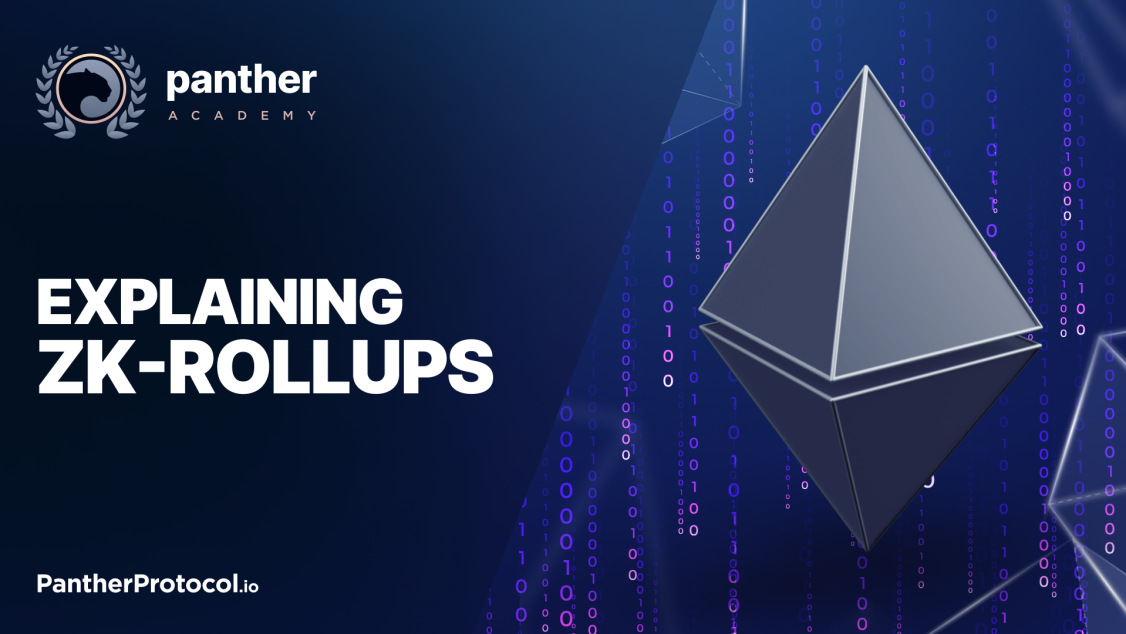
If your existing smart contracts are built on Solidity, prioritize rollups with native EVM equivalence. Solutions like zkSync Era allow for direct deployment of unmodified code, significantly reducing migration friction and audit risks compared to non-EVM alternatives.
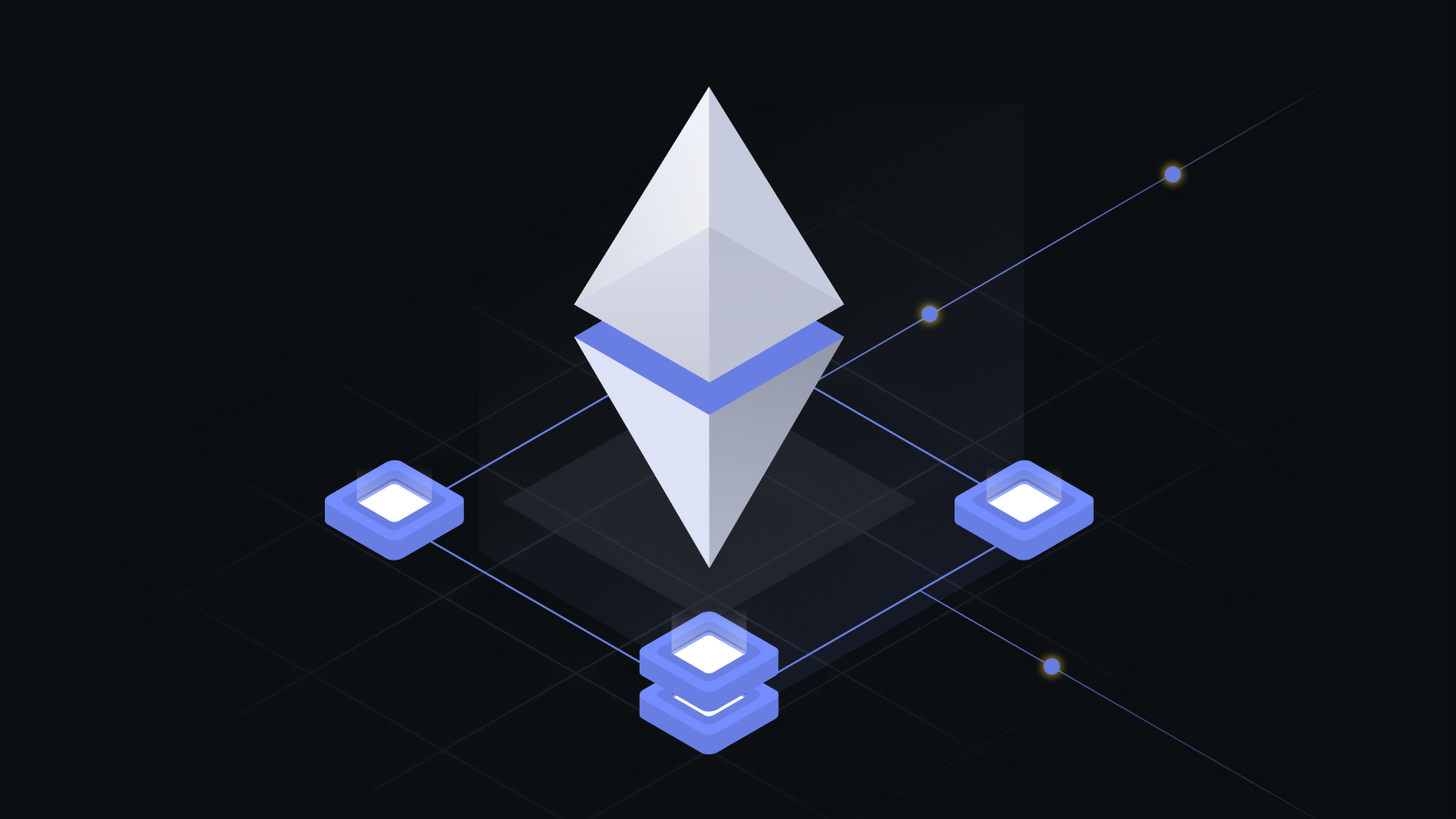
Decide between computational efficiency and quantum resistance. SNARK-based rollups offer smaller proof sizes and faster verification, ideal for high-frequency trading. STARK-based networks like StarkNet provide post-quantum security and larger public parameters, better suited for complex financial applications requiring long-term cryptographic assurance.
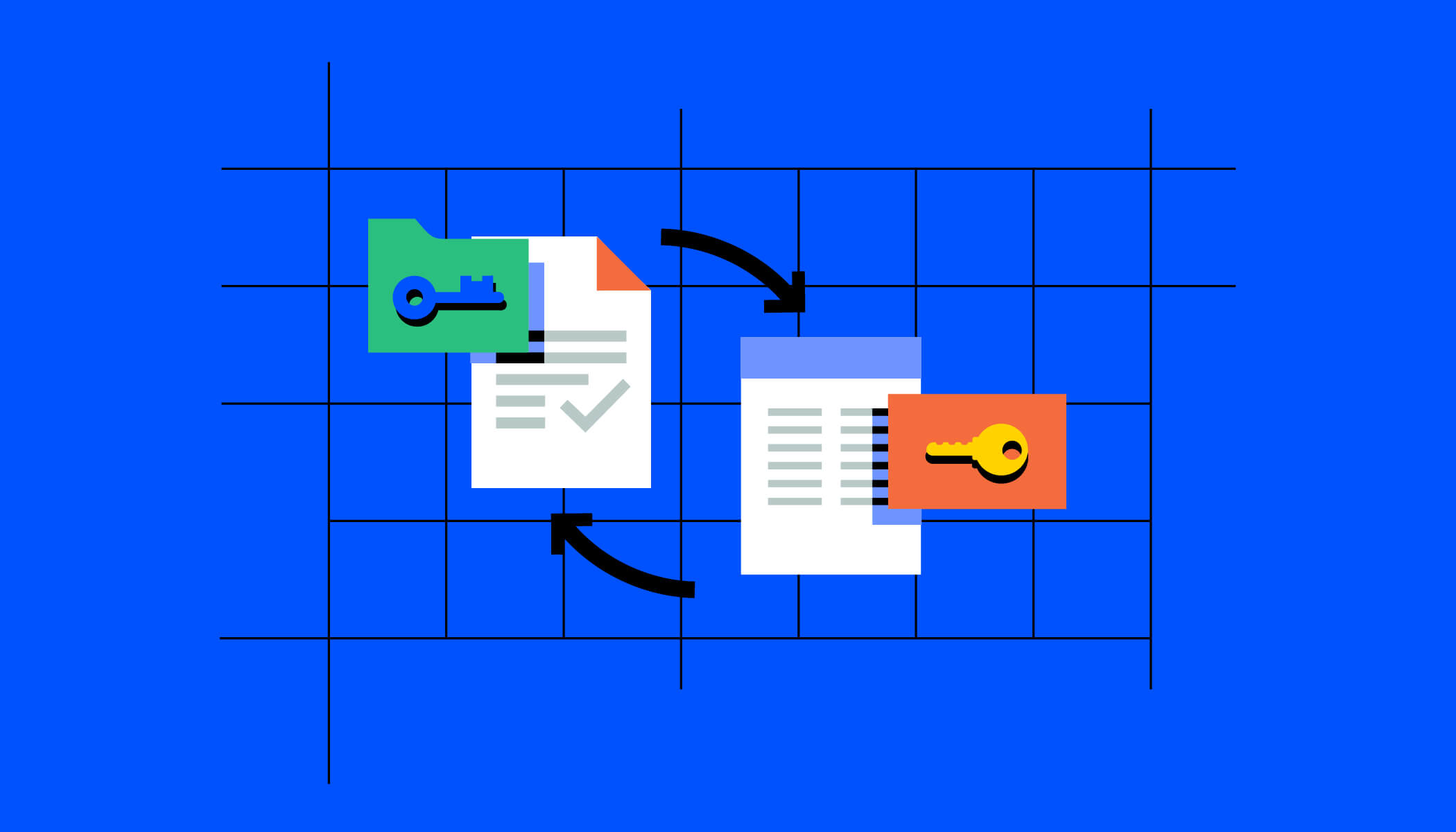
Liquidity fragmentation is a major risk for new projects. Analyze the total value locked (TVL) and active developer count on the target chain. A deeper ecosystem ensures better capital efficiency for DeFi protocols and a larger talent pool for hiring Solidity or Cairo developers.
| Best Use Case |
|---|
| EVM-native DeFi and consumer apps |
| High-throughput, complex smart contracts |
| EVM-equivalent migration with minimal overhead |
-
EVM compatibility verified
-
Security model matches risk tolerance
-
Liquidity depth sufficient for TVL goals
-
Developer tooling supports current stack
Common questions about ZK rollups
What does zk rollup mean?
A ZK rollup is a layer-2 scaling solution that processes transactions off-chain and posts a single validity proof to Ethereum. This approach significantly increases throughput while reducing fees, as the base layer only verifies the cryptographic proof rather than executing every individual transaction. The primary value proposition lies in maintaining Ethereum’s security guarantees while achieving near-instant finality and lower costs.
Does Bitcoin use ZKP?
Bitcoin does not natively use zero-knowledge proofs for its base layer consensus or transaction validation. However, ZKP technology is increasingly applied to Bitcoin via layer-2 protocols and sidechains to enable privacy and scalability. These implementations allow users to prove transaction validity or hide wallet balances without altering Bitcoin’s core protocol, bridging the gap between Bitcoin’s security and ZK’s efficiency.
Are ZK rollups better than optimistic rollups?
ZK rollups generally offer faster finality than optimistic rollups because they do not require a 7-day challenge period for fraud proofs. While optimistic rollups rely on economic incentives to detect invalid states, ZK rollups use mathematical proofs to guarantee correctness instantly. This makes ZK rollups more suitable for applications requiring immediate settlement, though they currently face higher computational costs for proof generation.
What is the difference between SNARKs and STARKs?
SNARKs (Succinct Non-Interactive Arguments of Knowledge) produce smaller proofs and are widely supported on Ethereum, but they often rely on a trusted setup. STARKs (Scalable Transparent Arguments of Knowledge) are quantum-resistant and do not require a trusted setup, but they generate larger proof sizes. The choice between them depends on whether a project prioritizes immediate Ethereum compatibility (SNARKs) or long-term security and transparency (STARKs).
No comments yet. Be the first to share your thoughts!