ZK Rollups 2026: The Enterprise Scaling Standard
Zero-knowledge (ZK) rollups have emerged as the definitive Layer 2 scaling solution for enterprise adoption in 2026. Unlike optimistic rollups, which assume transactions are valid until challenged, ZK rollups generate cryptographic proofs that verify every transaction offchain before settling on Ethereum. This fundamental difference provides immediate finality, a critical requirement for financial institutions that cannot tolerate the seven-day dispute window inherent in optimistic models.
The privacy and security architecture of ZK rollups aligns directly with regulatory compliance standards. By bundling thousands of transactions into a single proof, these networks achieve high throughput without exposing sensitive user data on the main chain. This capability allows enterprises to process high-volume operations while maintaining the immutable security guarantees of the Ethereum base layer.
As blockchain infrastructure matures, the shift toward ZK-based scaling is accelerating mainstream institutional adoption. The combination of cryptographic certainty and data privacy positions ZK rollups as the primary vehicle for integrating traditional finance with decentralized networks, marking a distinct departure from the speculative growth phases of previous years.
zkEVM vs Starknet Architecture
The 2026 landscape is defined by a sharp divergence between EVM-equivalent ZK rollups and non-EVM STARK-based systems. This split is not merely technical; it dictates developer accessibility, security assumptions, and enterprise integration paths. Understanding this architectural divide is essential for selecting the right scaling solution.
EVM-Equivalent Rollups: Compatibility First
Projects like zkSync Era and Polygon zkEVM prioritize Ethereum Virtual Machine compatibility. They generate ZK-SNARK proofs, which are smaller and faster to verify on-chain but require a trusted setup phase. This approach allows developers to deploy existing Solidity code with minimal modification, lowering the barrier to entry for enterprises already embedded in the Ethereum ecosystem.
The tradeoff is a reliance on elliptic curve cryptography, which faces theoretical threats from future quantum computing advancements. However, for immediate deployment and broad dApp compatibility, zkEVMs offer the most pragmatic path to scaling current infrastructure.
Starknet: STARKs and Non-EVM Design
Starknet takes a different route, utilizing STARK (Scalable Transparent Arguments of Knowledge) proofs. STARKs are quantum-resistant and do not require a trusted setup, offering stronger long-term security guarantees. However, Starknet uses Cairo, a domain-specific language, rather than Solidity. This requires developers to learn a new stack and adapt their logic, creating a steeper initial learning curve.
The choice between these architectures hinges on whether immediate compatibility or long-term cryptographic resilience is the priority for your specific use case.
| Project | Proof Type | EVM Compat | Target Use Case |
|---|---|---|---|
| zkSync Era | ZK-SNARK | Yes | General dApps |
| Polygon zkEVM | ZK-SNARK | Yes | Enterprise Migration |
| Starknet | STARK | No (Cairo) | High-Scale Apps |
Privacy-preserving smart contracts in finance
Institutional adoption of blockchain infrastructure demands more than throughput; it requires confidentiality. ZK rollups enable private smart contracts by generating cryptographic proofs that verify transaction validity without exposing the underlying data. This capability addresses a critical gap in public ledger transparency, allowing enterprises to comply with data protection regulations while maintaining an immutable audit trail.
Unlike optimistic rollups, which assume transactions are valid until challenged, ZK rollups prove correctness upfront. This distinction is vital for finance, where the exposure of sensitive trading data or customer identity information can lead to regulatory penalties or market manipulation. By keeping transaction details encrypted on-chain and only publishing the validity proof, ZK technology ensures that sensitive financial logic remains confidential.
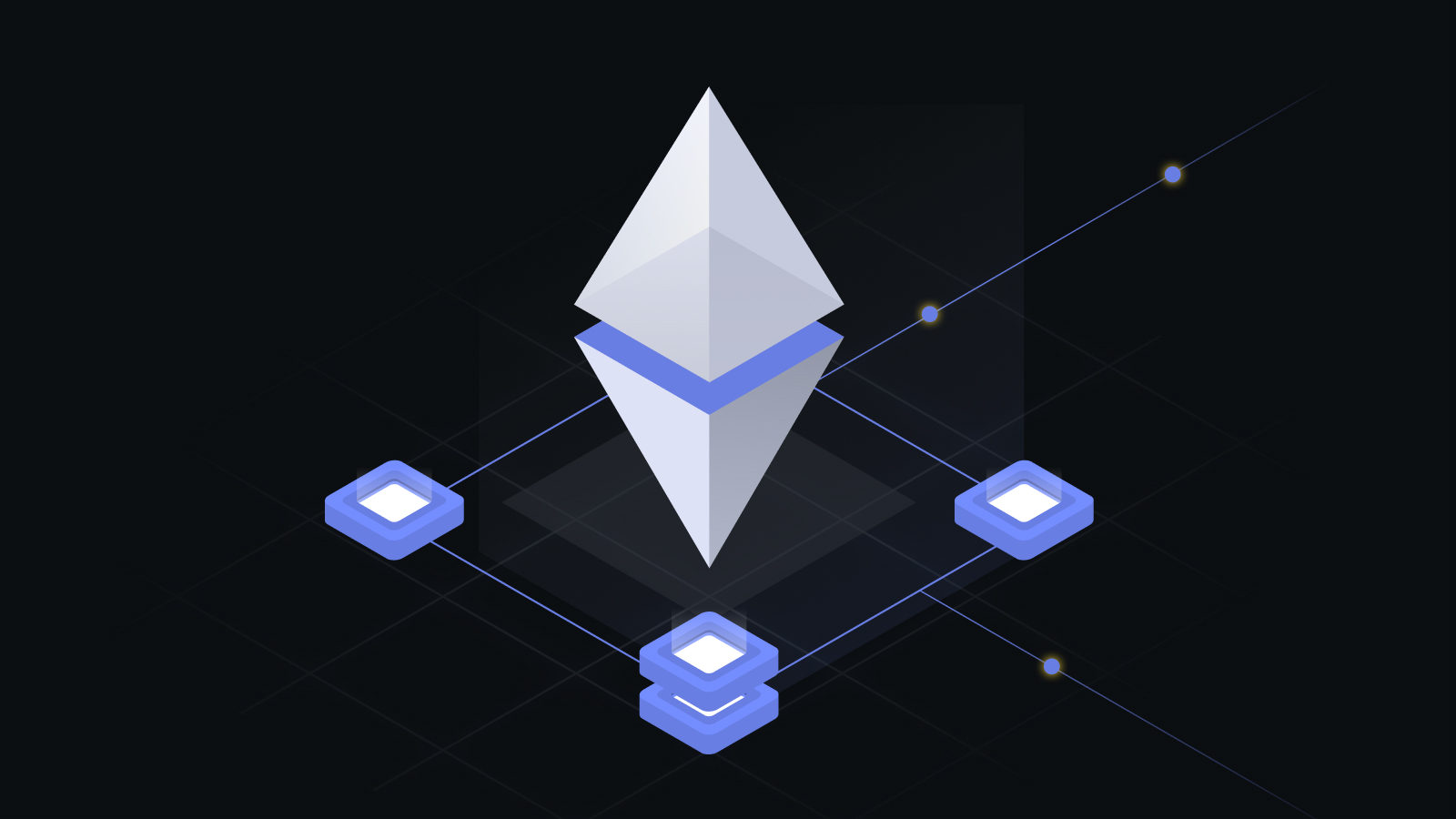
The implementation of private smart contracts facilitates complex financial instruments, such as confidential auctions and private lending pools. These applications rely on the ability to verify that conditions are met—such as sufficient collateral or bid precedence—without revealing the amounts or identities involved. As 2026 marks a period of clearer regulation, this privacy layer becomes a prerequisite for institutional-grade DeFi and tokenized assets.
Leading ZK Rollup Projects for 2026
The ZK rollup landscape in 2026 is defined by a divergence between general-purpose execution layers and specialized domain-specific chains. Enterprise adoption hinges on which projects deliver the necessary throughput, security guarantees, and developer tooling for production workloads.
Starknet
Starknet leverages STARK proofs to offer high throughput without the cryptographic overhead of SNARKs. Its Cairo programming language enables native parallel execution, making it a strong candidate for high-frequency trading and complex DeFi protocols that require low latency. The ecosystem has matured significantly, with robust tooling supporting institutional-grade applications.
Scroll
Scroll positions itself as a fully EVM-equivalent ZK rollup, prioritizing compatibility with existing Ethereum infrastructure. This approach lowers the barrier to entry for enterprises already invested in the Ethereum stack, allowing seamless migration of smart contracts and dApps. Its focus on decentralization and simplicity makes it a pragmatic choice for compliance-heavy financial institutions seeking immediate integration.
Polygon zkEVM
Polygon zkEVM combines the familiarity of the Ethereum Virtual Machine with the scalability of zero-knowledge proofs. By maintaining EVM equivalence, it allows developers to deploy existing code without modification while benefiting from reduced gas fees and faster finality. This balance of compatibility and performance has secured its place as a primary option for enterprises scaling tokenized assets.
Choosing the right ZK rollup for your stack
Use this section to make the ZK Rollups decision easier to compare in real life, not just on paper. Start with the reader's actual constraint, then separate must-have requirements from details that are merely nice to have. A practical choice should survive normal use, maintenance, timing, and budget. If a recommendation only works in an ideal situation, call that out plainly and give the reader a fallback path.
-
Verify the basicsConfirm the core specs, condition, and fit before comparing extras.
-
Price the downsideLook for the repair, maintenance, or replacement cost that would change the decision.
-
Compare alternativesCheck at least two comparable options before treating one listing as the benchmark.
No comments yet. Be the first to share your thoughts!