Why ZK-Rollups Matter in 2026
Zero-knowledge rollups have emerged as the dominant scaling narrative for 2026, shifting the industry's center of gravity away from optimistic rollups. While optimistic rollups rely on fraud proofs and time delays to ensure security, ZK-rollups use validity proofs to guarantee correctness instantly. This architectural difference allows ZK-rollups to offer finality and security that institutional investors and high-stakes financial applications require.
A ZK-rollup batches thousands of transactions offchain and settles them back to Ethereum using a single cryptographic proof. This process stores only a small amount of transaction data on the main chain, drastically reducing costs while maintaining the security guarantees of the underlying Layer 1. As blockchain technology accelerates into mainstream finance, this ability to scale without compromising on trust is becoming the primary driver for adoption.
The market is responding to this technological maturity. With Ethereum analysts projecting potential price movements above $5,000 in 2026 driven by institutional adoption and technological upgrades, the demand for efficient Layer 2 solutions is intensifying. ZK-rollups are positioned to capture this demand by providing the throughput necessary for complex DeFi interactions and tokenization at a fraction of the cost.
Comparing the Top ZK-Rollup Projects
Evaluating ZK-rollups requires looking past the marketing hype to the underlying proving systems and economic models. In 2026, the market has consolidated around three primary ecosystems: zkSync, StarkNet, and Polygon zkEVM. Each offers distinct technical trade-offs that dictate where capital and developers should allocate resources.
The choice between these platforms hinges on whether you prioritize EVM equivalence, raw computational throughput, or ecosystem maturity. zkSync focuses on seamless Ethereum compatibility using recursive SNARKs, making it the default choice for existing DeFi protocols seeking a drop-in upgrade. StarkNet leverages STARKs to handle complex, non-EVM workloads with higher security margins, appealing to projects requiring heavy computation. Polygon zkEVM sits in the middle, offering a fully EVM-equivalent environment backed by Polygon’s extensive enterprise partnerships.
The table below outlines the core technical and economic metrics for these leading contenders. Use this data to filter options based on your specific development constraints and target user base.
| Project | Proving System | EVM Compatibility | Est. TVL | Primary Use Case |
|---|---|---|---|---|
| zkSync | Recursive SNARKs | Full EVM Equivalent | $800M+ | DeFi & Consumer Apps |
| StarkNet | STARKs (Cairo) | Native (WASM) | $500M+ | High-Throughput & Gaming |
| Polygon zkEVM | zkEVM (Plonk) | Full EVM Equivalent | $300M+ | Enterprise & Institutional |
Market liquidity remains a critical differentiator. While StarkNet leads in unique active addresses for complex dApps, zkSync retains the highest total value locked (TVL) due to its strong DeFi integrations. Polygon zkEVM is rapidly growing its institutional footprint but currently trails in pure retail volume.
zk-SNARKs vs zk-STARKs Explained
The choice between zk-SNARKs and zk-STARKs determines the fundamental trade-off between proof size and trust assumptions. Both are zero-knowledge proofs, but they rely on different cryptographic primitives that impact transaction speed, data efficiency, and long-term security. Understanding this distinction is critical for evaluating which Layer 2 solution aligns with your risk tolerance and performance needs.
zk-SNARKs (Succinct Non-Interactive Arguments of Knowledge) produce extremely small proofs that are fast to verify. This efficiency makes them ideal for high-throughput environments where minimizing on-chain data storage is paramount. However, SNARKs require a trusted setup ceremony to generate initial parameters. If the secret randomness used in this setup is compromised or not properly discarded, the entire system’s security could be undermined. This reliance on a "trusted setup" introduces a one-time risk that must be managed carefully by the protocol operators.
zk-STARKs (Scalable Transparent Arguments of Knowledge) eliminate the need for a trusted setup entirely. They are based on collision-resistant hash functions rather than elliptic curve cryptography, making them quantum-resistant by design. While STARKs offer stronger security guarantees against future quantum computing threats, their proofs are significantly larger than SNARKs. This increased proof size can lead to higher gas costs for verification on Ethereum, potentially impacting transaction throughput and user experience compared to SNARK-based rollups.
The decision often boils down to whether you prioritize immediate efficiency or long-term, quantum-safe security. SNARKs dominate the current market due to their compact proof sizes, while STARKs are gaining traction among projects prioritizing transparency and quantum resistance. As infrastructure improves, the gap in proof size is narrowing, but the fundamental trade-off remains a key differentiator in 2026.
| Feature | zk-SNARKs | zk-STARKs |
|---|---|---|
| Proof Size | Small (KB range) | Large (MB range) |
| Trusted Setup | Required | Not Required |
| Quantum Resistance | No | Yes |
| Verification Speed | Fast | Slower (due to size) |
| Trust Model | Cryptographic setup | Hash-based transparency |
ZK-Rollups vs Optimistic Rollups
The choice between ZK-rollups and Optimistic rollups (such as Arbitrum and Optimism) ultimately comes down to a trade-off between immediate finality and computational efficiency. While both approaches settle on Ethereum, their security models and user experience differ significantly, particularly regarding how quickly funds become accessible.
Optimistic rollups assume transactions are valid by default. They rely on fraud proofs, which allow anyone to challenge a transaction within a dispute window—typically seven days. This delay means users must wait a full week before withdrawing funds from the Layer 2 back to Ethereum mainnet. ZK-rollups, by contrast, use validity proofs to cryptographically guarantee correctness before the state is posted on-chain. This eliminates the challenge period, offering near-instant withdrawal finality.
Critical Distinction: Optimistic rollups prioritize high throughput with a 7-day withdrawal wait. ZK-rollups prioritize security and speed, offering instant finality but requiring more complex proof generation.
This structural difference impacts how institutions and high-value traders interact with these networks. For applications requiring immediate liquidity or strict compliance with real-time settlement rules, ZK-rollups provide the necessary assurance. Optimistic rollups remain efficient for casual trading where the delay is an acceptable cost for lower gas fees and simpler development.
Choosing the Right ZK-Rollup for Your Project
Selecting a ZK-Rollup is a strategic decision that balances technical constraints against market positioning. In 2026, the landscape has fragmented into specialized ecosystems rather than a single dominant chain. Your choice should depend on whether your priority is raw throughput, EVM compatibility, or advanced privacy features.
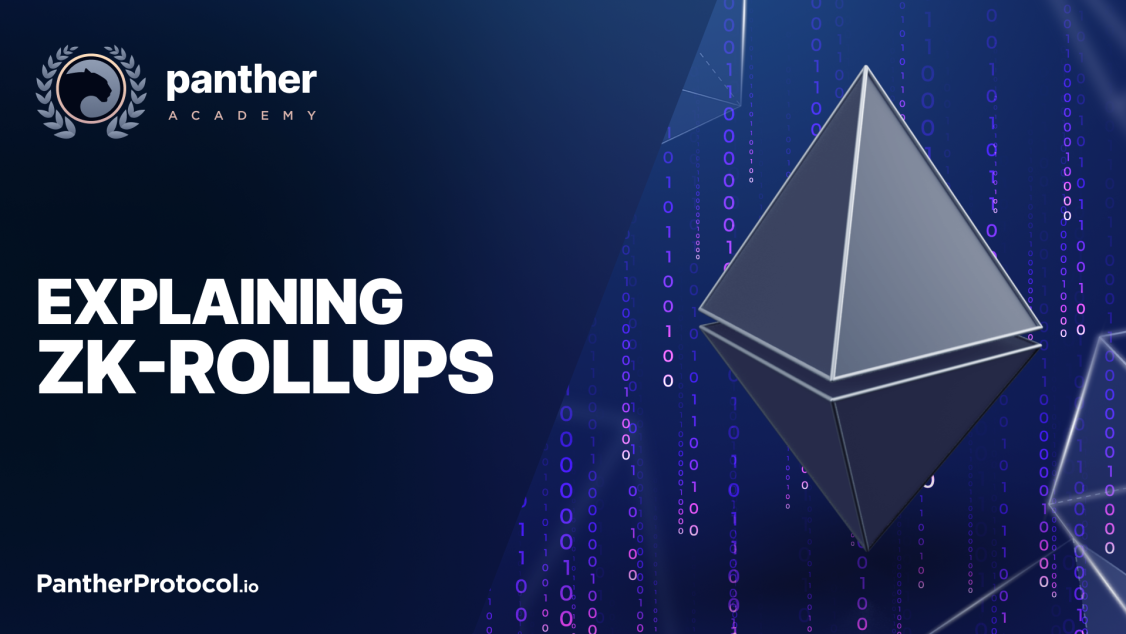
If your team relies on existing Solidity tooling and libraries, prioritize EVM-equivalent chains like zkSync or Scroll. This minimizes migration costs and allows you to deploy existing smart contracts with minimal refactoring. Non-EVM chains require rewriting code in Cairo or other languages, which increases development time and security risk.
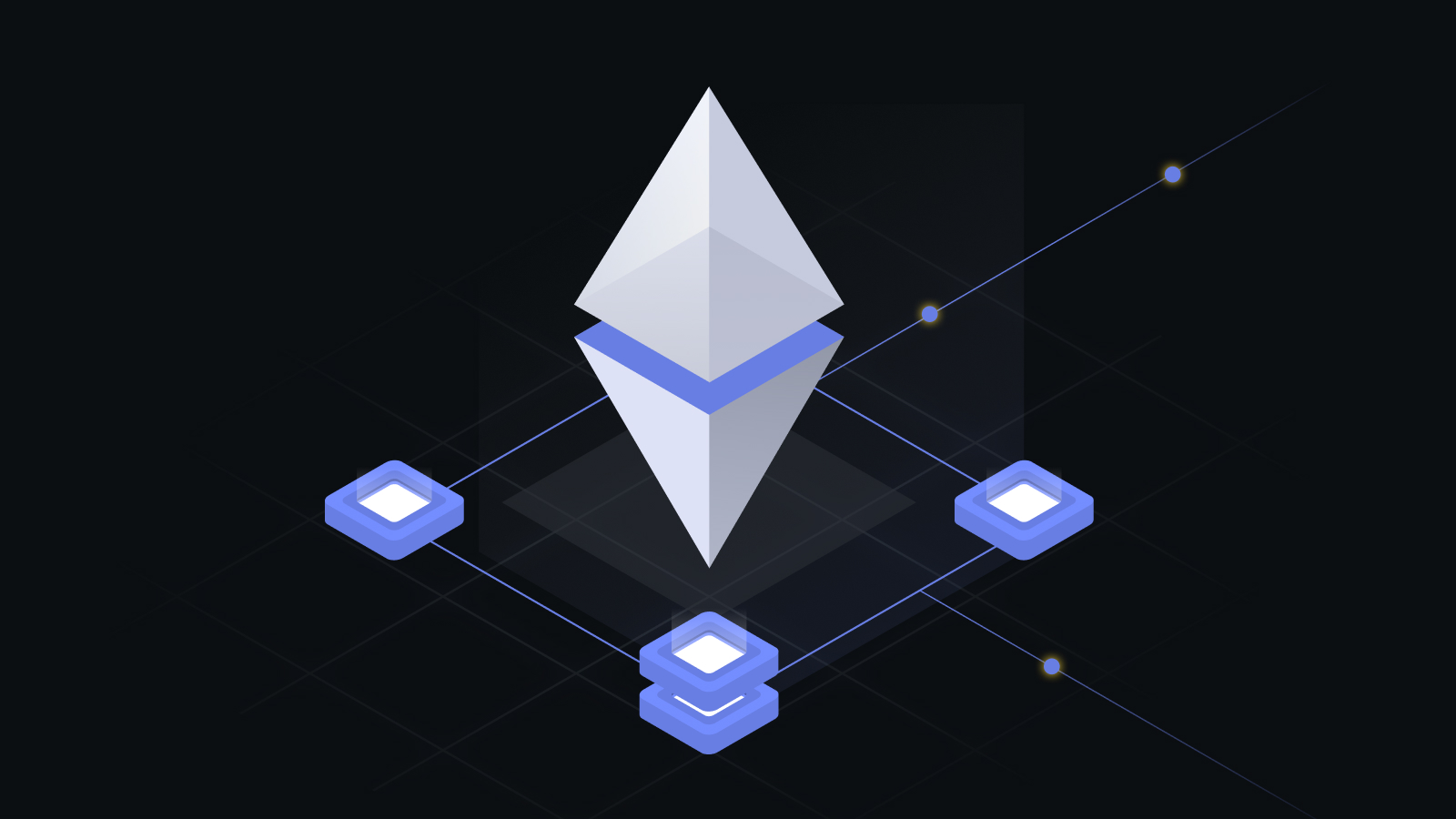
High-frequency applications such as gaming or micro-transactions require chains with the highest transaction throughput. StarkNet and zkSync Hyperchains offer distinct advantages here. StarkNet excels in custom VM efficiency, while zkSync Hyperchains provide modular scalability for consumer apps. Compare gas fees against your expected transaction volume to ensure economic viability.
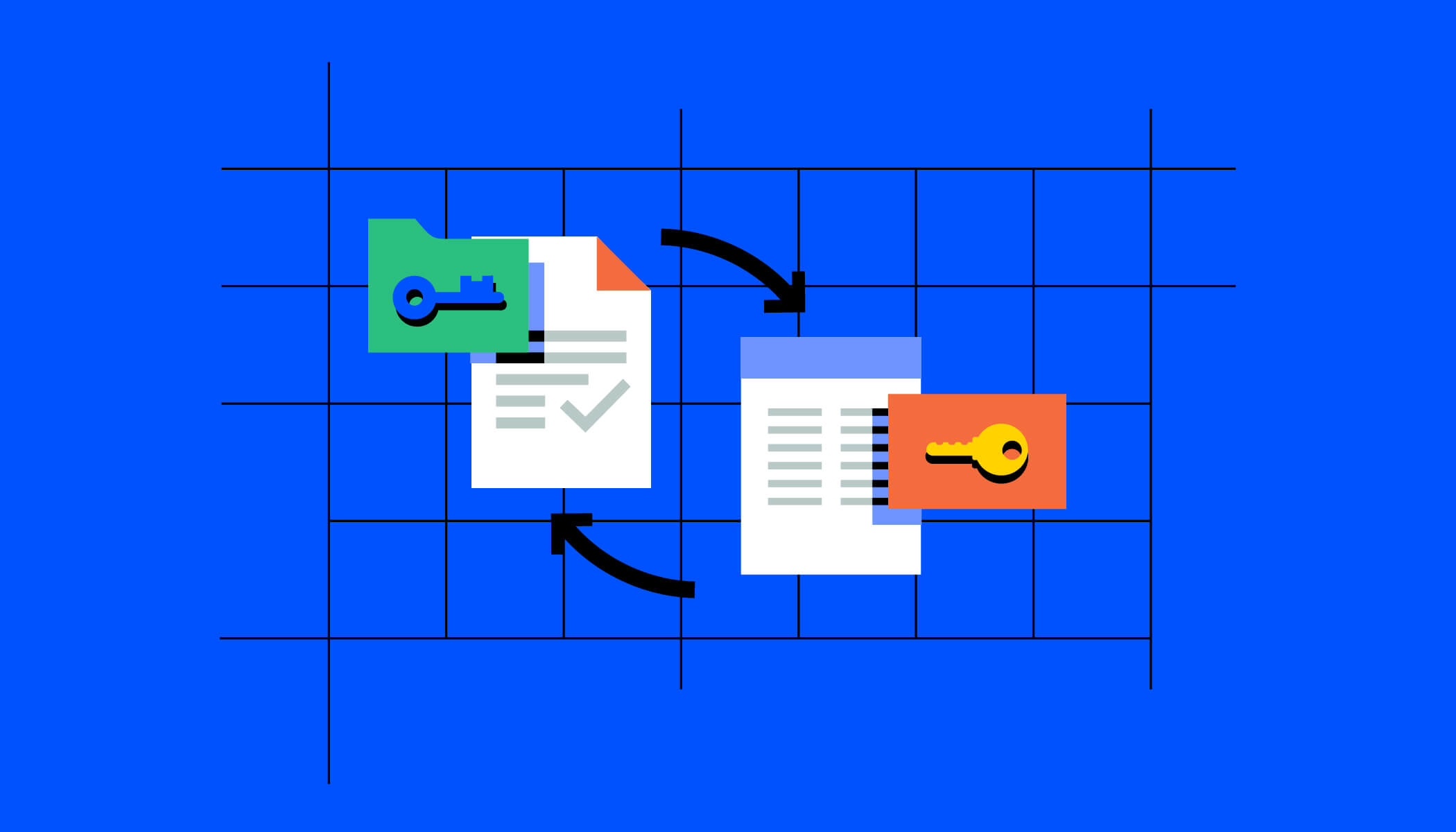
Total Value Locked (TVL) serves as a proxy for security and community trust. Higher TVL indicates more robust economic security and active developer engagement. Review recent audit reports from reputable firms like Trail of Bits or OpenZeppelin. Avoid chains with unresolved security vulnerabilities or low liquidity, as these pose significant risks for user funds.
The decision ultimately hinges on your specific use case. For privacy-focused applications, consider chains with native zero-knowledge proof support. For general DeFi, EVM compatibility remains the standard. Align your technical stack with the ecosystem that best supports your long-term growth strategy.
Frequently Asked Questions About ZK-Rollups
How do ZK-rollups impact Ethereum gas fees?
ZK-rollups significantly reduce gas fees by compressing thousands of transactions into a single proof posted on-chain. Instead of paying for individual transaction execution on Ethereum mainnet, users pay a fraction of the cost for the batched proof verification. This efficiency makes high-frequency trading and micro-transactions economically viable on Layer 2 networks.
What is the difference between zk-SNARKs and zk-STARKs?
The primary difference lies in proof size and trust assumptions. zk-SNARKs produce smaller proofs but require a trusted setup ceremony, introducing a one-time security risk. zk-STARKs generate larger proofs but are transparent and quantum-resistant, requiring no trusted setup. The choice depends on whether you prioritize lower gas costs (SNARKs) or maximum security and transparency (STARKs).
Can ZK-rollups be used for private transactions?
Yes, ZK-rollups enable privacy by allowing users to prove the validity of a transaction without revealing the underlying data. This can be used to hide transaction amounts, sender/receiver addresses, or smart contract state. However, most public ZK-rollups currently prioritize scalability over privacy, so specific privacy-focused implementations may require additional configuration or specialized protocols.
No comments yet. Be the first to share your thoughts!