Zero-knowledge proofs in 2026: What’s actually ready
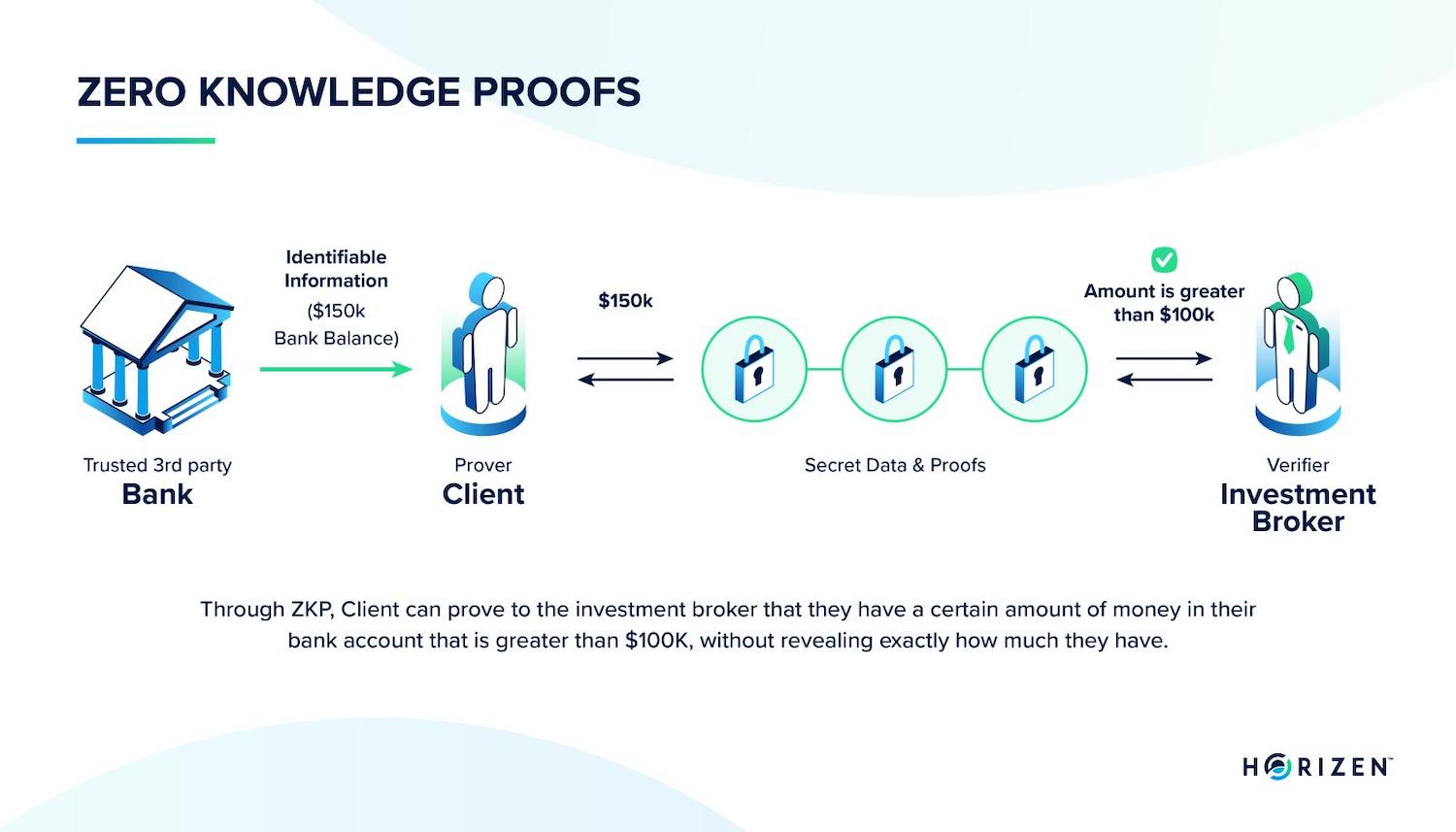
Zero-knowledge proofs (ZKPs) have moved from academic theory to a critical infrastructure layer for tokenized assets. By 2026, the focus has shifted from proving that a system can work to proving it works at scale, under regulatory scrutiny, and without exposing underlying data.
The ZKProof Standards initiative, convening in Rome in May 2026, continues to drive consensus on interoperability and security benchmarks. This standardization is essential for real-world asset (RWA) tokenization, where compliance requires verifiable proof of identity or ownership without revealing sensitive personal information.
For legal and compliance teams, the 2026 landscape offers a choice between general-purpose ZK circuits and specialized protocols designed for specific regulatory frameworks. The tradeoff lies in flexibility versus auditability: general circuits allow broader use cases but require more complex verification, while specialized protocols offer tighter compliance guarantees but less adaptability.
Current implementations prioritize non-interactive zero-knowledge proofs (NIZKs) for efficiency. These allow a prover to generate a single proof that any verifier can check quickly, a necessity for high-volume asset transfers on public or permissioned ledgers.
Zero-Knowledge Proof Tradeoffs in 2026
Choosing a zero-knowledge protocol for real-world asset tokenization requires balancing computational cost against privacy granularity. In 2026, the industry has moved past theoretical benchmarks toward practical deployment constraints. The decision hinges on three main factors: proof generation speed, verification cost, and compliance interoperability.
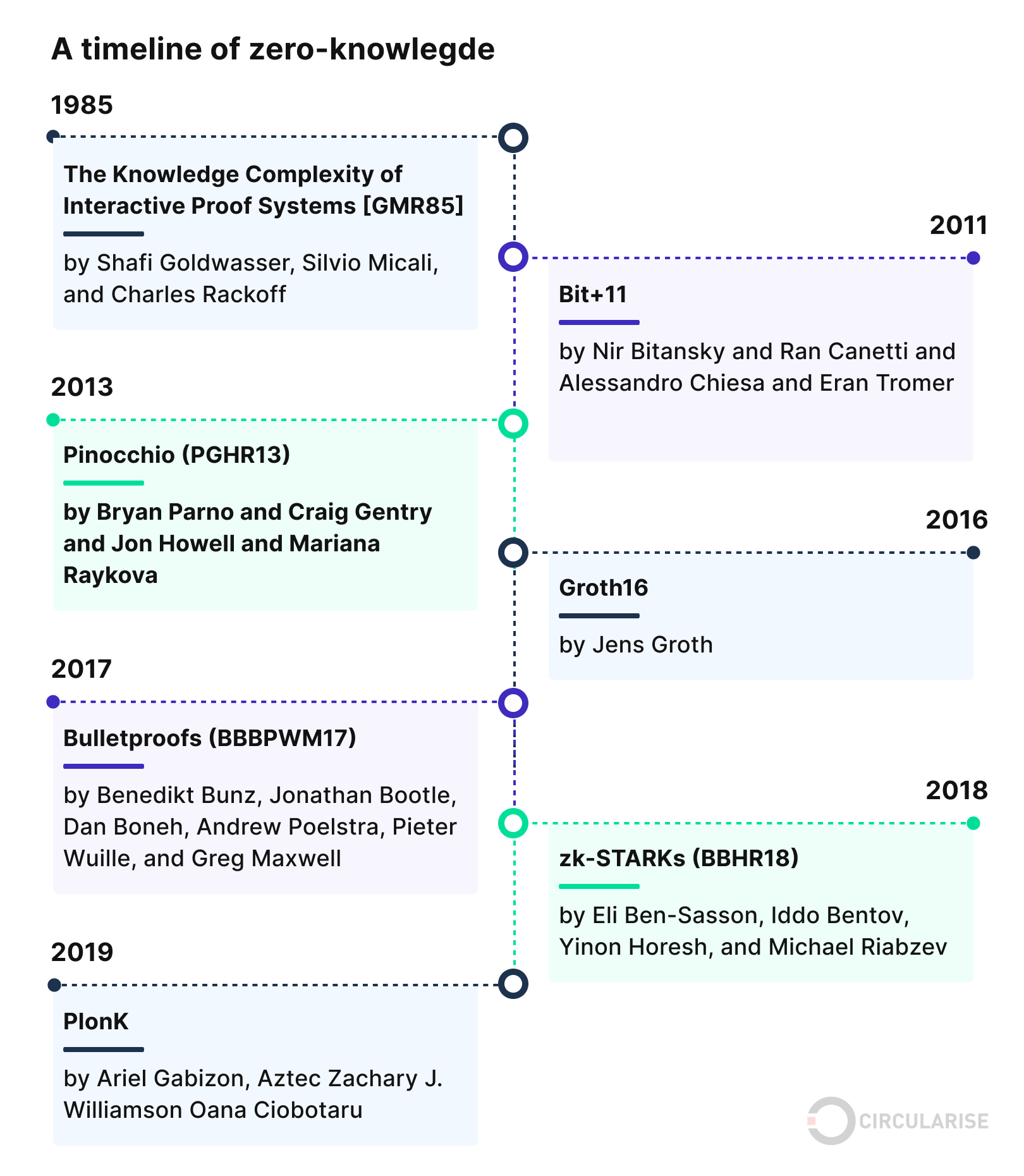
Proof generation is the most resource-intensive phase. SNARKs (Succinct Non-Interactive Arguments of Knowledge) offer fast verification but require heavy setup and expensive prover hardware. STARKs (Scalable Transparent Arguments of Knowledge) eliminate trusted setups and scale better with data volume, but their proofs are larger, increasing bandwidth costs for on-chain storage. For high-frequency asset transfers, SNARKs often remain the default despite the initial setup complexity.
Compliance interoperability is the second critical tradeoff. Tokenized assets must satisfy regulatory frameworks like MiCA or SEC guidelines. Some ZK circuits are designed to output specific compliance flags (e.g., "accredited investor") rather than full transaction history. This selective disclosure reduces data exposure but may limit the types of audits regulators can perform. Projects must ensure their ZK circuits can be verified by existing compliance oracles without revealing underlying asset details.
The table below compares the primary ZK proof systems used in 2026 tokenization projects.
When selecting a system, prioritize verification speed if your asset class requires rapid settlement, such as derivatives or tokenized treasury bills. For real estate or private equity, where audits are less frequent but data volumes are higher, STARKs may offer better long-term scalability despite larger proof sizes.
Community discussions on platforms like Reddit often highlight specific integration challenges, particularly around gas costs for proof verification on Ethereum L2s. These practical concerns frequently outweigh theoretical performance metrics in final architecture decisions.
Choose the next step
Zero-Knowledge Proofs works best as a clear sequence: define the constraint, compare the realistic options, test the tradeoff, and choose the path with the fewest hidden costs. That order keeps the advice usable instead of decorative. After each step, pause long enough to check whether the recommendation still fits the reader's actual situation. If it depends on perfect timing, unusual access, or a best-case budget, include a simpler fallback.

Avoid the weak options
Use this section to make the Zero-Knowledge Proofs decision easier to compare in real life, not just on paper. Start with the reader's actual constraint, then separate must-have requirements from details that are merely nice to have. A practical choice should survive normal use, maintenance, timing, and budget. If a recommendation only works in an ideal situation, call that out plainly and give the reader a fallback path.
The simplest way to use this section is to write down the must-have criteria first, then compare each option against those criteria before weighing nice-to-have features.
No comments yet. Be the first to share your thoughts!