
What zero-knowledge proofs mean for 2026
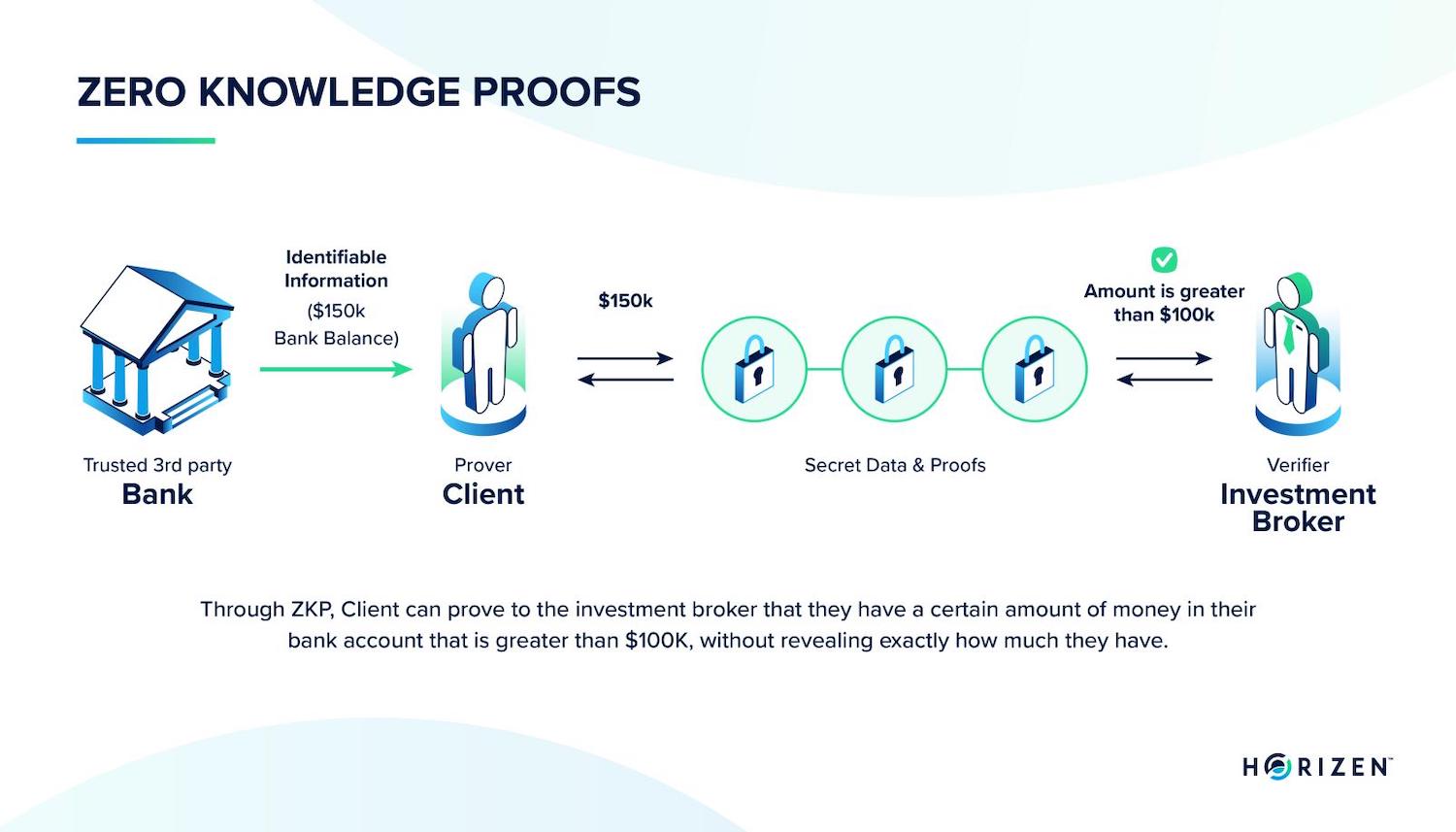
Zero-knowledge proofs (ZKPs) have shifted from theoretical cryptography to the core infrastructure of modern blockchain networks. A ZKP allows a prover to convince a verifier that a statement is true without revealing any underlying data. This capability solves the fundamental tension in decentralized finance: the need for transparent, auditable settlement alongside private, scalable execution.
In 2026, ZK technology primarily powers ZK-rollups, which batch thousands of transactions off-chain and post a single validity proof on-chain. This approach drastically reduces gas costs while maintaining Ethereum-level security. Unlike optimistic rollups, which rely on fraud proofs and time delays, ZK-rollups offer immediate finality once the proof is verified.
The economic impact is visible in the market. Chains built around ZK-scaling, such as zkSync and Polygon zkEVM, have seen significant adoption as developers prioritize low fees and high throughput.
The technology also enables privacy-preserving applications for real-world assets (RWAs). By hiding transaction amounts and identities while proving compliance, ZKPs allow institutional capital to interact with public blockchains without exposing sensitive financial data to the entire network.
ZK rollups vs zkEVM: The scaling debate
The architecture you choose for zero-knowledge scaling dictates the trade-offs between developer accessibility and raw throughput. While both paths aim to secure transactions off-chain, they diverge sharply in how they handle smart contract logic and verification costs.
The Architecture Gap
Standard ZK rollups (validiums or zk-rollups with custom VMs) often prioritize maximum data throughput by using non-EVM execution environments. This requires developers to write in specialized languages like Cairo or Noir, creating a steep learning curve and fragmenting the ecosystem. Security is robust, but the developer experience is isolated from the broader Ethereum tooling.
In contrast, zkEVM solutions aim for full equivalence with the Ethereum Virtual Machine. This allows existing Solidity code to compile directly to ZK circuits with minimal modification. The trade-off is higher computational complexity during proof generation, which can impact finality times and costs compared to non-EVM alternatives. However, for DeFi protocols and RWAs that rely on complex, existing smart contracts, this compatibility is often non-negotiable.
Choosing the Right Path
The decision hinges on whether you prioritize immediate developer migration or maximum throughput. For new protocols willing to build in custom VMs, standard rollups offer superior efficiency. For established DeFi platforms and institutions integrating RWAs, zkEVM provides the necessary compatibility to reuse existing audits and codebases, reducing security risks associated with porting logic to new environments.
| Feature | Standard ZK Rollup | zkEVM |
|---|---|---|
| Smart Contract Language | Custom (Cairo, Noir) | Solidity (EVM Equivalent) |
| Developer Experience | Steep learning curve | High (Familiar tooling) |
| Throughput Potential | Very High | High |
| Security Model | High (Simplified VM) | High (Complex VM) |
Private trading and identity verification
Privacy is shifting from a niche preference to a core infrastructure requirement in decentralized finance. Zero-knowledge proofs allow institutions and traders to prove compliance without exposing sensitive data. This shift enables private trading and identity verification that satisfies regulators while preserving user confidentiality.
Private trading on-chain has long struggled with transparency. Public ledgers reveal every transaction, making it difficult for institutional investors to hide their strategies. ZKPs solve this by allowing a protocol to verify that a trade is valid without revealing the amount, price, or counterparty. This capability is essential for protecting trading algorithms from front-running and maintaining market fairness.
Identity verification faces similar challenges. Traditional KYC processes require users to upload passports and proof of address to centralized databases, creating security risks and privacy concerns. ZK-KYC allows users to prove they are over 18, not sanctioned, and from an approved jurisdiction without sharing their actual identity or document details. This approach balances regulatory requirements with individual privacy rights.
The tension between privacy and compliance remains a central theme in DeFi development. Protocols that successfully integrate ZK-based privacy features can attract institutional capital that requires confidentiality. However, they must also ensure that these systems are auditable by regulators when necessary. This balance is critical for the long-term adoption of privacy-enhancing technologies in regulated markets.
Tokenizing real-world assets with ZKPs
Zero-knowledge proofs bridge the gap between on-chain efficiency and off-chain reality by verifying real-world asset (RWA) backing without exposing sensitive data. When tokenizing assets like real estate, private equity, or treasury bills, the underlying documentation—title deeds, corporate ledgers, and investor accreditation status—must remain private. ZKPs allow a protocol to cryptographically prove that an asset exists and is fully collateralized, ensuring transparency without compromising the confidentiality required by traditional finance.
The most immediate application is ZK-KYC, which solves the compliance bottleneck for tokenized securities. Instead of broadcasting an investor’s identity to the entire network, a user can submit a zero-knowledge proof demonstrating they meet regulatory criteria, such as being an accredited investor or residing in a permitted jurisdiction. This approach satisfies anti-money laundering (AML) requirements while keeping personal data off-chain, a critical feature for institutional adoption of RWAs in DeFi.
Verifying asset backing operates on similar principles. A custodian can generate a proof that a specific amount of physical or traditional financial assets is held in reserve to back the issued tokens. This ensures the integrity of the peg without revealing the custodian’s broader balance sheet or operational details. By decoupling verification from disclosure, ZKPs enable RWA tokenization to scale with the same privacy guarantees that protect user financial data in decentralized exchanges.
Key takeaways for investors and builders
Zero-knowledge proof adoption is shifting from experimental cryptography to core infrastructure for decentralized finance and real-world assets. For 2026, the strategic focus is on scalability and regulatory compliance rather than mere theoretical privacy.
Infrastructure Investment
The race to lower proof generation costs is driving capital into specialized hardware and optimized compilers. Investors should track protocols that integrate ZK-rollups for layer-2 scaling, as these directly address Ethereum’s throughput constraints. The ZKProof community continues to standardize these efforts, with the 8th ZKProof Workshop scheduled for May 2026 in Rome to further align academic and industry standards.
Use-Case Viability
For builders, the primary value proposition is selective disclosure. Real-world assets on-chain require identity verification without exposing full personal data. This balance allows institutions to participate in DeFi while maintaining KYC/AML compliance. The technology’s viability hinges on the maturity of zero-knowledge smart contracts, which are becoming more accessible through new development frameworks.
Market Context
The broader market sentiment for privacy-focused and scaling technologies is closely tied to Ethereum’s performance. As ZK-tech matures, its correlation with general crypto market trends may shift, but short-term volatility remains linked to major protocol upgrades.
No comments yet. Be the first to share your thoughts!