How ZK-Rollups Scale Ethereum
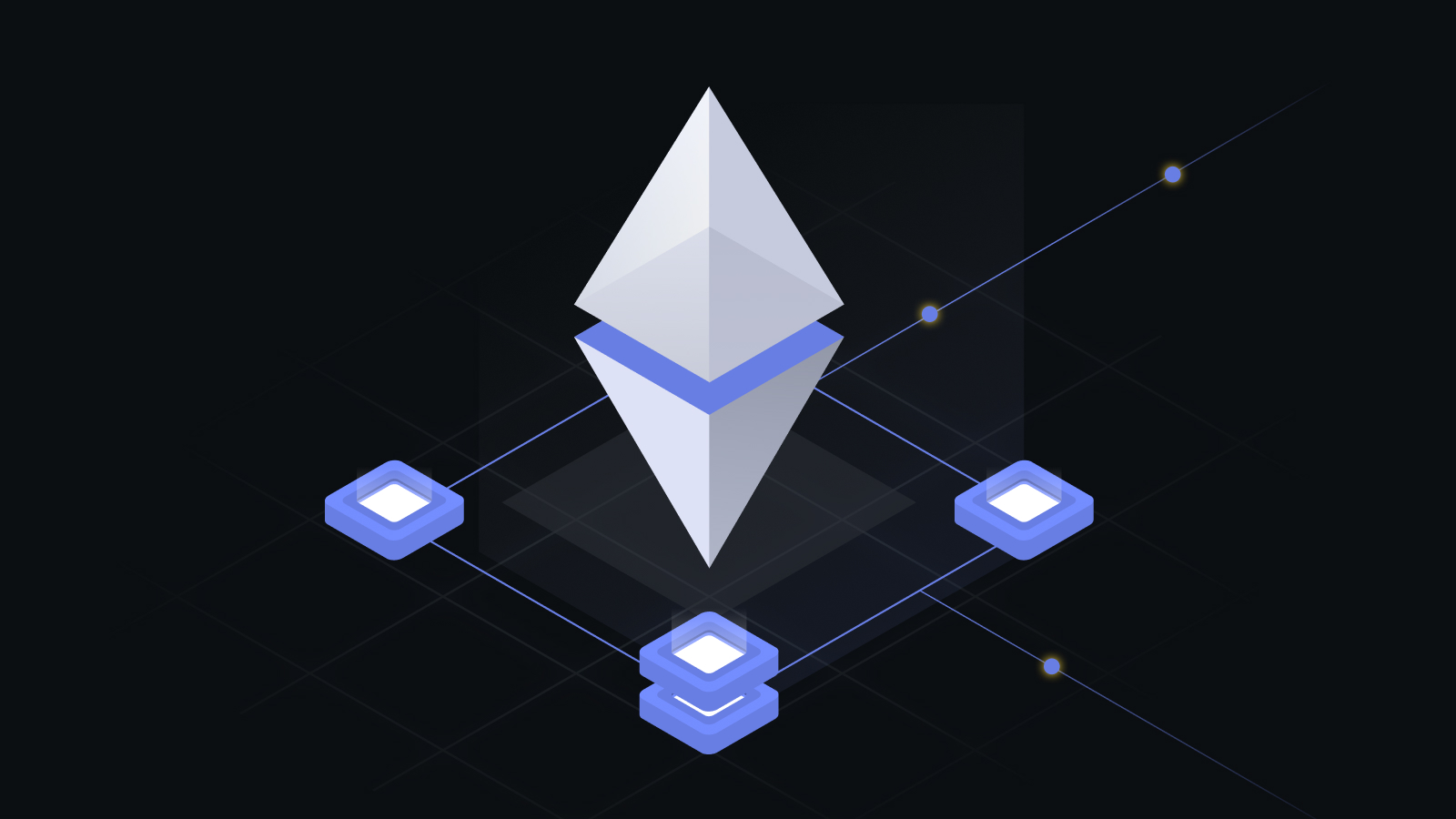
ZK-rollups are the current standard for high-throughput scaling on Ethereum. Unlike earlier Layer 2 solutions that relied on optimistic verification, zero-knowledge rollups use cryptographic proofs to validate transactions offchain before settling them on the mainnet. This shift is central to the ZK-rollups 2026 landscape, offering near-instant finality and significantly lower gas fees for users.
In an optimistic model, transactions are assumed valid unless challenged. This requires a seven-day fraud-proof window before funds are accessible, creating friction for everyday transactions. ZK-rollups eliminate this waiting period. They bundle thousands of transactions into a single batch and generate a succinct validity proof—a cryptographic receipt that proves the entire batch is correct. Ethereum nodes only need to verify this small proof rather than re-executing every transaction, which drastically reduces computational load.
This architectural difference matters because it aligns security directly with the Ethereum mainnet. The validity proof is mathematically guaranteed to be correct, meaning users can trust the state without waiting for a dispute period. As the ecosystem matures, this efficiency is becoming the preferred method for scaling decentralized applications that require speed and low costs.
zk-SNARKs vs zk-STARKs in 2026
Choosing a ZK-rollup 2026 architecture means choosing a proof system. zk-SNARKs and zk-STARKs solve the same problem—validating offchain transactions on Ethereum—but they use different cryptography, leading to distinct trade-offs in speed, cost, and security assumptions.
The primary difference lies in proof size and verification. SNARKs generate small proofs that are cheap to verify on-chain, making them ideal for high-throughput rollups like zkSync. However, they require a trusted setup ceremony and rely on elliptic curve cryptography, which some researchers believe is vulnerable to future quantum attacks. STARKs, by contrast, are quantum-resistant and trustless but produce larger proofs that cost more to verify, favoring projects like Starknet that prioritize long-term security over immediate minimal gas costs.
| Feature | zk-SNARKs | zk-STARKs |
|---|---|---|
| Proof Size | Small (KB) | Large (MB) |
| Verification Cost | Low | Higher |
| Trusted Setup | Required | None |
| Quantum Resistance | No | Yes |
| Key Projects | zkSync, Polygon zkEVM | Starknet, dYdX |
This trade-off defines the current ZK-rollups 2026 landscape. Projects like Starknet have embraced STARKs for their cryptographic simplicity and quantum readiness, while zkSync and others stick with SNARKs to keep user fees low. As Ethereum’s verifier improves, the gap in verification costs may narrow, but the security model remains a decisive factor for developers.
| Feature | zk-SNARKs | zk-STARKs |
|---|---|---|
| Proof Size | Small | Large |
| Verification Cost | Low | Higher |
| Trusted Setup | Required | None |
| Quantum Resistance | No | Yes |
| Key Projects | zkSync, Polygon zkEVM | Starknet, dYdX |
Top ZK-Rollup Projects Compared
Use this section to make the ZK-Rollups decision easier to compare in real life, not just on paper. Start with the reader's actual constraint, then separate must-have requirements from details that are merely nice to have. A practical choice should survive normal use, maintenance, timing, and budget. If a recommendation only works in an ideal situation, call that out plainly and give the reader a fallback path.
| Factor | What to check | Why it matters |
|---|---|---|
| Fit | Match the option to the primary use case. | A good deal still fails if it does not fit the job. |
| Condition | Verify age, wear, and service history. | Hidden condition issues erase upfront savings. |
| Cost | Compare purchase price with likely upkeep. | The cheapest option is not always the lowest-cost option. |
Choosing a ZK-Rollup for Development
ZK-Rollups works best as a clear sequence: define the constraint, compare the realistic options, test the tradeoff, and choose the path with the fewest hidden costs. That order keeps the advice usable instead of decorative. After each step, pause long enough to check whether the recommendation still fits the reader's actual situation. If it depends on perfect timing, unusual access, or a best-case budget, include a simpler fallback.
The simplest way to use this section is to write down the real constraint first, compare each option against it, and choose the path that still works outside ideal conditions.
Frequently Asked Questions About ZK-Rollups
How long does finality take on a ZK-rollup?
ZK-rollups offer faster finality than Optimistic rollups because they don’t require a dispute period. Transactions are verified using zero-knowledge proofs, which Ethereum nodes validate instantly. This means users typically see confirmed transactions in seconds or minutes, rather than the 7-day challenge window required by other Layer 2 solutions.
Are ZK-rollups safer than Optimistic rollups?
Yes, ZK-rollups are generally considered safer for users who want immediate certainty. Since validity proofs are generated off-chain and verified on-chain, there is no risk of fraudulent transactions slipping through during a dispute window. This cryptographic guarantee makes them robust against the types of exploits that have targeted Optimistic rollups.
Why are ZK-rollups cheaper than mainnet Ethereum?
Cost savings come from batching. A ZK-rollup processes thousands of transactions off-chain and submits a single proof to Ethereum. This spreads the high gas fees of the mainnet across many users, resulting in significantly lower fees for individual transactions. As ZK-prover technology improves in 2026, these costs continue to drop.
Can I use my existing Ethereum wallet?
Most ZK-rollup projects are compatible with standard Ethereum wallets like MetaMask. You simply need to add the ZK-rollup network as a custom network or use a bridge interface to move assets. However, always verify the contract addresses and network details from official project sources to avoid phishing sites.
What is the primary risk of using ZK-rollups?
The main risk lies in the bridge security and the complexity of the underlying cryptography. While the rollup itself is secure, the bridges that move assets between Layer 1 and Layer 2 can be vulnerable to hacks. Additionally, the reliance on trusted setups in some early ZK-rollup implementations has been a concern, though newer projects are moving toward trustless systems.
No comments yet. Be the first to share your thoughts!