The 2026 ZK Rollup Landscape
Zero-knowledge rollups have solidified their position as the dominant scaling solution for enterprise applications in 2026. By batching thousands of transactions off-chain and settling them on Ethereum using a single, compact cryptographic proof, ZK rollups deliver the speed and privacy required for high-volume commercial use. Unlike optimistic rollups, which rely on a fraud-proof challenge period, ZK rollups generate validity proofs for every batch, enabling faster finality without forcing users to wait for withdrawal windows.
This architectural advantage makes ZK technology particularly attractive for sectors where data confidentiality and immediate settlement are non-negotiable. Enterprises can now deploy EVM-compatible environments that execute transactions while posting only the proof to Layer 1, ensuring full compatibility with existing Solidity and Vyper contracts. The result is a scaling layer that feels instantaneous to the end-user while maintaining the security guarantees of the Ethereum mainnet.
The broader ecosystem’s health remains tightly coupled with Ethereum’s activity. As network usage grows, so does the demand for efficient L2 processing, reinforcing ZK rollups as the critical infrastructure for next-generation decentralized applications.
zkSync Era: EVM Equivalence at Scale
zkSync Era operates as a general-purpose layer-2 network that prioritizes compatibility with existing Ethereum development tools. By implementing EVM equivalence, it allows developers to deploy Solidity and Vyper contracts with minimal to no code changes. This approach lowers the barrier to entry for enterprises already invested in the Ethereum ecosystem, enabling them to scale applications without rewriting their core logic.
The network achieves significant cost reductions, with gas fees dropping by up to 99% compared to the Ethereum mainnet. This efficiency is driven by zkSync’s custom virtual machine, which processes thousands of transactions off-chain before generating a cryptographic validity proof posted to Layer 1. The result is a secure, high-throughput environment that maintains the security guarantees of Ethereum while offering the speed required for enterprise-grade applications.
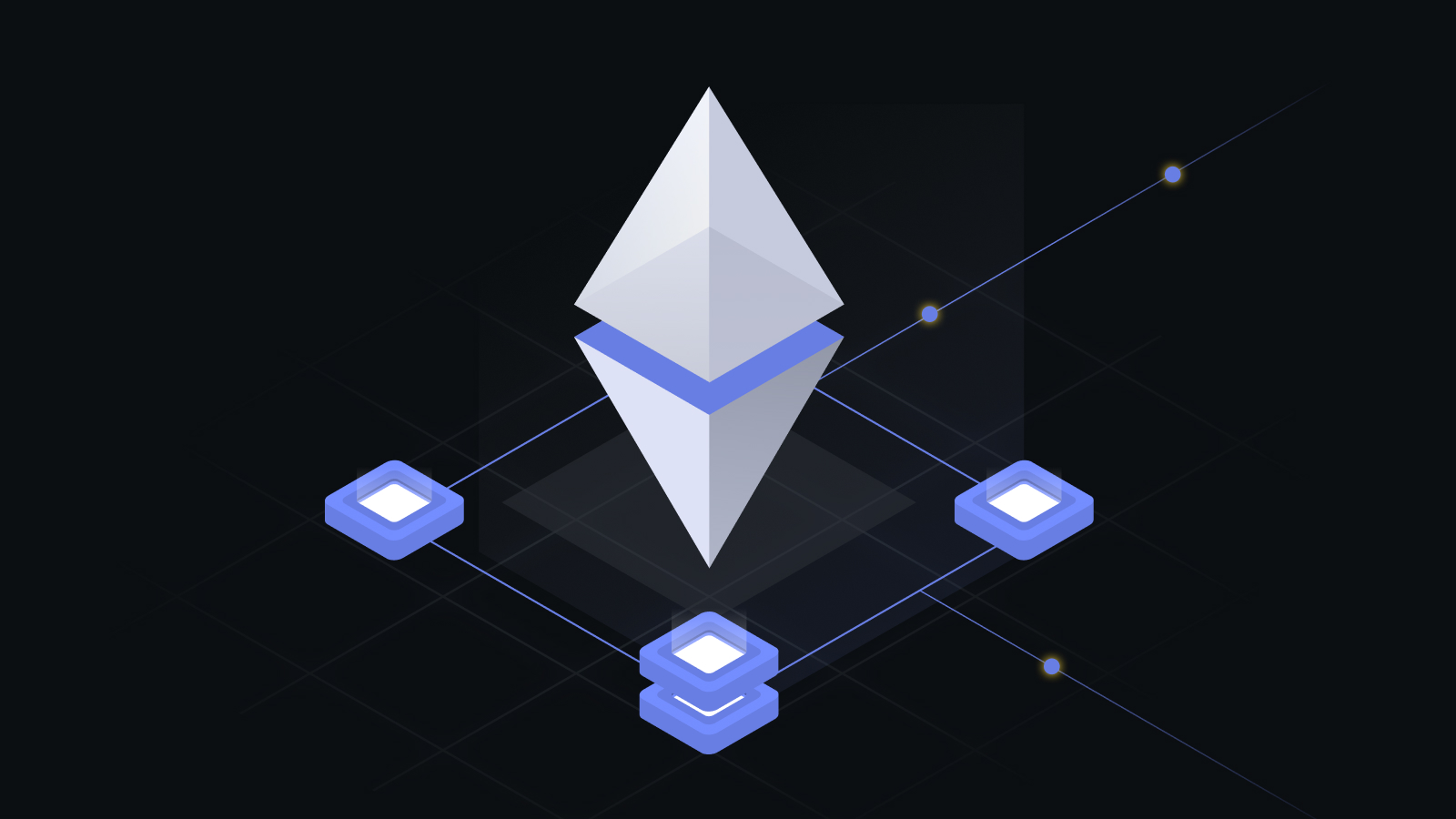
The developer ecosystem around zkSync Era continues to expand, supported by robust tooling and infrastructure. Projects ranging from decentralized exchanges to complex financial derivatives can leverage this compatibility to reach a larger audience. As the network matures, its focus on seamless integration positions it as a primary choice for builders seeking to scale Ethereum-native applications efficiently.
Starknet: High-Performance Computing
Starknet distinguishes itself from other ZK rollups through its use of STARKs (Scalable Transparent Arguments of Knowledge) and a custom virtual machine called STARKnet. This architecture is designed specifically for high-throughput, compute-heavy enterprise applications that standard EVM-compatible rollups struggle to handle efficiently.
The core advantage lies in its native support for large-scale computation. Unlike other L2s that force developers to adapt their code to an EVM template, Starknet uses a Cairo-based language that allows for more flexible and efficient proof generation. This means enterprises can run complex calculations—such as financial modeling, supply chain verification, or AI inference—directly on-chain without the bottlenecks typical of Ethereum's base layer.
STARKs also offer quantum-resistant security and do not require a trusted setup, making them ideal for organizations with strict compliance and long-term security requirements. By batching thousands of transactions into a single validity proof, Starknet reduces gas fees significantly while maintaining the finality and security of Ethereum.
Polygon zkEVM: Instant Finality
Polygon zkEVM delivers immediate transaction finality, a critical advantage for enterprise applications that cannot tolerate the withdrawal delays inherent to optimistic rollups. While optimistic solutions require a multi-day challenge period to ensure security, Polygon zkEVM generates a cryptographic validity proof for every batch before finalization. This means enterprises can process high-throughput transactions with near-instant settlement, removing the friction of waiting for fraud proofs to expire.
For development teams, the platform offers full EVM equivalence at the bytecode level. This compatibility ensures that existing Solidity and Vyper contracts deploy without modification, significantly reducing migration costs and technical debt. Organizations can leverage their current engineering talent and tooling ecosystems, treating Polygon zkEVM as a seamless extension of Ethereum mainnet rather than a completely new infrastructure to learn.
The network operates as a ZK rollup on Ethereum mainnet, posting validity proofs directly to Layer 1 to inherit Ethereum’s security guarantees. This architecture allows enterprises to maintain regulatory compliance and security standards while benefiting from the scalability and cost efficiency of Layer 2 scaling. The result is a robust environment for building decentralized applications that require both speed and verifiable security.
Comparing Enterprise Rollup Options
Choosing the right ZK rollup for enterprise scaling requires matching technical constraints to specific infrastructure needs. While ZK rollups generally reduce Ethereum gas fees by up to 99%, the underlying proof systems and compatibility layers vary significantly between major projects [[src-serp-2]].
The primary differentiation lies in EVM equivalence and proof generation. Polygon zkEVM offers full bytecode-level compatibility, allowing Solidity and Vyper contracts to deploy without modification [[src-serp-3]]. In contrast, Starknet uses a custom virtual machine and zk-STARKs, prioritizing raw throughput over direct EVM mimicry. zkSync Era sits between these extremes, offering EVM equivalence through a custom VM that mimics EVM behavior while maintaining high throughput.
The table below outlines the core technical distinctions for enterprise architecture planning.
| Project | Proof Type | EVM Compatibility | Finality |
|---|---|---|---|
| Polygon zkEVM | zk-SNARKs | Full Bytecode Equivalence | ~20-30 minutes |
| Starknet | zk-STARKs | Cairo VM (Native) | ~20-30 minutes |
| zkSync Era | zk-SNARKs | EVM Equivalence (Custom VM) | ~10-15 minutes |
For enterprises already invested in the Ethereum ecosystem, Polygon zkEVM provides the lowest migration barrier. However, teams prioritizing long-term security against quantum threats or seeking maximum transaction throughput may find Starknet’s zk-STARK architecture more suitable. zkSync Era remains a strong middle ground for organizations needing EVM compatibility with faster finality times.
Choosing the right ZK rollup for 2026
Selecting a ZK rollup requires matching your enterprise’s specific constraints against the technical trade-offs of each protocol. Unlike optimistic rollups, which rely on fraud proofs and a waiting period for withdrawals, ZK rollups generate a cryptographic validity proof for every batch. This allows for immediate finality, a critical feature for financial institutions that cannot tolerate withdrawal delays.
Evaluate your infrastructure needs through these three core criteria:
EVM equivalence ensures your existing Solidity and Vyper smart contracts deploy without modification. Solutions like Polygon zkEVM target bytecode-level compatibility, allowing enterprises to migrate legacy dApps with minimal refactoring. If your team lacks deep Rust or custom VM expertise, EVM compatibility significantly reduces development friction and time-to-market.
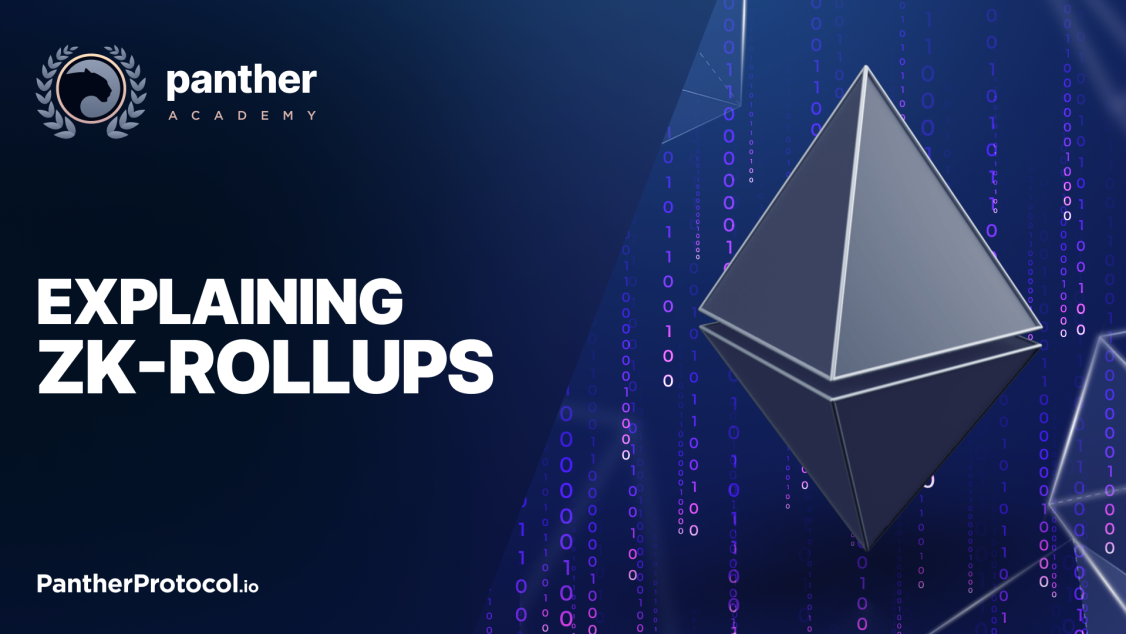
Choose between zk-SNARKs and zk-STARKs based on your trust assumptions and hardware requirements. SNARKs offer smaller proofs and faster verification but rely on a trusted setup ceremony, which some institutions view as a centralization risk. STARKs are post-quantum resistant and require no trusted setup, though they currently demand higher computational resources for proof generation.
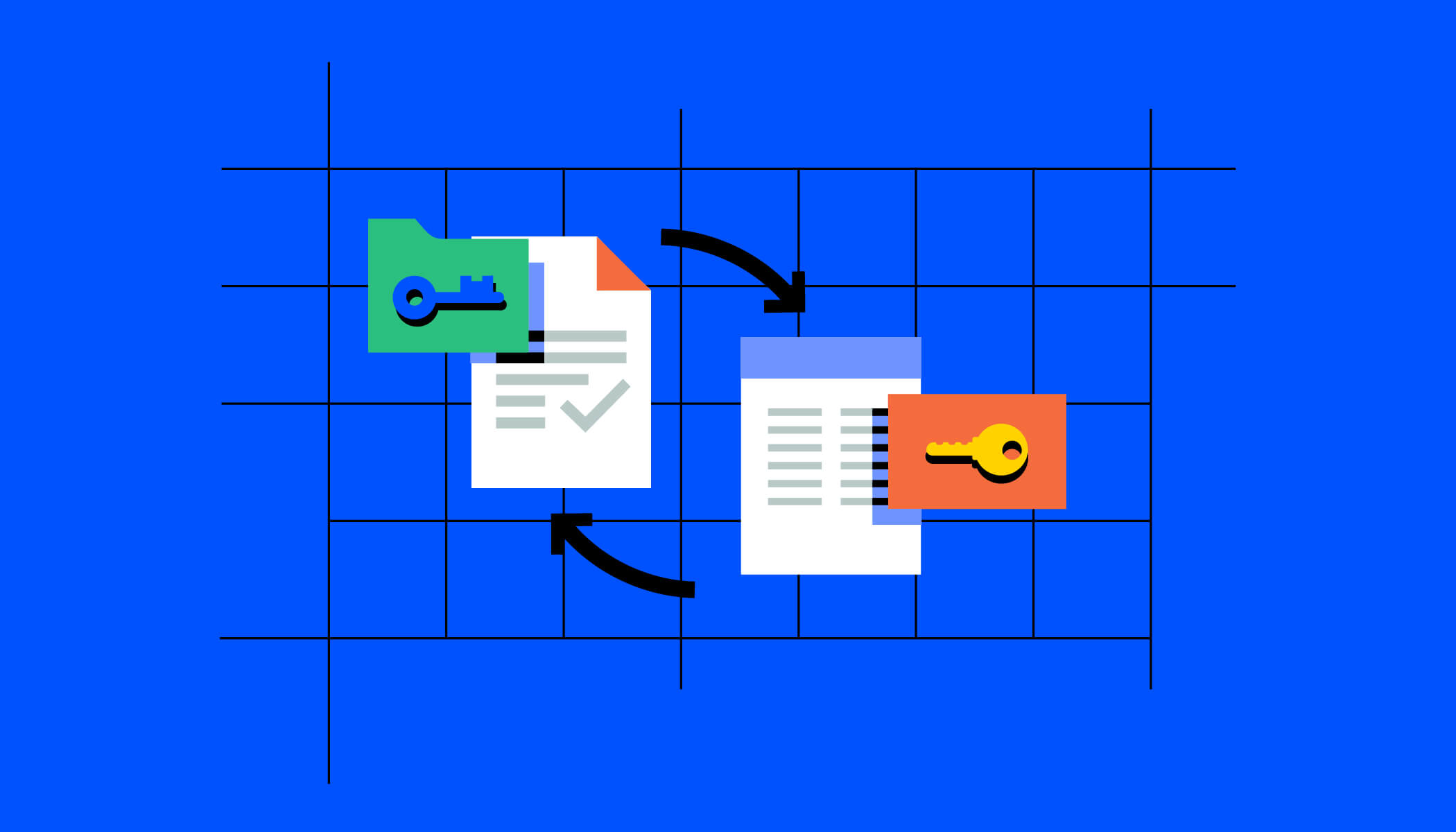
A rollup is only as useful as its ecosystem. Evaluate the maturity of the SDKs, testnets, and community support. For enterprise adoption, ensure the rollup has sufficient liquidity depth on decentralized exchanges to support institutional trading volumes without excessive slippage. Robust tooling reduces the operational overhead of maintaining your Layer 2 infrastructure.
Frequently asked: what to check next
What does zk rollup mean?
A ZK rollup is a Layer 2 blockchain that batches thousands of transactions offchain and settles them back to Ethereum using a single cryptographic proof. This approach improves throughput significantly by reducing the data load on the main chain. Instead of processing every transaction individually, the rollup verifies the entire batch's validity in one step.
What is the difference between an optimistic rollup and a ZK rollup?
Optimistic rollups assume transactions are valid and use a fraud-proof challenge period to catch errors. ZK rollups generate a cryptographic validity proof for every batch before finalization. This means ZK rollups offer faster finality and don't require users to wait for a challenge period when withdrawing funds.
Is Polygon a ZK rollup?
Polygon zkEVM is a ZK rollup deployed on Ethereum mainnet that executes transactions in an EVM-compatible environment and posts validity proofs to Ethereum L1. It launched in March 2023 and targets EVM equivalence at the bytecode level, meaning Solidity and Vyper contracts deploy without modification.
Does Ethereum have ZKP?
In Ethereum, ZKPs are implemented through protocols like zk-SNARKs (Zero-Knowledge Succinct Non-Interactive Arguments of Knowledge) and zk-STARKs (Zero-Knowledge Scalable Transparent Arguments of Knowledge). These protocols enable the generation of compact proofs that verify complex computations efficiently.
No comments yet. Be the first to share your thoughts!