Why ZK rollups define 2026 scaling
Zero-knowledge rollups have shifted from experimental prototypes to the dominant Layer 2 scaling architecture for Ethereum in 2026. By batching thousands of transactions offchain and settling them with a single cryptographic proof, ZK rollups deliver immediate finality and native privacy—advantages that Optimistic rollups cannot match without a seven-day withdrawal delay.
The fundamental difference lies in verification. Optimistic rollups assume transactions are valid unless proven otherwise, requiring a challenge period to detect fraud. ZK rollups, conversely, use zero-knowledge proofs (specifically zk-SNARKs or zk-STARKs) to mathematically guarantee validity before settlement. This means users can interact with L2 applications with the same security guarantees as the mainnet, but at a fraction of the cost and with near-instant confirmation.
This architectural shift is critical as Ethereum’s base layer faces persistent congestion. The following chart contextualizes the fee savings ZK rollups provide by contrasting L2 transaction costs against mainnet gas spikes.
ZK rollups also offer inherent data privacy. Because the proof validates the state transition without revealing the underlying transaction details, sensitive financial data remains confidential on-chain. This feature makes ZK rollups particularly attractive for enterprise use cases and high-value DeFi protocols where transparency must be balanced with user privacy.
As the ecosystem matures, the gap between ZK and Optimistic rollups is widening in terms of user experience. With finality measured in seconds rather than days, ZK rollups are becoming the preferred choice for applications demanding both speed and security.
The big three zkEVM networks
zkSync Era, Polygon zkEVM, and Linea currently dominate the general-purpose zkEVM landscape. These networks offer full EVM equivalence, meaning developers can deploy existing Solidity smart contracts with minimal modification. The choice between them hinges on transaction throughput, finality speed, and the specific ecosystem incentives available to builders.
Each network prioritizes different aspects of scalability. zkSync Era focuses on maximum throughput for high-frequency trading and consumer apps. Polygon zkEVM emphasizes institutional-grade security and seamless integration with the existing Polygon ecosystem. Linea, backed by ConsenSys, targets enterprise adoption with a strong focus on developer tooling and MetaMask integration.
| Network | EVM Equivalence | Finality | Primary Focus |
|---|---|---|---|
| zkSync Era | Full EVM | ~10-20 mins | High throughput, consumer apps |
| Polygon zkEVM | Full EVM | ~2-7 mins | Institutional security, Polygon ecosystem |
| Linea | Full EVM | ~10-20 mins | Enterprise, MetaMask integration |
The decision to build on one of these networks often depends on the target audience. Consumer-facing applications may benefit from zkSync Era's lower fees and high volume. Enterprises requiring strict compliance and faster finality might prefer Polygon zkEVM. Developers already embedded in the MetaMask or ConsenSys ecosystem will find Linea's tooling most intuitive.
Starknet and high-performance alternatives
Starknet operates as a high-throughput alternative to EVM-centric rollups, leveraging a custom STARK-based proof system rather than the EVM execution environment. This architectural divergence allows it to process complex computations with greater efficiency, making it particularly suitable for enterprise workloads that demand high transaction throughput and low latency. By decoupling the execution layer from the verification layer, Starknet reduces the computational burden on the base Ethereum chain while maintaining rigorous security guarantees.
For financial institutions and data-heavy enterprises, the distinction between STARKs and SNARKs matters significantly. STARKs offer quantum-resistant security and do not require a trusted setup, eliminating the risk of a "poisoned" public parameter that could compromise the entire network. This trustless property is critical for high-stakes applications where regulatory compliance and long-term security are non-negotiable. Unlike some EVM-compatible rollups that rely on SNARKs, Starknet’s approach provides a more transparent and robust foundation for sensitive financial data processing.
The performance metrics of Starknet and similar high-performance rollups are best understood through their on-chain activity and network health. The following chart illustrates the recent trading volume and market sentiment associated with the broader ZK-rollup ecosystem, which often correlates with the adoption of underlying infrastructure projects like Starknet.
While Starknet leads in the STARK-based category, other non-EVM rollups are emerging to address specific niche requirements. The table below compares the core technical attributes of Starknet against other notable high-performance ZK-rollups, highlighting the trade-offs between throughput, compatibility, and security models.
Selecting the right rollup depends on the specific constraints of the enterprise workload. If EVM compatibility is a strict requirement for legacy code migration, Polygon zkEVM may be the more pragmatic choice. However, for new builds requiring maximum throughput and quantum-resistant security, Starknet’s unique architecture offers a distinct competitive advantage. The decision ultimately hinges on balancing immediate integration needs against long-term scalability and security requirements.
Enterprise adoption drivers in 2026
Use this section to make the ZK Rollups decision easier to compare in real life, not just on paper. Start with the reader's actual constraint, then separate must-have requirements from details that are merely nice to have. A practical choice should survive normal use, maintenance, timing, and budget. If a recommendation only works in an ideal situation, call that out plainly and give the reader a fallback path.
The simplest way to use this section is to write down the must-have criteria first, then compare each option against those criteria before weighing nice-to-have features.
Choosing the right ZK rollup for your stack
Selecting a ZK rollup requires matching its technical constraints to your application's specific needs. Unlike optimistic rollups that rely on fraud proofs, ZK rollups offer immediate finality, which changes the risk profile for enterprise integrations.
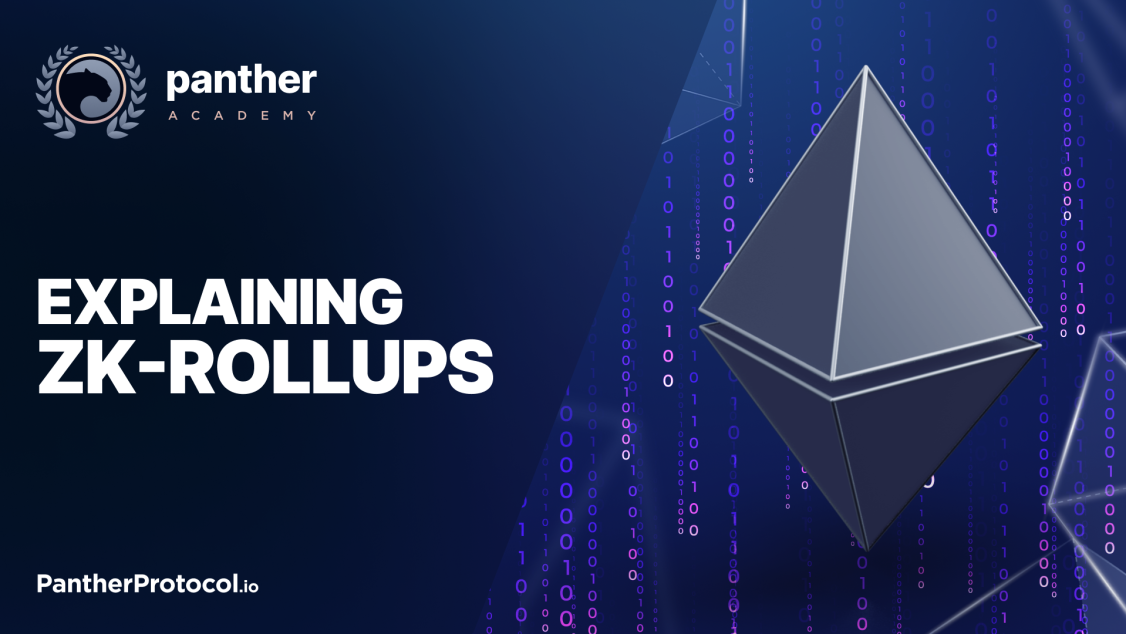
Most enterprises prioritize EVM-equivalent environments to leverage existing Solidity codebases. Verify that the rollup supports standard Ethereum JSON-RPC interfaces and has mature debugging tools. This compatibility reduces migration costs and allows your team to deploy familiar contracts without rewriting core logic.
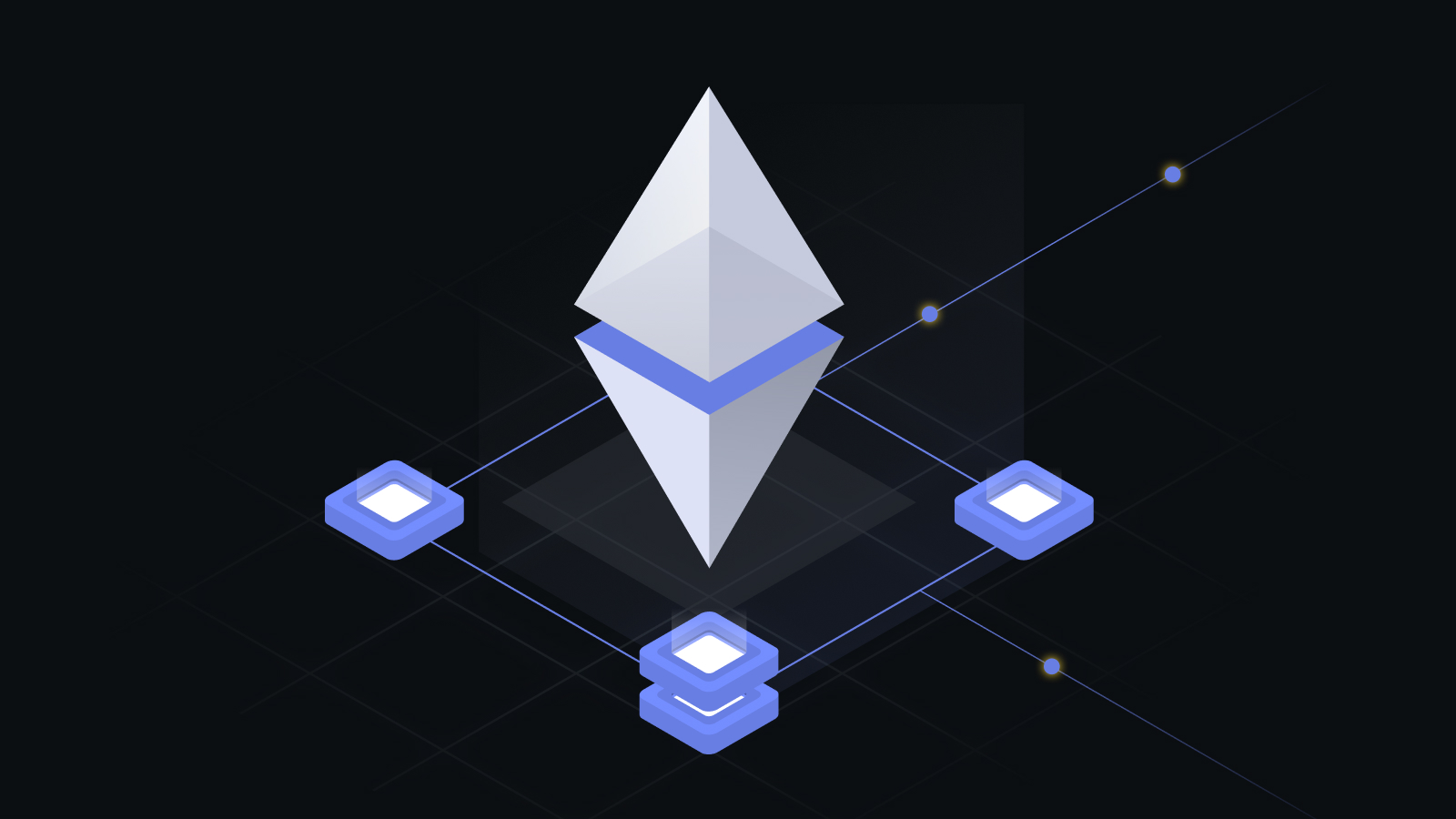
ZK rollups vary in their zero-knowledge proof systems, such as STARKs or SNARKs. STARKs offer quantum resistance and larger proof sizes, while SNARKs are smaller but require trusted setup ceremonies. Analyze whether the rollup uses a single prover or a decentralized network of provers to ensure no single point of failure exists in the proof generation process.
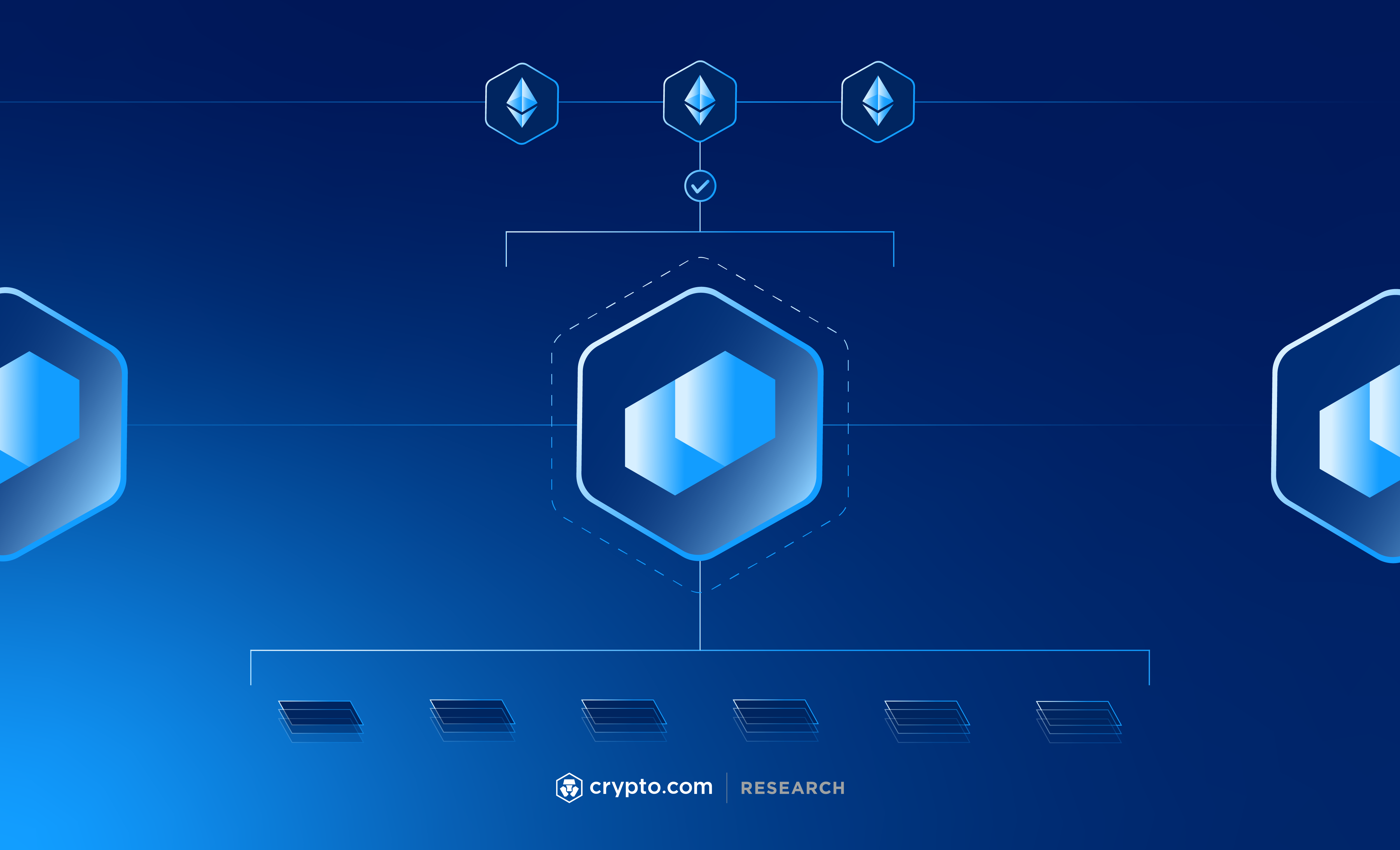
Data availability is the primary bottleneck for ZK rollup scalability. Determine if the rollup posts compressed data to Ethereum mainnet or uses alternative layers like Celestia. Calculate the effective cost per transaction, including gas fees for data posting and proof verification, as these costs directly impact your users' experience and your operational margins.
-
Verify EVM-equivalence and Solidity support
-
Confirm prover decentralization and trust assumptions
-
Calculate end-to-end transaction costs including data availability
-
Test latency for proof generation and finality
| Feature | STARKs | SNARKs |
|---|---|---|
| Proof Size | Larger (KB range) | Smaller (KB range) |
| Trusted Setup | No | Yes (usually) |
| Quantum Resistance | Yes | No |
No comments yet. Be the first to share your thoughts!