Zk-rollups 2026 limits to account for
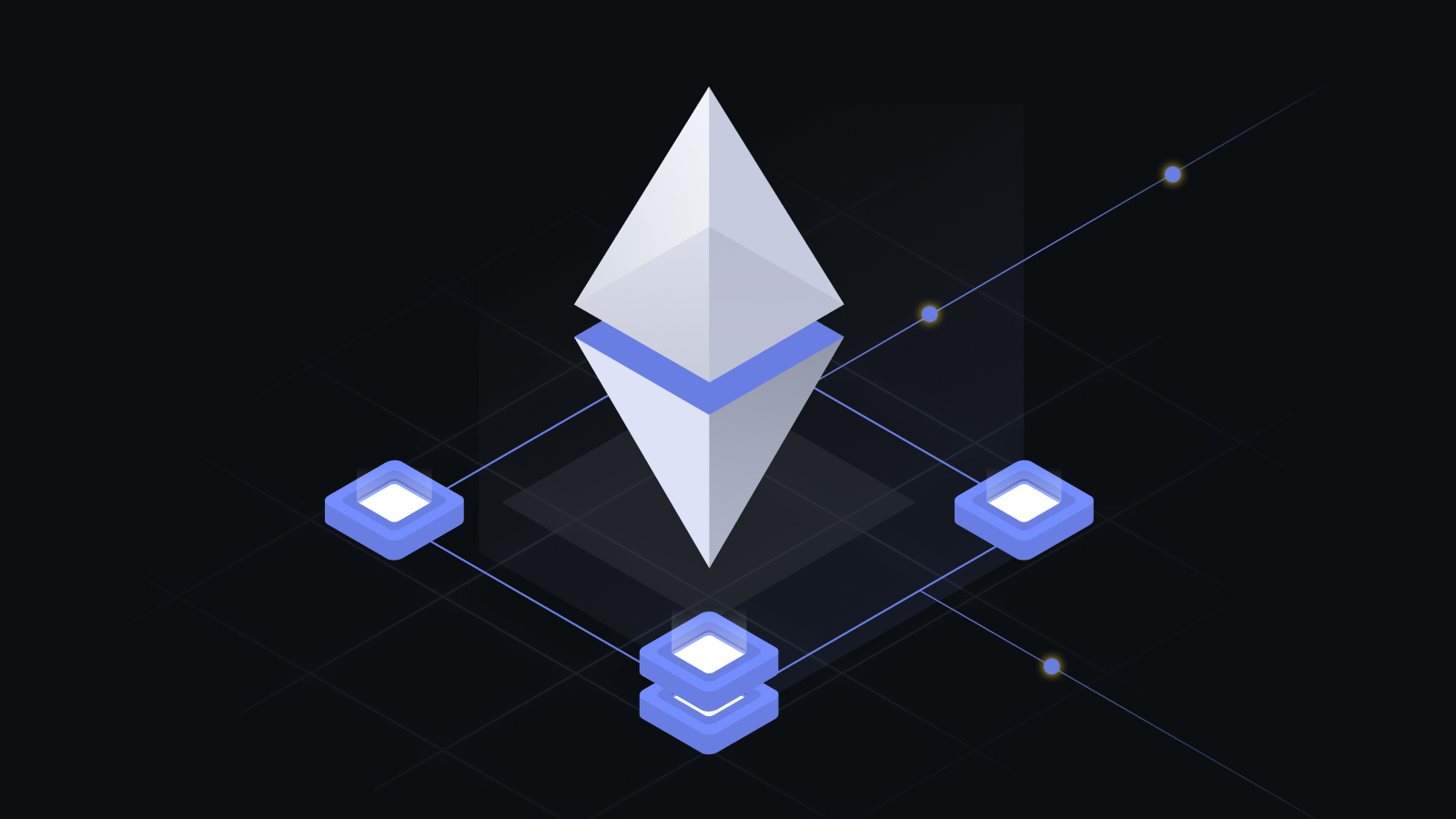
A ZK rollup is a Layer 2 blockchain that batches thousands of transactions offchain and settles them back to Ethereum using a single cryptographic proof. This architecture resolves the long-standing scalability trilemma by offering near-instant finality without the withdrawal delays inherent to optimistic rollups. In 2026, the primary constraint is no longer theoretical; it is the computational cost of generating these zero-knowledge proofs.
The difference between an optimistic rollup and a zk rollup is fundamental. Optimistic rollups assume transactions are valid and use a fraud-proof challenge period to catch errors. ZK rollups generate a cryptographic validity proof for every batch before finalization. This means ZK rollups offer faster finality and don't require users to wait for a challenge period when withdrawing funds. The tradeoff is that proving is computationally expensive, though hardware accelerators are rapidly reducing this overhead.
Ethereum has ZKP at its core, implemented through protocols like zk-SNARKs and zk-STARKs. Projects like Polygon zkEVM have demonstrated that ZK rollups can achieve EVM equivalence at the bytecode level, allowing Solidity and Vyper contracts to deploy without modification. As proof generation becomes cheaper, ZK rollups are shifting from a niche scaling solution to the default infrastructure for high-throughput decentralized applications.
zk-rollup 2026 tradeoffs: what to evaluate
Choosing a zk-rollup in 2026 requires balancing three competing variables: cryptographic security, transaction throughput, and deployment compatibility. While early rollups prioritized raw speed, the current landscape emphasizes zkEVM equivalence—the ability to run existing Solidity contracts without modification.
Before committing capital or deploying code, evaluate the following factors against your specific use case. The table below compares the dominant architectures currently settling on Ethereum L1.
| Factor | Security Model | Performance | Developer Fit |
|---|---|---|---|
| Validity Proofs | Mathematical certainty via SNARKs/STARKs | Higher gas cost for proof generation | Requires specialized ZK tooling |
| Finality Speed | Immediate upon L1 block confirmation | Seconds to minutes, no challenge period | Predictable withdrawal timelines |
| EVM Equivalence | Standard Ethereum security guarantees | Native support for Solidity/Vyper | Lowest barrier for existing dApps |
| Data Availability | Relies on Ethereum blob/call data | Cost scales with blob availability | Standardized across L2s |
Security vs. Cost
The primary tradeoff in zk-rollups is the cost of generating validity proofs. While zkEVMs like Polygon zkEVM and Scroll offer near-perfect compatibility with existing Ethereum contracts, they often incur higher gas fees during peak congestion due to the computational intensity of proof generation.
If your application involves high-frequency trading or micro-transactions, the lower proof costs of non-EVM-specific rollups (like StarkNet) may be preferable, despite requiring developers to learn a new stack. For most mainstream DeFi and NFT projects, the premium paid for EVM equivalence is justified by the reduced risk of deployment errors.
Finality and User Experience
Unlike optimistic rollups, which require a 7-day challenge period for withdrawals, zk-rollups provide immediate finality once the validity proof is verified on Ethereum. This distinction is critical for user experience. If your platform relies on fast capital turnover—such as a lending protocol or a derivatives exchange—zk-rollups eliminate the friction of waiting for dispute windows.
However, this speed comes with a dependency on the sequencer. Most zk-rollups are centralized during the sequencing phase to optimize performance. Users must trust the sequencer not to censor transactions or reorder them until the proof is submitted to L1.
When to Choose Which
- Choose a zkEVM rollup (e.g., Polygon zkEVM, Scroll, Linea) if you are migrating an existing Ethereum dApp. The ability to deploy unmodified Solidity contracts minimizes development time and audit complexity.
- Choose a specialized ZK chain (e.g., StarkNet, zkSync) if you are building a new protocol that requires maximum throughput and can justify the cost of rewriting the frontend and smart contracts in a ZK-specific language.
- Avoid zk-rollups if your use case prioritizes absolute decentralization of the sequencer above all else, as current zk-rollup architectures still rely on trusted or semi-trusted sequencers for efficiency.
The 2026 market favors zkEVMs for mainstream adoption, but specialized ZK chains remain the benchmark for high-performance applications. Evaluate your team's technical capacity and your users' sensitivity to withdrawal times before making a final decision.
How to Choose the Right ZK-Rollup Strategy
Selecting a ZK-rollup architecture requires matching your specific throughput needs against the current maturity of the underlying proof systems. In 2026, the gap between theoretical speed and practical finality has narrowed, but tradeoffs remain sharp. Use this framework to evaluate whether a validity rollup, an optimistic rollup, or a hybrid approach fits your deployment.
ZK-rollups provide immediate finality because validity proofs are generated for every batch before settlement on Ethereum L1. If your application involves high-value transfers or time-sensitive trading where users cannot tolerate the 7-day withdrawal delay of optimistic rollups, a ZK-architecture is the only viable option. The cryptographic proof replaces the need for a challenge period, removing uncertainty from the withdrawal process.
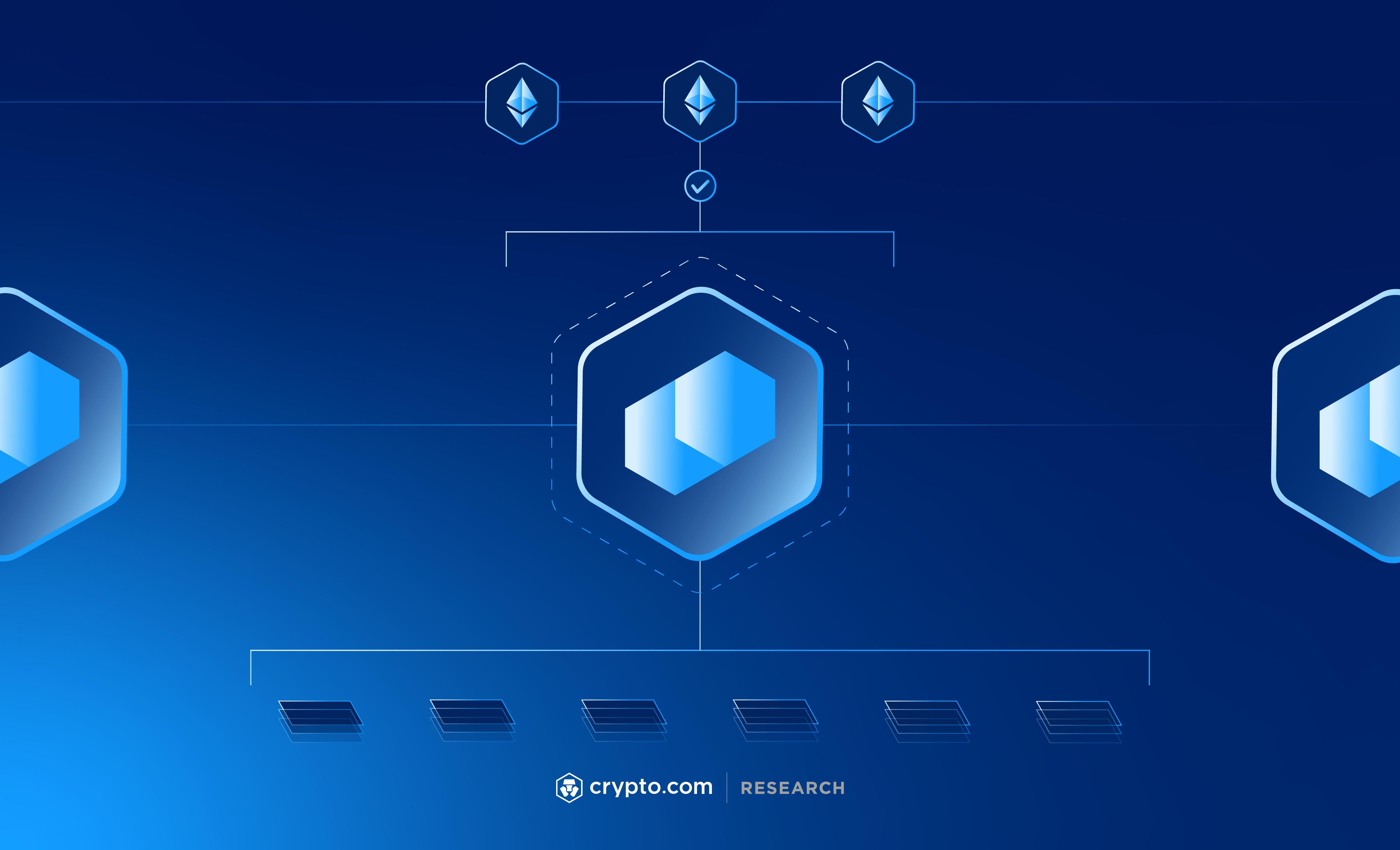
If your team relies on existing Solidity or Vyper smart contracts, prioritize ZK-rollups like Polygon zkEVM that offer bytecode-level equivalence. These solutions allow you to deploy contracts without modification, significantly reducing development friction. For custom virtual machines or non-EVM chains, the development overhead may outweigh the scalability benefits unless you have specialized cryptographic expertise.
While ZK-rollups generally offer lower gas fees than L1, the computational cost of generating zero-knowledge proofs can be higher than optimistic fraud proofs. For high-frequency micro-transactions, the proof-generation overhead may limit profitability. Compare the per-transaction cost on networks like StarkNet or zkSync against the simpler, cheaper proof generation of optimistic chains if your volume is moderate.
Liquidity is the most critical factor for user experience. Even if a ZK-rollup offers superior technical specs, a lack of bridge depth or DEX liquidity will hinder adoption. Look for projects with established cross-chain bridges and active developer communities. The network effect often outweighs marginal differences in transaction speed or cost.
| Feature | ZK-Rollup | Optimistic Rollup |
|---|---|---|
| Finality | Immediate (seconds/minutes) | Delayed (7 days) |
| Proof Type | Validity (ZK-SNARKs/STARKs) | Fraud Proofs |
| EVM Compatibility | Variable (zkEVM, Polygon) | High (Arbitrum, Optimism) |
| Cost Structure | Higher proof cost, lower gas | Lower proof cost, higher gas |
The decision ultimately rests on your tolerance for complexity versus speed. If you need instant settlement and can handle the cryptographic overhead, ZK-rollups are the superior choice. For applications where development speed and EVM compatibility are paramount, optimistic rollups remain a pragmatic alternative.
Spotting Weak ZK Rollup Claims
Many projects advertise "ZK rollup" status while skipping the heavy lifting. A true ZK rollup posts a validity proof on Ethereum L1 for every batch, ensuring cryptographic finality. If a project relies on a centralized sequencer without a robust fraud or validity proof mechanism, it is not a ZK rollup. Always check the on-chain data.
The optimistic vs. zk choices that change the plan
Optimistic rollups assume transactions are valid and use a challenge period to catch errors. ZK rollups generate a cryptographic proof for every batch before finalization. This means ZK rollups offer faster withdrawals since users do not wait for a challenge window. However, ZK proof generation is computationally expensive, often leading to higher gas fees during network congestion.
Common Pitfalls to Avoid
- EVM Equivalence Claims: Many "ZK EVM" projects claim full compatibility but require code modifications for complex smart contracts. Verify if they support Solidity and Vyper without changes.
- Data Availability: Ensure the project posts transaction data to Ethereum L1. Projects storing data off-chain or on low-cost chains like Polygon PoS are not true ZK rollups.
- Decentralization: Check if the sequencer is centralized. A single entity controlling transaction ordering creates a single point of failure.
Decision Framework
Choose ZK rollups for high-frequency trading or applications requiring fast finality. Use optimistic rollups for complex smart contracts where development speed matters more than immediate settlement. Polygon zkEVM is a strong example of a ZK rollup targeting EVM equivalence, launched in March 2023.
No comments yet. Be the first to share your thoughts!