Zk proofs 2026 limits to account for
Zero-knowledge proofs (ZKPs) are moving from theoretical cryptography to the backbone of privacy-preserving AI. In 2026, the primary constraint is no longer just mathematical feasibility, but the computational cost of generating and verifying proofs at scale. As AI models grow larger and more complex, the data they process requires rigorous privacy guarantees without sacrificing performance.
The ZKProof consortium, holding its eighth gathering in Rome this May, is driving standardization efforts to make these protocols interoperable and accessible. This push toward standardization is critical for developers who need to integrate ZK proofs into AI pipelines without reinventing the cryptographic wheel. The goal is to create a robust framework where privacy is a default feature, not an afterthought.
For AI applications, this means enabling models to verify computations on private data without ever seeing the data itself. This capability is transforming how we handle sensitive information in healthcare, finance, and identity verification. The tradeoff involves higher latency during proof generation, but advancements in hardware acceleration are rapidly closing the gap.
Zk proof 2026 choices that change the plan
The shift toward zero-knowledge privacy in AI and blockchain is no longer theoretical. By 2026, the industry faces a practical bottleneck: not every ZK scheme fits every workload. You must evaluate concrete tradeoffs between proving speed, verification cost, and the type of computation involved. Choosing the wrong architecture can turn a privacy feature into a performance liability.
The primary decision lies between two dominant proving systems: STARKs and SNARKs. STARKs offer transparency and quantum resistance, making them safer for long-term infrastructure, but they require larger proof sizes. SNARKs provide smaller proofs and faster verification, ideal for mobile clients, but often rely on trusted setups that introduce initial complexity and potential trust assumptions.
| Feature | STARKs | SNARKs | Bulletproofs |
|---|---|---|---|
| Proof Size | Large (KB to MB) | Small (KB) | Medium |
| Verification Time | Fast | Very Fast | Slow |
| Trust Setup | None (Transparent) | Required (Trusted) | None (Transparent) |
| Quantum Resistance | Yes | No | Yes |
| Best Use Case | High-throughput chains | Mobile/On-chain verification | Range proofs |
Beyond the proving system, you must consider the computational overhead of the circuit itself. ZK proofs require translating your AI model or transaction logic into arithmetic constraints. This translation step, known as "compilation," is often the most time-consuming part of the process. If your AI model involves heavy matrix multiplications, you will need specialized gates or lookup tables, which can drastically increase the proving time.
For AI applications specifically, the tradeoff between accuracy and proof size is critical. Using a generic ZK VM (Virtual Machine) allows you to run unmodified code, but the overhead can be 100x to 1000x slower than native execution. Custom circuits offer better performance but require significant cryptographic engineering expertise. In 2026, the trend is moving toward hybrid approaches: using custom circuits for the most expensive parts of an AI inference and generic VMs for control flow, balancing development speed with verification efficiency.
How to choose a zero-knowledge proof implementation
Zero-knowledge (zk) technology is moving from academic papers to production infrastructure, but the choice of implementation depends on your specific privacy and performance requirements. There is no single standard that fits every use case. You need to evaluate three main factors: the type of proof system, the underlying cryptographic assumptions, and the available developer tooling.
Start by determining whether you need a succinct proof that is fast to verify on-chain, or a system that supports more complex computations like machine learning inference. The trade-off between proof generation time and verification speed is the central decision in any zk project.
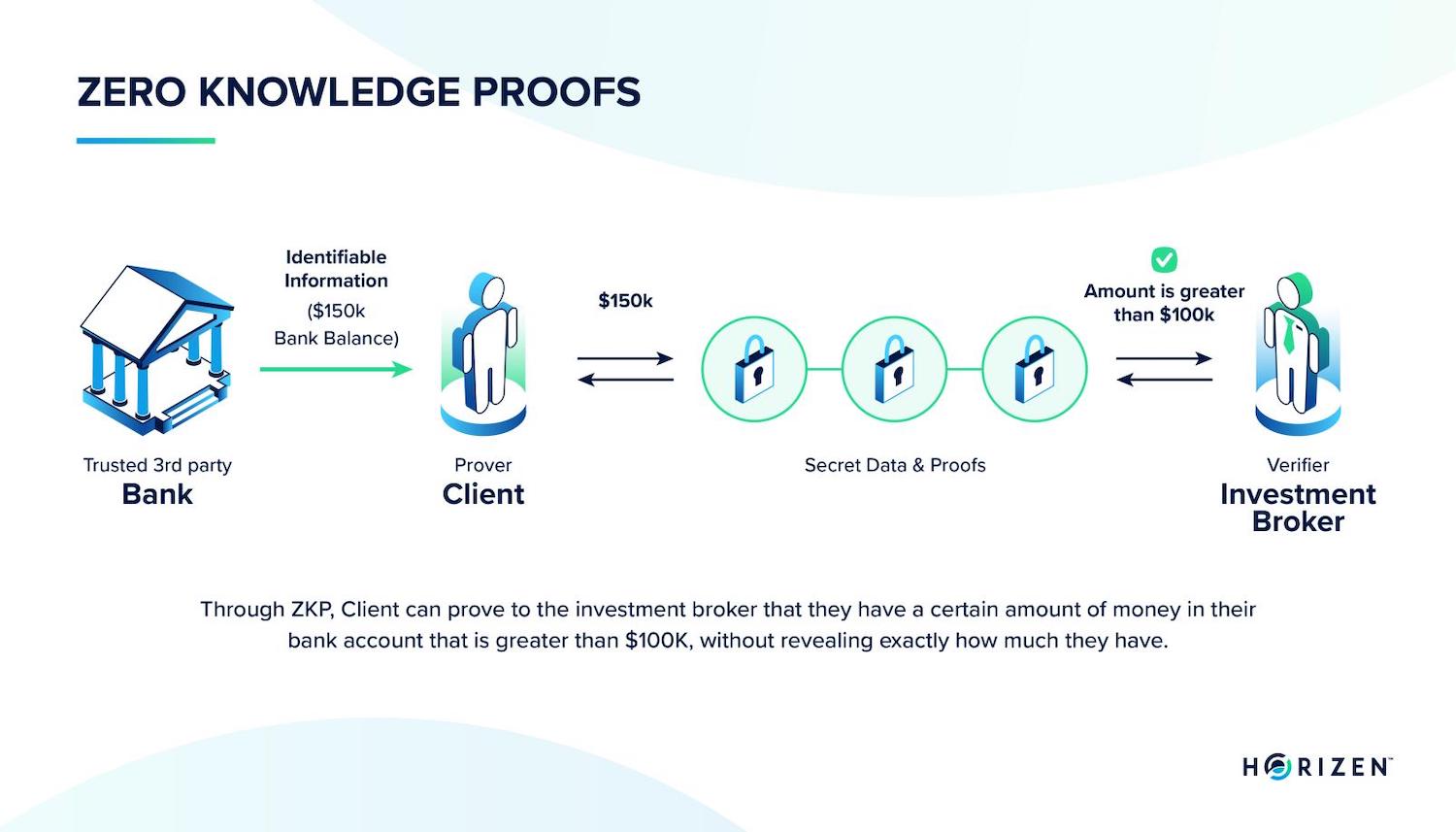
SNARKs (Succinct Non-interactive Arguments of Knowledge) offer small proof sizes and fast verification, making them ideal for blockchain scaling. STARKs (Scalable Transparent Arguments of Knowledge) provide quantum resistance and do not require a trusted setup, which is critical for long-term security. Choose SNARKs for maximum efficiency and STARKs for robustness against future threats.
Some systems rely on elliptic curve pairings, which are well-understood but potentially vulnerable to quantum computers. Others use hash-based assumptions, which are more conservative. Review the security parameters of your chosen protocol. Look for systems that have undergone public audit and are part of the ZKProof initiative, an open-industry academic effort to standardize these protocols.
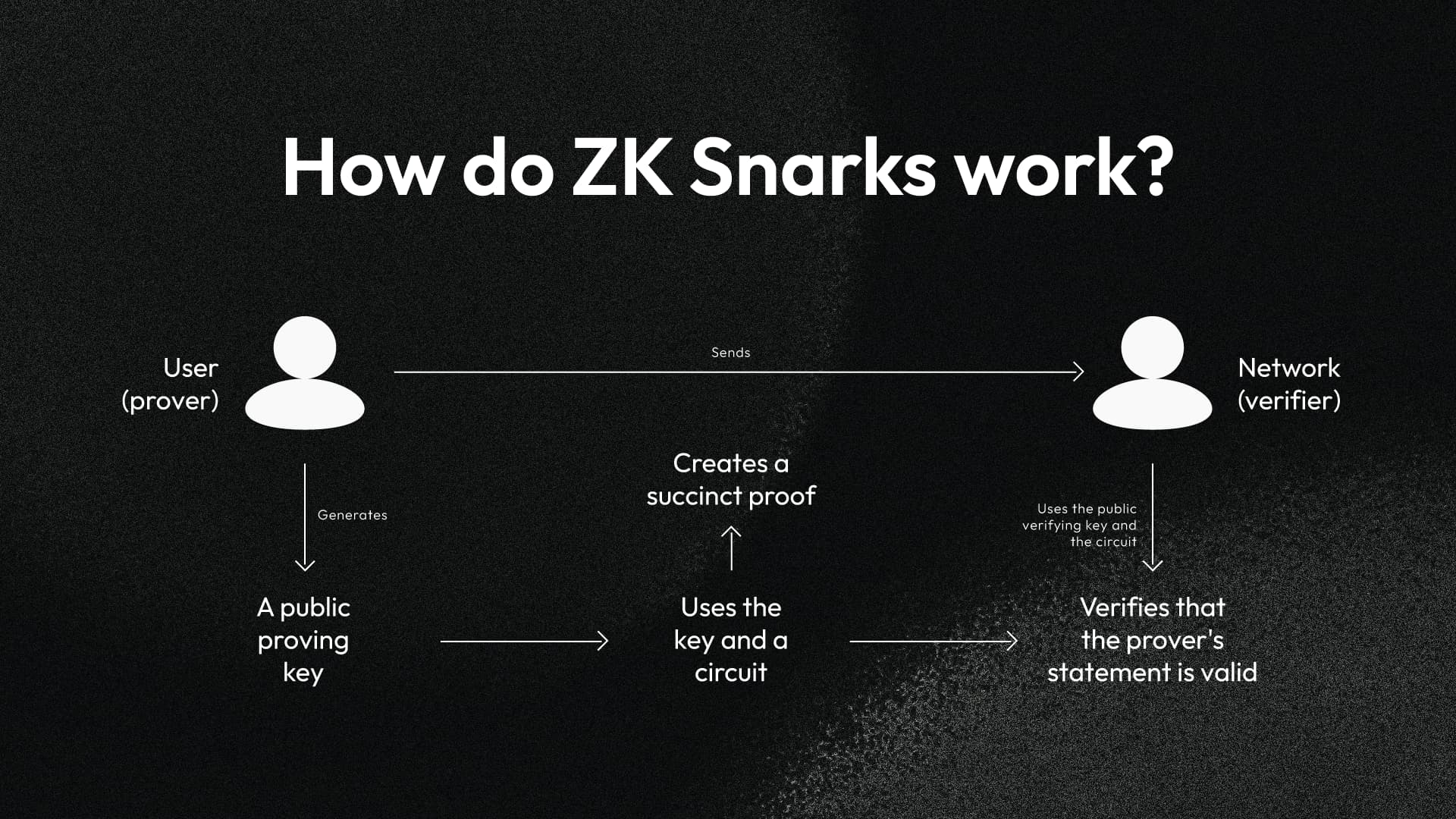
The maturity of the SDK and compiler determines how quickly you can build. Languages like Rust, Python, and Cairo have varying levels of support for different zk frameworks. Ensure your team has access to comprehensive documentation and active community support. Poor tooling can turn a theoretical advantage into a practical bottleneck.
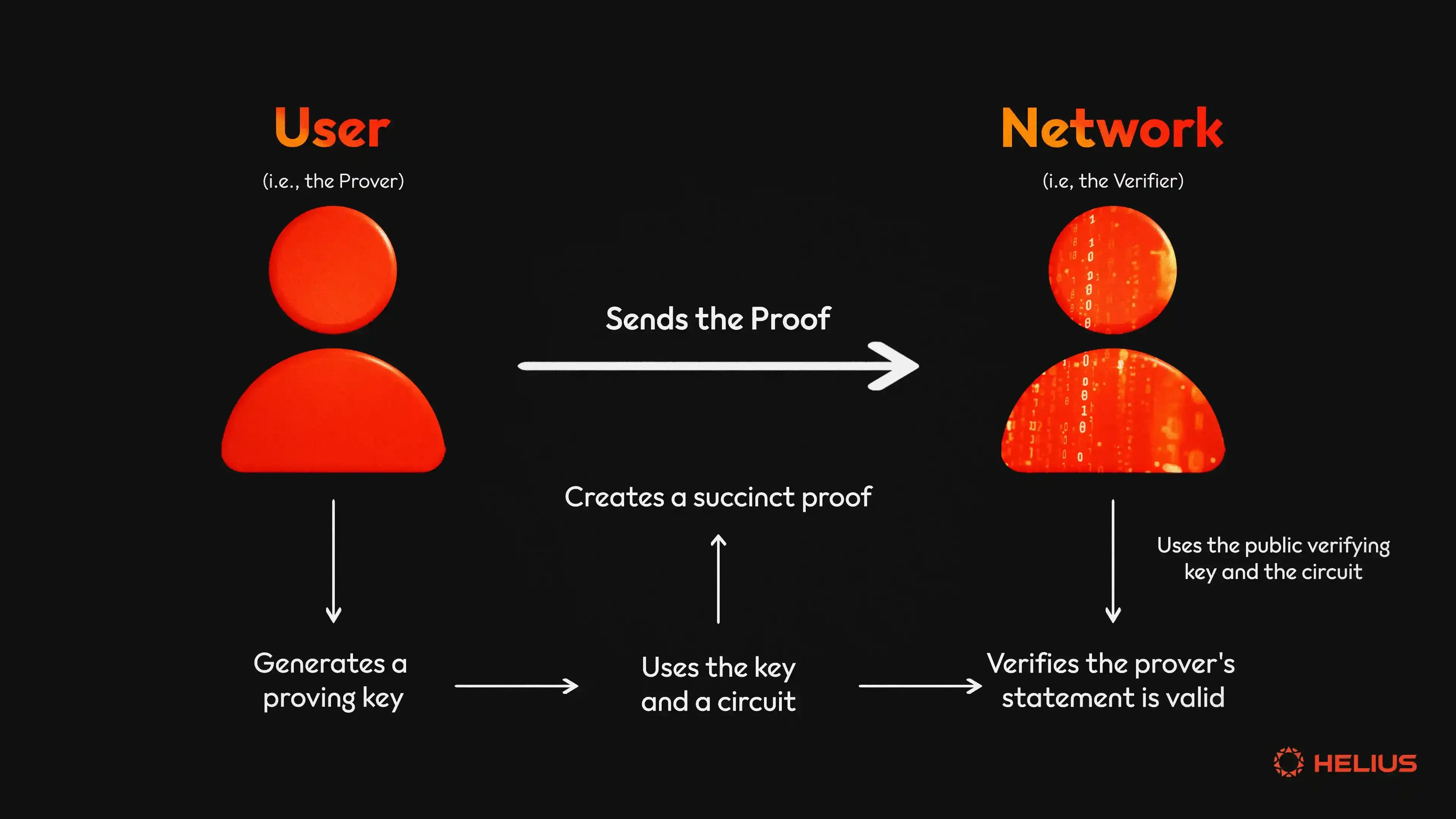
Verify that your chosen proof system integrates with your existing infrastructure. This includes checking compatibility with your target blockchain or AI model. Run small-scale tests to measure proof generation time and memory usage. Real-world performance often differs significantly from theoretical benchmarks.
The landscape is evolving rapidly. As ZKProof 8 approaches in Rome in May 2026, new standards will likely emerge, further refining these choices. Stay updated on protocol upgrades and security audits to ensure your implementation remains secure and efficient.
Spotting Weak Zero-Knowledge Claims
Zero-knowledge proofs (ZKPs) are moving from academic theory to production infrastructure, but the market is flooded with projects that overpromise. As ZKProof 8 prepares for Rome in May 2026, the focus shifts from theoretical elegance to verifiable performance. Many AI-privacy startups use the "zero-knowledge" label without offering open-source circuits or independent audits. This section identifies the specific red flags that separate genuine cryptographic infrastructure from marketing noise.
The Proof of Work Gap
Legitimate ZK implementations require heavy computational overhead. If a project claims sub-second proof generation for complex AI model verification without specifying the proving system (e.g., STARKs vs. SNARKs), it is likely using a simplified or non-cryptographic method. Look for published benchmarks from independent labs like the ZKProof community. Without transparent, reproducible benchmarks, the privacy claims are unverifiable.
Closed-Source "Black Boxes"
A true zero-knowledge proof allows anyone to verify the result without seeing the data. If the verification code is proprietary, you are trusting a vendor, not cryptography. In the AI context, this means the model weights or training data remain hidden, but the proof mechanism itself must be open. Projects that refuse to publish their proving circuits or verification keys fail the basic trust test.
Regulatory and Legal Blind Spots
ZKPs promise privacy, but they do not automatically guarantee legal compliance. Data protection laws like GDPR include a "right to be forgotten," which conflicts with immutable blockchain ledgers. Vendors claiming their solution is "fully compliant" without detailing how they handle data deletion or key management are misleading users. Always check if the architecture supports zero-knowledge deletion or if it merely obscures data while retaining it on-chain.
Verification Cost vs. Benefit
Generating ZK proofs is expensive. Many projects ignore the cost of verification, which falls on the user or the network. If the verification cost exceeds the value of the privacy provided, the solution is economically unsustainable. Compare the gas costs or computational load of the verification step against the sensitivity of the data. If the data is not highly sensitive, the ZK overhead is often unnecessary complexity.
Zk proofs 2026: what to check next
Zero-knowledge technology has moved from theoretical cryptography to practical infrastructure. As proving costs collapse and standards mature, understanding the basics helps separate genuine privacy tools from marketing noise.
No comments yet. Be the first to share your thoughts!