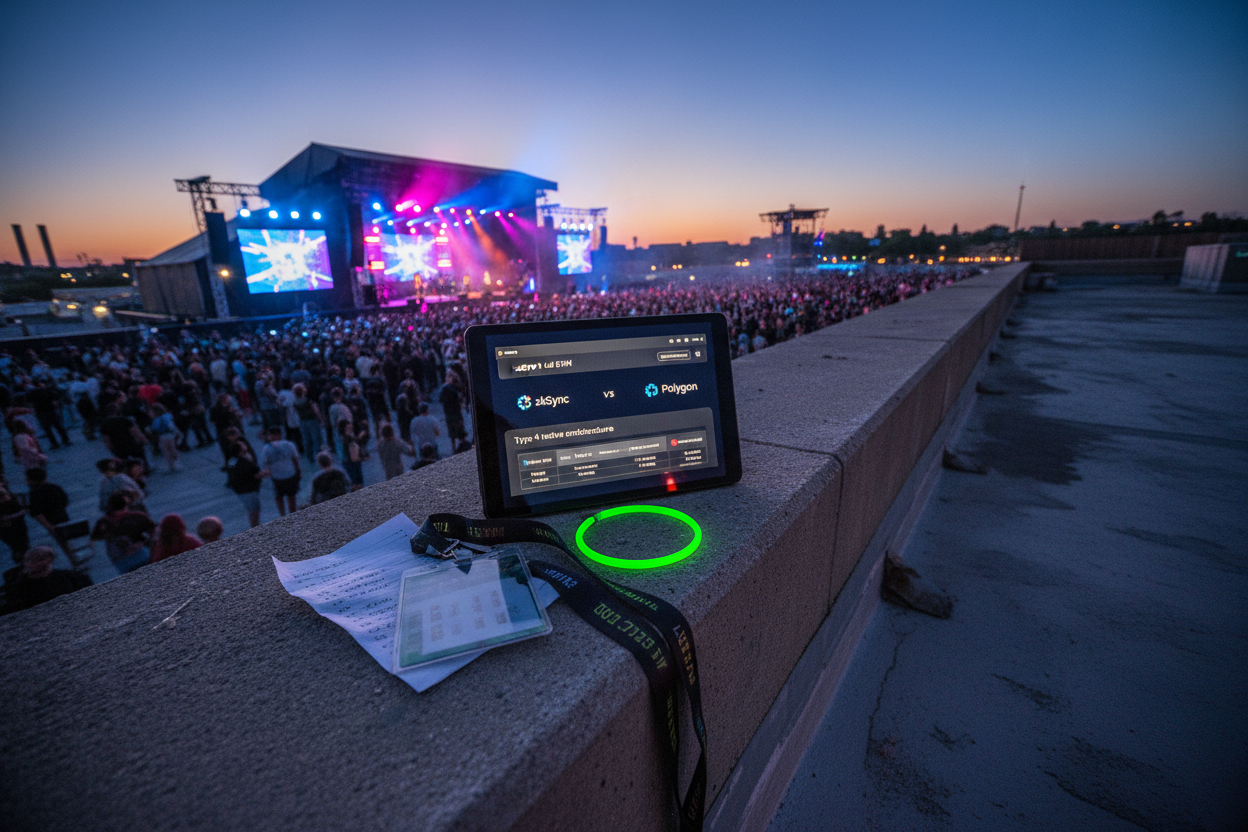


As Ethereum trades at $2,353.06 amid a 1.79% 24-hour gain, its Layer-2 ecosystem stands at a pivotal juncture in 2026. ZK rollups vs optimistic rollups defines the scaling debate, with optimistic solutions dominating TVL yet ZK variants closing the gap through superior finality and efficiency. Investors and developers must grasp these distinctions to position for Ethereum’s next growth phase.
Layer-2 rollups batch transactions off-chain and settle on Ethereum’s base layer, slashing fees while preserving security. Optimistic rollups, led by Arbitrum’s $18 billion TVL and Optimism’s $9.5 billion, command over 60% market share. They assume validity, posting optimistic state roots to Layer-1, with a seven-day challenge window for fraud detection. This approach enabled rapid adoption, powering DeFi hubs and consumer apps.
Optimistic Rollups’ Maturity Fuels Dominance
Arbitrum and Optimism thrive on EVM compatibility, drawing billions in liquidity. Their optimistic vs zk rollups differences shine in developer accessibility; no need for specialized proofs means faster deployments. Yet, the challenge period ties up capital, a drag for high-frequency trading or lending protocols. In 2026, enhancements like preconfirms mitigate delays, but withdrawals still lag.
OP Stack’s modularity, seen in Base, extends reach to social apps. Throughput hits thousands of TPS, fees under $0.01 during lulls. Still, reliance on watchtowers for disputes introduces centralization risks, though multisig committees have proven resilient.
ZK Rollups Forge Ahead with Cryptographic Rigor
ZK rollups like zkSync Era and StarkNet aggregate $4 billion in TVL, leveraging validity proofs for instant finality. No waiting periods; withdrawals settle in minutes, unlocking capital efficiency. zkEVMs now rival optimistic EVMs in compatibility, easing migrations per Vitalik Buterin’s recent endorsement.
These systems compress state changes into succinct proofs, slashing calldata costs. Data efficiency edges out optimistic batches, vital as Ethereum’s blob space tightens post-Dencun. Privacy bonuses emerge in selective disclosure, appealing for institutional on-ramps.
Ethereum (ETH) Price Prediction 2027-2032: ZK Rollups Dominance Scenario
Price forecasts based on ZK Rollup scaling leadership, enhanced zkEVM adoption, and Ethereum ecosystem growth as of early 2026 (baseline: $2,353)
| Year | Minimum Price (USD) | Average Price (USD) | Maximum Price (USD) | Avg YoY % Change |
|---|---|---|---|---|
| 2027 | $2,200 | $4,000 | $6,500 | +70% |
| 2028 | $3,500 | $7,000 | $12,000 | +75% |
| 2029 | $5,000 | $11,000 | $18,000 | +57% |
| 2030 | $7,500 | $16,000 | $25,000 | +45% |
| 2031 | $10,000 | $22,000 | $35,000 | +38% |
| 2032 | $13,000 | $30,000 | $45,000 | +36% |
Price Prediction Summary
Under ZK Rollups dominance, Ethereum is forecasted for strong growth driven by instant finality, security proofs, and zkEVM maturity, boosting adoption. Base case sees average prices rising from $4,000 in 2027 to $30,000 by 2032, with min/max reflecting bearish (regulatory hurdles, market corrections) and bullish (institutional inflows, DeFi explosion) scenarios amid 4-year cycles.
Key Factors Affecting Ethereum Price
- ZK Rollups’ superior withdrawal speed (minutes vs. 7-day delay) and data efficiency driving TVL growth beyond $4B in zkSync/StarkNet
- zkEVM maturation enabling seamless dApp migration and developer adoption
- Vitalik Buterin’s endorsement of native rollups accelerating ecosystem shift
- Market cycles with potential 2028 bull run post-Bitcoin halving influences
- Regulatory clarity favoring scalable L1s like Ethereum
- Competition dynamics where ZK outperforms Optimistic in high-throughput use cases
- Macro factors: institutional adoption targeting $2T+ ETH market cap by 2032
Disclaimer: Cryptocurrency price predictions are speculative and based on current market analysis.
Actual prices may vary significantly due to market volatility, regulatory changes, and other factors.
Always do your own research before making investment decisions.
Unpacking Validity vs Fraud Proofs
Core to zk rollups ethereum scaling is the proof paradigm. ZK generates a cryptographic attestation of correct execution, verifiable in seconds on Layer-1. Optimistic posts data optimistically, shifting burden to challengers. This inverts incentives: ZK demands prover compute upfront, optimistic risks post-facto disputes.
In practice, ZK’s determinism suits regulated finance; no game-theoretic assumptions. Compute intensity once hampered ZK, but 2026 hardware leaps and recursive proofs flip the script. StarkWare’s notes on scalability-security tradeoffs underscore ZK’s edge in high-value txns: optimistic vs zk rollups analysis.
Throughput parity emerges, with zkSync pushing 2,000 TPS. Fees trend lower at scale, per Altius Labs data, as compression outpaces optimistic calldata bloat. Yet, prover centralization lingers, though decentralized networks like Lagrange mitigate this strategically.
For ethereum l2 zk vs optimistic 2026, ZK’s zk rollups finality advantages position it for dominance in capital markets, while optimistic retains gaming and social dApps. Strategic allocation favors hybrids, blending both for portfolio resilience.
Blending rollups demands a clear-eyed assessment of metrics that matter most. Capital efficiency hinges on finality; ZK’s minutes-long withdrawals versus optimistic’s week-long holds compound returns in DeFi yield farming, where every hour counts. Developers weigh proof generation latency against dispute resolution uptime, with ZK’s upfront compute yielding predictability.
Key Differences: Optimistic Rollups vs ZK Rollups (2026)
| Metric | Optimistic Rollups (Arbitrum/Optimism) | ZK Rollups (zkSync/StarkNet) |
|---|---|---|
| TVL ($B) | $27.5B+ (Arbitrum: >$18B, Optimism: $9.5B) | $4B+ |
| TPS | 2,000+ | 3,000+ |
| Finality Time | Up to 7 days | Minutes ⚡ |
| Avg Fee | ~$0.05 | ~$0.02 |
| EVM Compatibility | Full ✅ | High (zkEVMs) ✅ |
| Data Efficiency | Good | Superior ✅ |
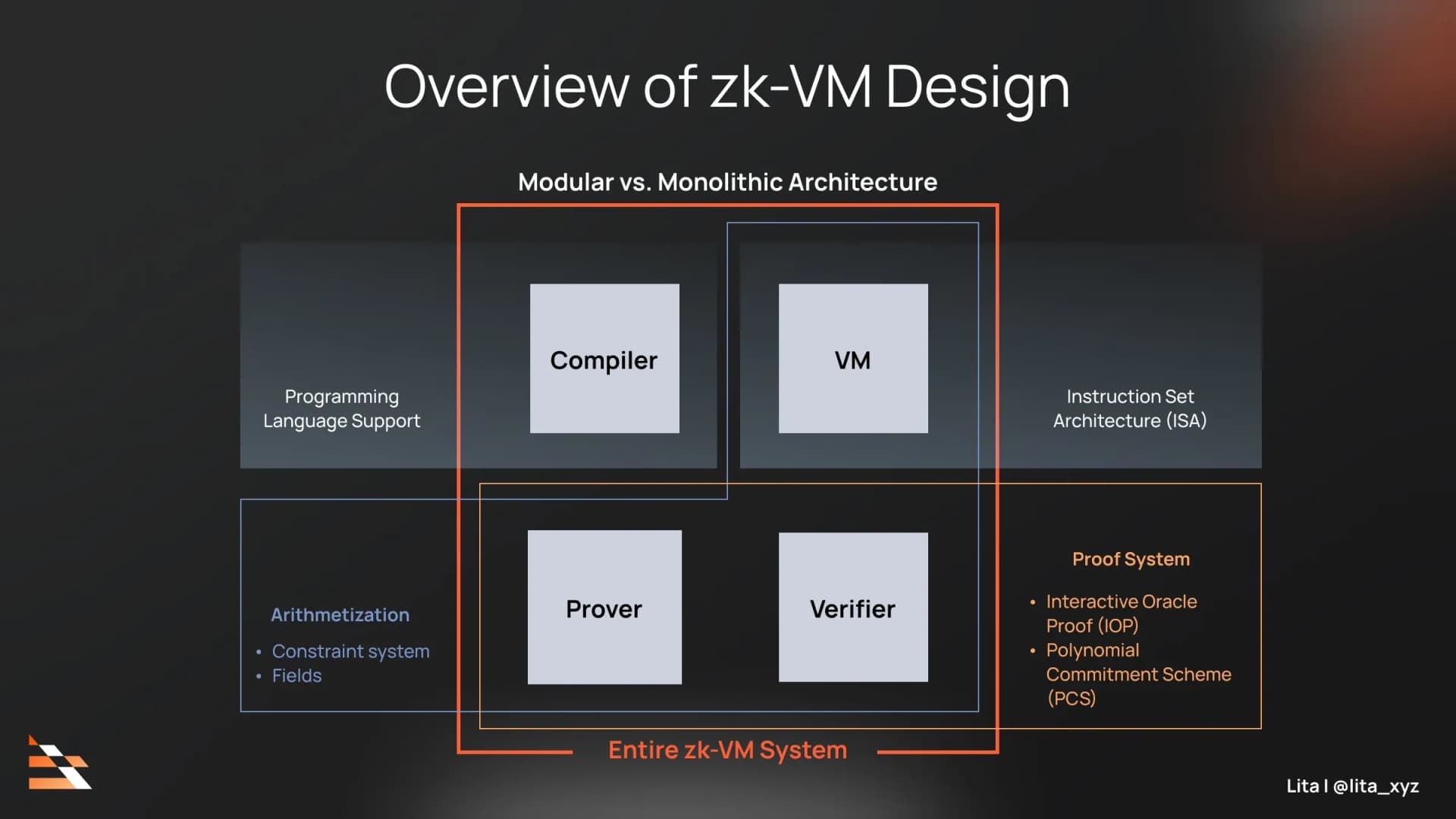
Performance tables reveal ZK rollups edging ahead in efficiency. zkSync Era logs fees under $0.005 at peak loads, compressing batches tighter than optimistic calldata posts. StarkNet’s Cairo VM optimizes for proofs, hitting sub-second verifiability on Ethereum at $2,353.06. Optimistic leaders counter with raw throughput; Arbitrum’s Orbit chains scale to 10,000 TPS in tests, but real-world bottlenecks emerge during volatility spikes.
Use Cases That Tip the Scales
Gaming favors optimistic rollups’ low-latency preconfirms, enabling seamless NFT mints and in-game economies without proof overhead. Titles on Immutable X thrive here, sidestepping ZK’s prover queues. Conversely, zk rollups ethereum scaling excels in payments and RWAs; Scroll’s zkEVM processes cross-chain settlements instantly, vital for tokenized treasuries where delays erode alpha.
Institutional flows lean ZK. Privacy-preserving proofs shield order books, aligning with MiCA regulations. Optimism’s Superchain interconnects ecosystems like Base for socialFi, but ZK’s determinism suits high-stakes CEX off-ramps. Hybrid models emerge: Polygon 2.0 stacks ZK proofs atop AggLayer, marrying optimistic speed with validity guarantees. For developers, the choice boils down to risk tolerance; optimistic deploys today, ZK secures tomorrow. ZK rollups finality mechanics.
Risks temper enthusiasm. Optimistic rollups face sequencer liveness failures, mitigated by permissionless alternatives, yet censorship vectors persist. ZK contends with prover monopolies; SP1’s Rust zkVM decentralizes this, but hardware demands lag. Ethereum’s Dencun blobs eased both, dropping L2 fees 90%, yet blob contention looms as TVL swells past $40 billion combined.
Navigating Challenges in 2026
Decentralized provers and shared sequencers address ZK bottlenecks, with RISC Zero pioneering open networks. Optimistic fault proofs mature via Espresso’s systems, slashing challenge times. Vitalik’s nod to native rollups signals convergence; zkEVMs now boot Ethereum apps unmodified, per recent audits. Data availability sampling further compresses costs, positioning ZK for 100k TPS visions. ZK cost optimization breakdown.
Investor calculus favors diversification. Allocate 60% to optimistic TVL anchors like ARB, 40% to ZK growth bets such as ZK tokens. Watch crossovers: Taiko’s based rollups fuse ZK security with optimistic UX. As Ethereum at $2,353.06 absorbs L2 activity, rollup wars catalyze base layer demand, rewarding patient conviction.
Forward thinkers bridge paradigms. AggLayer and native rollups herald unified liquidity, where ZK proofs underpin optimistic highways. This synthesis unlocks Ethereum’s trilemma resolution, scaling to billions without compromise. Position accordingly; the scaling race rewards the prepared.
About the Author